
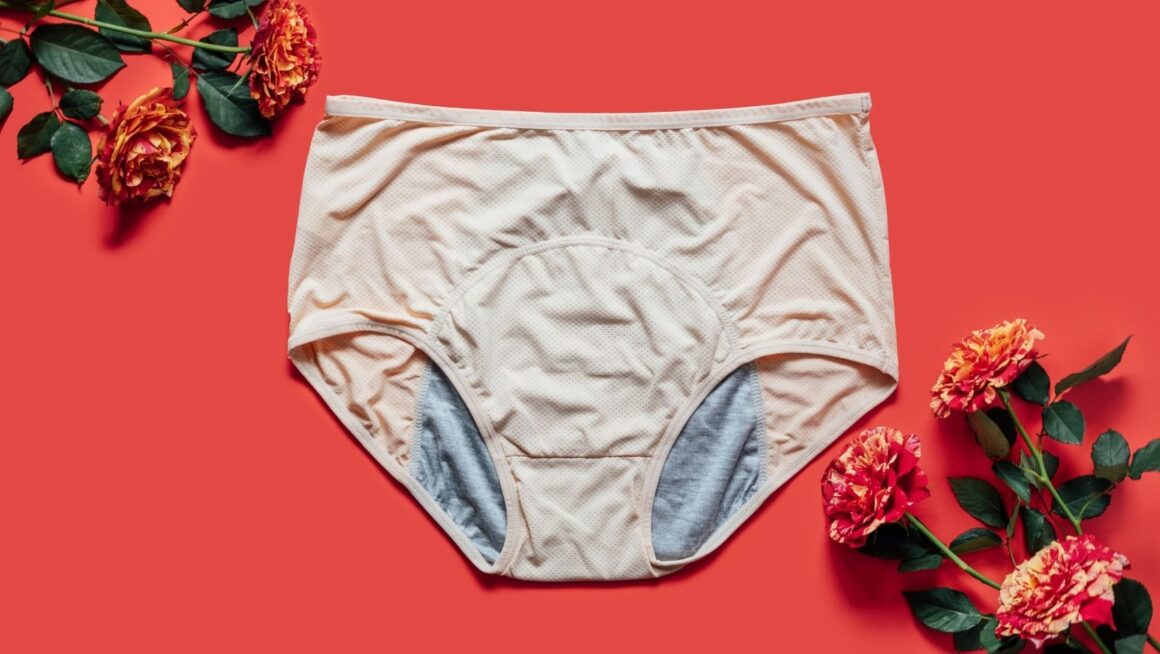
Period underwear has moved from niche innovation to a mainstream staple because it delivers reliable leak protection without the bulk of traditional products. For professionals who value efficiency—whether running an ecommerce brand, advising clients on product pages, or optimizing affiliate content—underwear for periods is a category worth understanding in depth. This article explains the technology behind period underwear, how to choose the right pair for different bodies and flow levels, best use cases, care and cost considerations, safety concerns, and practical ways to test leakproof performance before committing to inventory or partnerships.
How Period Underwear Works: Layers, Gussets, and Absorbency Levels
Period underwear combines discreet design with engineered textiles to replace or supplement pads and tampons. At its simplest, a menstrual underwear garment uses multiple functional layers sewn into the crotch (the gusset) and sometimes extending slightly front and back.
The top layer: a soft, moisture-wicking fabric sits against the skin. It moves fluid quickly away from the body so the wearer feels dry. Breathable blends, often a polyester or nylon knit with a hydrophilic finish, are common.
The middle layer(s): these are the absorbent core. Brands use microfiber, cotton blends, or engineered polymer blends that trap menstrual fluid. The thickness and composition determine absorbency levels, more layers or denser materials equal higher capacity.
The bottom layer: a leak-resistant or waterproof membrane prevents seepage onto outer clothing. Commonly made from polyurethane laminate (PUL), this thin barrier keeps fluids contained without significant noise or stiffness.
Gusset construction: the gusset geometry matters. A well-designed gusset is wider toward the back to account for flow redistribution while sitting or sleeping. Some high-capacity models add a central channel to guide fluid into absorbent zones and reduce pooling at seams.
Absorbency tuning: manufacturers blend layer count, fiber type, and gusset length to produce light, moderate, heavy, and overnight options. Absorbency is usually stated in milliliters (mL) or as a tampon equivalence (for example, 1–2 tampons’ worth). Clear labeling and real-world capacity claims help buyers and affiliates create accurate product descriptions.
For ecommerce professionals and affiliate marketers, emphasizing the functional language, layers, gusset, mL capacity, and equivalent tampon rating, improves clarity and reduces returns. Technical descriptions paired with lifestyle benefits (comfort, odor control, sustainability) make product pages convert better.
Choosing The Right Pair For Your Body And Flow
Selecting the best period underwear requires attention to fit, absorbency, and fabric. These three factors determine comfort, performance, and customer satisfaction, key metrics for any seller or affiliate promoting products.
Fit And Style: Finding The Right Cut
Fit matters more than many realize. Period underwear should feel like regular underwear: snug but not constricting. Common cuts include briefs, hipsters, bikinis, high-waist, and boyshorts. High-waist and full-coverage briefs often offer more absorbent real estate and are preferred for overnight use or postpartum recovery, while bikinis and hipsters suit lighter flows and active days.
Sizing guidance must be precise. Recommend measuring the hip and waist and cross-referencing the brand’s size chart. Note that absorbent fabric can feel firmer than standard underwear: users may need to size up for comfort, especially with higher-absorbency models.
Absorbency Levels Explained: Light To Overnight
Brands typically label absorbency in tiers: light, moderate, heavy, and overnight. A practical way to explain it on product pages is to relate each tier to everyday scenarios: light for spotting or backup protection with a tampon, moderate for regular workdays, heavy for the heaviest days, and overnight for uninterrupted sleep.
Quantify where possible. Many high-quality pairs hold between 10–30 mL: overnight models can approach or exceed 40 mL. Clear comparisons, “equivalent to X tampons”, help consumers make choices quickly.
Materials And Breathability: What To Look For
Breathability reduces discomfort and yeast risk. Look for fabrics that balance moisture-wicking with airflow, cotton blends with engineered cores or specialized synthetic knits are common. The waterproof layer should be thin and flexible so the overall garment breathes while still stopping leaks.
For product listings, highlight specific material benefits: cooling, odor-control, antimicrobial finishes, or OEKO-TEX/PFOA-free claims. These details build trust and reduce pre-purchase hesitation.
When To Wear Period Underwear: Use Cases And Best Practices
Period underwear adapts to many lifecycle moments. Understanding realistic use cases helps marketers position each product accurately and helps retailers recommend the right assortment to customers.
Overnight, Heavy Flow, And Postpartum Use
Overnight protection is one of the most searched-for benefits. Overnight styles with extended gussets and higher absorbency reduce changings and anxiety during sleep. For heavy flow days, pairing period underwear with a backup tampon or menstrual cup is sometimes recommended for peace of mind, though high-capacity pairs alone may suffice.
Postpartum users often need maximum protection for discharge and bleeding: high-waist, higher-absorbency underwear designed for postpartum is ideal. Messaging should be empathetic and clear, postpartum bodies change rapidly, so offering size-flexibility and exchange-friendly policies increases conversions.
Active Days, Travel, And Light Protection Between Cycles
On active days, workouts, busy client meetings, or travel, low-to-moderate absorbency styles that wick and stay in place are most useful. Travel benefits include reduced need to pack multiple disposables and the comfort of a single reliable pair for long flights. Light protection between cycles (spotting) is another frequent use case and makes for a strong cross-sell in subscription bundles.
Care, Durability, And Cost: Getting The Most Value
Durability and cost-per-wear are central to the value proposition of period underwear. Educating buyers on care routines and lifespan helps set expectations and reduces returns.
Washing, Drying, And Storage Tips To Maintain Performance
Most manufacturers recommend rinsing garments in cold water immediately after use, then machine-washing cold on a gentle cycle without fabric softener (which can reduce absorbency). Use mild detergent: enzyme-free formulas avoid degrading technical layers. Air-drying is preferred to preserve elasticity and waterproof membranes: some brands allow low-heat tumble drying but list it explicitly.
Store clean, dry underwear flat or folded to avoid creasing the gusset. For ecommerce product copy, include a concise care guide and an infographic, these reduce post-purchase confusion and support customer service teams.
Lifespan, Cost Per Wear, And How Many Pairs You Need
High-quality period underwear typically lasts 1–3 years with proper care. Estimating conservative use, say, 40–60 wears per pair, lets sellers calculate cost-per-wear. For example, a $30 pair used 60 times has a $0.50 cost-per-wear, which compares favorably with disposables over time.
How many pairs should one buy? Recommendations depend on cycle length and laundry habits. A practical starting point is 3–6 pairs for regular users (rotating and washing every few days) and 6–10 for those who prefer less frequent laundry or have heavy flows. Bundles and subscription models make recurring purchases effortless and improve customer lifetime value for sellers.
Safety, Chemicals, And Skin Health Considerations
Safety and skin health are common buyer concerns. Transparency about materials and certifications reduces hesitancy and supports compliance for retailers.
PFAS, Allergens, And Certifications To Watch For
Per- and polyfluoroalkyl substances (PFAS) are sometimes used for stain resistance: customers increasingly demand PFAS-free products. Brands should disclose whether they test for PFAS and, if so, provide third-party lab results or certifications.
Allergens like latex or certain dyes can cause irritation. Clear labeling, materials list, dye information, and hypoallergenic claims, helps users make informed choices. Certifications to highlight include OEKO-TEX, GOTS (for organic fibers), and independent microbial/fluoride testing when available.
For SEO-focused product pages, adding a “safety and testing” section with downloadable certificates builds credibility and reduces support inquiries.
How To Test Leakproof Performance Before You Commit
For consumers and merchants alike, simple pre-purchase or trial checks cut risk and encourage conversion.
At-Home Fit And Absorbency Checks, Return Policies, And Trial Tips
At-home checks: suggest a quick ritual, wear the pair around the house for a few hours on a lighter day to assess fit and comfort. For absorbency testing, manufacturers or affiliates can recommend using a measured volume of water (e.g., 10–20 mL) in a controlled spot test to observe distribution and leak resistance. Note: water behaves differently than menstrual fluid, but the test reveals major design flaws.
Return and trial policies: merchants should offer generous, hygienic-forward trial policies (e.g., exchanges or store credit instead of returns for worn underwear) and clear size-exchange procedures. Trial bundles or sample packs that mix absorbency levels help users find the right fit with lower upfront cost.
For affiliate content and product pages, include a short checklist: “measure hips, read absorbency mL, test at home, check materials and certifications, review care instructions.” This practical list reduces buyer friction and improves trust.
Conclusion
Period underwear offers a compelling blend of comfort, sustainability, and leak protection when chosen and cared for correctly. For ecommerce entrepreneurs, affiliates, and agencies, presenting technical details, layers, ML absorbency, gusset design, alongside clear use-case guidance and care instructions reduces returns and boosts conversion. Highlighting safety certifications and transparent testing builds trust, while thoughtfully designed trial options and bundle recommendations increase average order value. As demand grows, merchants who educate buyers and make selection simple will likely see stronger retention and higher lifetime revenue from this category.