
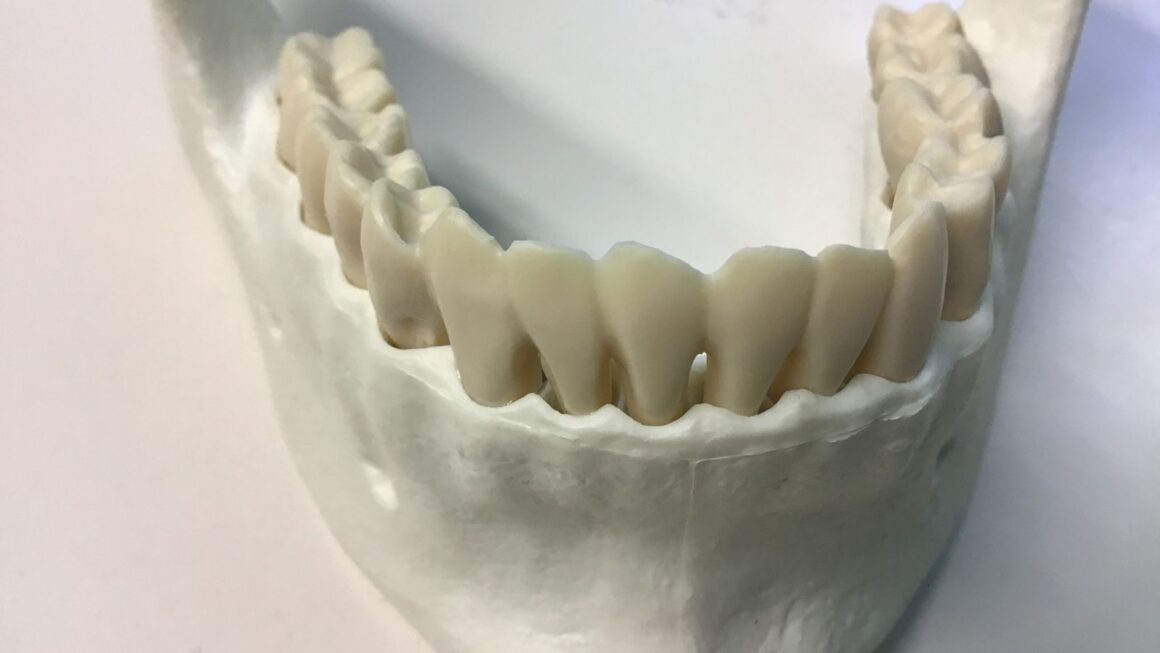
When a tooth is lost, the jaw bone beneath it stops receiving the stimulation it needs and gradually shrinks through a process called resorption. This shrinkage changes your bite, weakens support for nearby teeth, and can alter your facial shape — creating a sunken look, more pronounced wrinkles, and a shorter lower face over time. Speaking with a dentist in Sparta, WI early can help you understand your options before these changes progress.
You’ll learn why the bone needs tooth roots to stay strong, how missing teeth can shift your jawline and facial balance, and what options exist to prevent or restore bone loss — from implants to grafting. Keep reading to understand how timely action can preserve both your oral function and your appearance.
Understanding Jaw Bone Shrinkage After Tooth Loss
Missing a tooth removes the normal mechanical stimulation the bone receives, and that triggers predictable changes in bone volume, shape, and density. You’ll learn why bone cells stop rebuilding without chewing forces, how quickly shrinkage can occur, and which personal factors speed or slow the process.
Biological Reasons for Bone Loss
Your jawbone maintains itself through mechanical loading: forces from chewing stimulate bone-forming cells (osteoblasts) and balance bone-resorbing cells (osteoclasts). When a tooth is lost, that localized load disappears. Osteoclast activity then outpaces osteoblast activity, so the alveolar ridge (the bone that held the tooth) undergoes resorption.
Blood supply and periodontal ligament signaling also change after extraction. The periodontal ligament normally provides biochemical signals that help preserve bone; without it, those signals diminish. Over months, the ridge narrows and often becomes shorter vertically, not just thinner side-to-side.
Timeline of Jaw Bone Deterioration
Bone changes begin quickly. Within weeks to months after extraction, you can expect measurable loss of ridge width and some vertical height reduction. The most rapid loss typically happens in the first 3–6 months.
After the first year, the rate of shrinkage slows but continues at a lower pace for years. Significant long-term changes—such as facial profile alteration or collapse of the bite in an area—are commonly visible within 1–5 years if no replacement or grafting occurs. Early intervention can preserve options for implants and keep future restorative complexity lower.
Factors That Influence the Rate of Shrinkage
Several variables change how fast and how much bone you lose:
- Local factors: location of the missing tooth (front teeth often show more vertical loss), size of the extraction socket, and existing periodontal disease.
- Systemic factors: age, osteoporosis or low bone density, hormonal status (postmenopausal women are at higher risk), smoking, and chronic conditions like diabetes.
- Treatment-related factors: whether you receive an immediate implant, socket preservation graft, or leave the site to heal naturally.
You can use this checklist to gauge risk and options:
- High risk: posterior molar extraction + smoking + untreated gum disease.
- Moderate risk: single missing tooth, good general health, delayed implant.
- Lower risk: immediate implant placement or socket grafting after extraction.
Addressing controllable factors promptly improves the chance of preserving bone volume and simplifies future dental work.
How Missing Teeth Change Facial Appearance
Missing teeth trigger bone loss in the jaw and reduce support for nearby muscles and skin. This leads to visible changes in jawline definition, cheek fullness, and facial balance that often progress over time.
Alterations to Jawline and Cheek Structure
When a tooth is lost, the underlying alveolar bone begins to resorb because it no longer receives stimulation from the tooth root. Bone height and width shrink, which shortens the lower third of the face and can cause the jawline to recede.
You may notice the chin appears closer to the nose and the lower face looks flatter. Cheeks lose underlying support and can hollow inward, making cheekbones less prominent and changing how light and shadow fall on your face.
Dental implants replace the root’s stimulation and help preserve bone volume. Partial dentures or bridges restore some appearance but usually do not stop bone loss the way an implant does.
Signs of Facial Aging
Missing teeth accelerate features commonly associated with aging: deeper nasolabial folds, increased wrinkles around the mouth, and drooping at the corners of the lips. These occur because facial muscles and soft tissues lose structural support.
Lips may collapse inward and look thinner when teeth are absent, especially in the front. The skin over hollowed cheeks and weakened jaw areas becomes creased and less elastic over time.
These changes often appear gradually. Early replacement of missing teeth reduces the rate and severity of these aging signs.
Impact on Overall Facial Symmetry
A single missing tooth can cause neighboring teeth to tilt or shift toward the gap, altering your bite and the balance of both sides of the face. Tooth movement changes occlusion, which can create asymmetric muscle activity when you chew and speak.
Asymmetric bone resorption can make one side of the lower face lower or more collapsed than the other. That imbalance shows as uneven cheek height, crooked smile lines, or a shifted midline.
You can address asymmetry by restoring missing teeth and correcting bite alignment. Options include implants, orthodontics, and prosthetic restorations; each has different effects on bone preservation and facial balance.
Preventing and Addressing Jaw Bone Shrinkage
You can stop further bone loss and rebuild lost bone in many cases using targeted dental procedures and daily care. Timely tooth replacement, surgical grafting when needed, and consistent oral health habits work together to preserve facial structure and bite function.
Dental Implants as a Solution
Dental implants replace missing tooth roots with titanium posts that integrate with your jawbone. This mechanical stimulation—similar to a natural root—signals bone cells to maintain density, so implants prevent the progressive resorption that occurs after extraction.
You can choose a single implant, implant-supported bridge, or full-arch implant prosthesis depending on how many teeth are missing. Expect a planning phase with 3D imaging, a surgical placement appointment, and a healing period of several months for osseointegration before the final crown or denture attaches.
Risks and limitations include surgical complications, insufficient bone volume at the site, and costs. If you have chronic health issues or smoke, discuss risks with your clinician; those factors affect healing and long-term success.
Bone Grafting Procedures
Bone grafting restores volume when the jawbone has already shrunk too much to support an implant. Your dentist or oral surgeon uses autograft (your own bone), allograft (donor bone), xenograft (animal-derived), or synthetic graft materials to rebuild the ridge.
Grafting can be done at extraction time (socket preservation) or later as ridge augmentation or sinus lift for upper back teeth. Healing time ranges from 3 to 9 months depending on graft type and location; some materials integrate faster and allow earlier implant placement.
Expect preoperative imaging, possible local or general anesthesia, and follow-up visits to monitor bone fill. Understand trade-offs—autografts require a donor site but often integrate well, while synthetic options avoid a second surgical site but may take longer to remodel.
Lifestyle and Oral Care Strategies
Daily habits influence how well your jawbone and any dental work hold up. Brush twice daily with fluoride toothpaste, floss or use interdental cleaners daily, and keep regular dental checkups to catch gum disease early before it progresses to bone loss.
Quit smoking and control systemic conditions such as diabetes; both impair bone healing and accelerate resorption. Maintain a nutrient-rich diet with adequate protein, calcium, and vitamin D to support bone metabolism and recovery after grafting or implant surgery.
If you grind your teeth, ask about a nightguard to reduce mechanical stress on implants and remaining teeth. Follow your dentist’s post-op instructions closely after surgery—proper care of surgical sites dramatically improves outcomes.