
For decades, the phrase “drug test” carried an almost exclusively negative association — courtrooms, surprise workplace screenings, probation appointments, athletic suspensions. The default framing was punitive. You took a drug test because someone wanted to catch something.
That picture is shifting. Across treatment programs, recovery communities, sober living homes, family interventions, and even some primary care and pain-management clinics, drug screening is increasingly being used as a wellness tool — a low-key, predictable accountability measure that supports progress instead of policing it. Used the right way, with the right framing, it can be one of the more underrated structural supports a person rebuilding their health has access to.
Here’s how that shift is happening, what modern multi-panel testing actually looks like, and how to think about it as part of a broader health plan.
Why the Conversation Around Drug Testing Is Changing
Three things have driven the shift away from purely punitive testing.
The opioid crisis changed the medical conversation. As prescription opioid misuse, fentanyl exposure, and overdose deaths climbed, primary care clinicians, pain specialists, and behavioral health providers increasingly added urine drug screening to routine care — not to catch patients, but to make sure prescriptions were safe, that no dangerous drug interactions were happening, and that anyone who needed help got it earlier. The American Academy of Pain Medicine and similar bodies now treat screening as part of standard responsible prescribing.
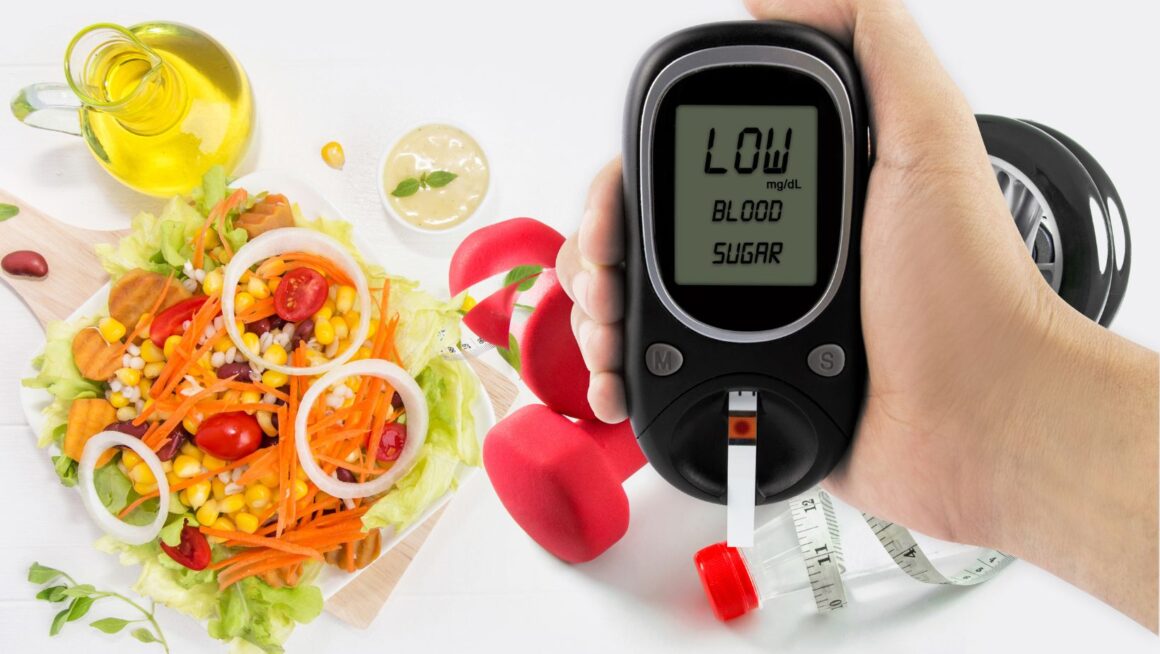
Treatment programs reframed accountability. Modern recovery models — including most evidence-based outpatient programs — treat testing as part of a feedback loop, similar to a daily blood-sugar reading for someone with diabetes. The goal is information, not gotcha. A positive result triggers a clinical conversation and a plan adjustment, not automatic penalty.
Families started using testing as a structure tool. With the right communication and informed consent, some families dealing with adolescent or adult substance issues use predictable, agreed-upon testing as a way to take pressure off the relationship. Instead of arguments and detective work, there’s a known, transparent system. It removes ambiguity and lets everyone focus on the actual recovery work.
What “Multi-Panel” Actually Means
Most over-the-counter drug tests still test for a single substance — usually marijuana, sometimes cocaine. That’s the equivalent of a thermometer that only reads one temperature. Useful, but very limited.
A multi-panel cup tests for many substances in a single sample. The most common configurations are:
- 5-panel: the classic — marijuana, cocaine, opiates, amphetamines, PCP
- 10-panel: adds barbiturates, benzodiazepines, methadone, methaqualone, propoxyphene
- 12-panel: adds substances like oxycodone, MDMA (ecstasy), buprenorphine
- 13- and 14-panel: further coverage including substances like fentanyl, tramadol, and synthetic opioids
The choice of panel matters. A program supporting someone in opioid recovery wants oxycodone, methadone, buprenorphine, and fentanyl visible. A clinic monitoring prescription benzodiazepine use wants benzodiazepines on the panel. A sober living home with a mixed population usually wants the broadest reasonable coverage to avoid gaps.
For recovery and treatment settings that need that broader picture, suppliers like 12 panel cups from 12 Panel Now offer multi-panel urine drug test cups — including 12, 13, and 14-panel configurations — used by clinics, employers, and treatment programs to screen a wide range of common substances in a single integrated device. Each cup contains multiple test strips inside one sealed unit, so a single sample provides results across all the panels at once, without separate dip cards or extra steps.
How These Cups Actually Work (No Lab Equipment Needed)
A modern multi-panel cup is a self-contained immunoassay device. It looks unassuming — a plastic cup with a peel-away label and a row of small windows on the side — but it’s a clever piece of design.
When the sample is collected, capillary action draws urine up through the test strips inside. Each strip is loaded with antibodies that bind specifically to one drug class. If the substance is present at or above the test’s cutoff threshold, it occupies those antibodies and prevents a colored line from appearing. The control line, separately, only appears if the test ran correctly. So:
- Two lines on a strip = negative.
- One line (control only) = preliminary positive.
A built-in temperature strip on the side confirms the sample is fresh (typically between 90–100°F). Most cups also have a one-way lid valve and tamper-evident seal, so the sample can’t be doctored after collection. Results are typically readable in five minutes.
It’s important to understand that these are screening tests. A preliminary positive on a cup doesn’t replace lab confirmation by gas chromatography–mass spectrometry (GC-MS) or liquid chromatography–mass spectrometry (LC-MS), which is the actual gold standard. In most clinical and treatment contexts, a positive cup result triggers a confirmatory lab test before any major decisions are made.
Where Multi-Panel Cups Show Up in Wellness and Recovery Programs
The use cases are wider than most people realize:
- Outpatient addiction treatment. Used during regular sessions to track recovery progress and inform care decisions.
- Sober living homes. Often baked into the house agreement as a transparent expectation, with clear protocols for any positive result.
- Medication-assisted treatment programs. Confirms that prescribed medications (like buprenorphine) are being taken as intended and that other substances aren’t complicating treatment.
- Pain management clinics. Part of responsible prescribing protocols for long-term opioid therapy.
- Family agreements. With informed consent and clear ground rules, used as a structure tool that takes pressure off day-to-day interactions.
- Reentry and probation programs. Predictable, scheduled testing as part of structured reintegration.
- Some employers in safety-sensitive industries. Pre-employment, post-incident, and random testing for roles where impairment is a serious safety concern.
In each setting, the frame matters as much as the test. Tests used as a punitive surprise tend to damage trust. Tests used as a transparent, agreed-upon part of a wellness or recovery plan tend to do the opposite — they reduce anxiety on both sides because everyone knows what’s happening and why.
How to Think About Testing in a Personal Health Plan
If you or someone you support is exploring whether testing makes sense as part of a recovery or wellness plan, a few principles help:
Make it transparent. Testing should be agreed upon in advance, not sprung as a surprise. Everyone involved should know who reviews the results, what happens with a positive result, and how the results fit into the broader plan.
Pair it with real support. A test on its own does nothing. Pair it with therapy, medication-assisted treatment when appropriate, peer support, and the lifestyle strategies — nutrition, exercise, sleep, mindfulness, social connection — that the rest of a recovery plan depends on.
Match the panel to the context. Don’t over-test for irrelevant substances; don’t under-test in a way that leaves big blind spots. A clinician or program coordinator can help match the panel to the actual situation.
Remember it’s screening, not diagnosis. A preliminary positive isn’t a final answer. Confirmatory lab testing exists for a reason. Don’t make major decisions based on a single screen.
Treat it as data, not a verdict. The most useful framing — and the one most modern programs now adopt — is that testing produces information. What you do with that information is the actual work.
The Bottom Line
The cultural script for drug testing is finally catching up with what clinicians, treatment programs, and recovery communities have known for years: when used the right way, with the right framing, screening is a wellness tool. It supports honesty, structure, and clinical decision-making. It’s not the core of recovery — that’s still the human, relational, lifestyle work that the rest of any good health article will tell you about. But it’s a useful piece of the system, especially when integrated thoughtfully into a broader plan.
That’s the quiet shift worth understanding. Drug testing isn’t just about catching something anymore. Increasingly, it’s about seeing something — clearly, predictably, and early enough to do something useful with what you see.
FAQs
How is drug testing being used as a wellness tool today?
Drug testing is increasingly used in recovery programs, clinics, and sober living environments as a form of structured support and accountability. Instead of focusing on punishment, it helps clinicians and support systems track progress and guide care decisions.
What is a multi-panel drug test cup?
A multi-panel drug test cup is a single urine testing device that can screen for multiple substances at once, such as opioids, cannabis, benzodiazepines, and stimulants. Each panel inside the cup detects a specific drug class from one sample.
How do multi-panel drug test cups work?
These cups use immunoassay technology, where urine flows through test strips containing antibodies that react with specific drugs. Results appear as visible lines within minutes, indicating whether a substance is detected above a set threshold.
Are drug test cup results final or do they need confirmation?
Multi-panel cups are screening tools, not diagnostic tests. Any preliminary positive result is typically confirmed using laboratory methods like GC-MS or LC-MS before clinical or program decisions are made.
Where are multi-panel drug tests commonly used in wellness and recovery settings?
They are used in outpatient addiction treatment, sober living homes, pain management clinics, medication-assisted treatment programs, family recovery agreements, and some employer wellness or safety-sensitive screening programs.