Summary: This article explores the science and culture behind adaptogen drinks, why they are gaining popularity as a pre-social ritual, how key ingredients like ashwagandha, lion’s mane, and rhodiola work in the body, and why more people are reaching for functional beverages instead of alcohol when they want to show up socially at their best. It also covers what to look for when choosing an adaptogen drink designed specifically for social confidence and ease.
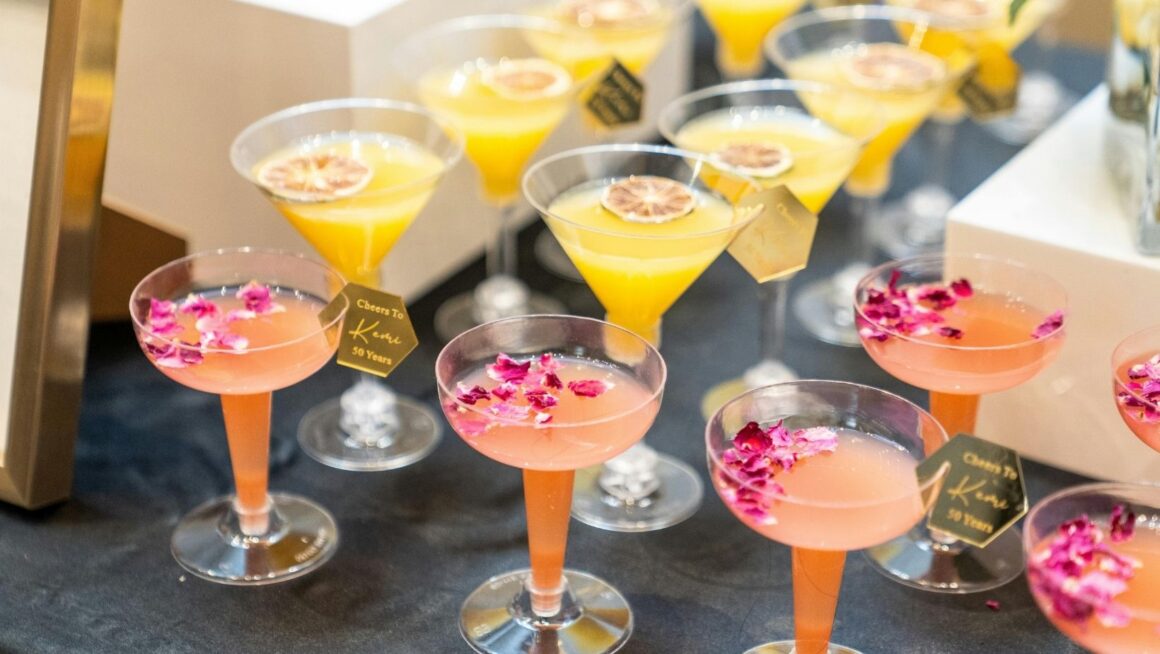
The pre-party drink used to mean one thing. A glass of wine to take the edge off, a beer to loosen up, something with enough alcohol in it to quiet the part of your brain that is already worried about small talk. That ritual is being reconsidered by a lot of people right now, and what is replacing it is more interesting than a simple swap. The adaptogen drink for socializing category is growing rapidly, driven by people who want to feel genuinely at ease in social settings without the drawbacks that come with alcohol. These are not mocktails dressed up with wellness language. They are functional beverages built around a category of plant-based compounds with a long history of use and a growing body of modern research behind them.
What Adaptogens Actually Are
The Science Behind the Term
The word adaptogen gets used loosely in wellness marketing, so it is worth being precise about what it actually means. An adaptogen is a natural substance, typically a plant, herb, or mushroom, that helps the body adapt to stress by modulating the stress response system. The term was coined in the 1940s by Soviet pharmacologist Nikolai Lazarev and later developed by researcher Israel Brekhman, who was looking for compounds that could help people perform under pressure without the side effects of stimulants.
To qualify as a true adaptogen, a substance needs to meet three basic criteria:
- It must be non-toxic at normal doses
- It must help the body resist physical, chemical, or biological stress
- It must normalize body functions regardless of whether stress is pushing them too high or too low
That last point is particularly important and often misunderstood. Adaptogens are not sedatives that simply slow everything down, and they are not stimulants that push everything up. They work more like a thermostat than a switch, helping the body find equilibrium in response to whatever stressor it is facing.
This is exactly why they are interesting in a social context. Social anxiety is a stress response. The elevated heart rate, the mental chatter, the self-consciousness, the difficulty being present in conversation, these are all manifestations of the body’s stress system activating in a situation it is reading as threatening. Adaptogens work with that system rather than overriding it.
The Key Ingredients in Social Adaptogen Drinks
What Goes Into a Functional Beverage Built for Ease
Not all adaptogens are equally relevant to social performance. The ones showing up most consistently in drinks designed for this purpose tend to be selected for their specific effects on stress, cognition, and mood.
Ashwagandha
Ashwagandha is one of the most researched adaptogens available and has been a cornerstone of Ayurvedic medicine for thousands of years. Its primary active compounds, withanolides, have been shown in multiple clinical studies to significantly reduce cortisol levels, the main stress hormone responsible for the physical and mental symptoms of anxiety.
For someone walking into a crowded room or navigating a social event that feels overwhelming, lower cortisol means a quieter nervous system. Less physical tension, less mental noise, more capacity to actually be present in conversation.
Lion’s Mane Mushroom
Lion’s mane is a functional mushroom rather than a traditional adaptogen, but it earns its place in social formulations through its effects on cognition and mood. Research suggests it stimulates the production of nerve growth factor (NGF), which supports the health and function of neurons.
In practical terms, people who use lion’s mane regularly report sharper thinking, better word retrieval, and improved mental clarity. For anyone who has ever felt their brain go slightly blank mid-conversation at a social event, that kind of cognitive support is directly relevant.
Rhodiola Rosea
Rhodiola is an adaptogen with a particularly strong track record around fatigue and stress resilience. It has been studied extensively in populations facing high-stress performance demands and consistently shows benefits for mental stamina, mood stability, and the ability to stay composed under pressure.
It is also notable for working relatively quickly compared to some other adaptogens, which makes it well suited to a pre-event drink rather than a long-term supplement protocol.
L-Theanine
While not technically an adaptogen, L-theanine is a naturally occurring amino acid found in tea leaves that appears frequently in social and calm-energy formulations for good reason. It promotes alpha brain wave activity, which is associated with relaxed alertness, the mental state most of us are trying to access when we want to be socially comfortable and engaged without being wired or foggy.
L-theanine is also well documented for taking the edge off caffeine when the two are combined, producing focused, calm energy rather than the jittery overstimulation that caffeine alone can cause.
Why People Are Using These Drinks Before Social Events Specifically
The Gap Between How We Want to Feel and How We Actually Feel
Social anxiety is extraordinarily common. Estimates suggest it affects somewhere between 12 and 15 percent of the population at a clinical level, but the number of people who experience meaningful social discomfort without meeting the clinical threshold is considerably higher. The nervousness before a networking event, the self-consciousness at a party where you do not know many people, the difficulty unwinding enough to actually enjoy yourself, these are near-universal experiences that rarely rise to the level of seeking treatment but significantly affect quality of life.
Alcohol has historically filled this gap because it works, at least in the short term. It reduces activity in the prefrontal cortex, which quiets self-monitoring and lowers inhibition. The problem is that it does this indiscriminately. Along with reduced social anxiety comes reduced judgment, reduced memory encoding, reduced motor coordination, and a chemical aftermath that affects the next day and often the next several days.
Adaptogen drinks offer a functionally different proposition. Rather than suppressing the nervous system broadly, they support its ability to regulate itself. The goal is not to feel less like yourself. It is to feel more like the version of yourself that is comfortable, present, and engaged.
The Broader Cultural Shift Driving This Trend
Sober Curiosity and the Changing Social Landscape
The growth of adaptogen drinks for socializing does not exist in isolation. It is part of a broader cultural shift around alcohol that has been building for several years and accelerated significantly in the early 2020s.
The sober curious movement, a term popularized by writer Ruby Warrington, describes a growing number of people who are not necessarily committed to full sobriety but are actively questioning their relationship with alcohol and looking for alternatives. This is not a niche demographic. Research from various market analysts shows that alcohol consumption, particularly among adults under 35, has been declining steadily, while the non-alcoholic beverage market has grown into a multi-billion dollar category.
What people in this space are looking for is not simply the absence of alcohol. They want an experience. A ritual. Something that signals that a social occasion is special and that supports the feeling of ease and connection that alcohol once provided, without the physical and emotional cost.
Functional beverages built around adaptogens are well positioned to meet that need precisely because they are not just water with a label. They are formulated to do something, and increasingly the people using them report that they do.
What to Look for in an Adaptogen Drink
Not All Functional Beverages Are Created Equal
The category has grown quickly enough that quality varies considerably. For anyone genuinely interested in whether these drinks can support a better social experience, a few things are worth evaluating before choosing a product.
Ingredient transparency. A reputable adaptogen drink will disclose not just which adaptogens are included but the specific amounts. Proprietary blends that hide dosages behind vague formulation language make it impossible to assess whether the active ingredients are present in quantities shown to be effective in research.
Clinically relevant doses. Ashwagandha studies showing cortisol reduction typically use doses in the range of 300 to 600 milligrams. A product containing 50 milligrams in a proprietary blend is using the ingredient as a label claim, not as a functional component.
Formulation logic. The best products are built around a coherent intended outcome. A drink designed specifically for social ease should have ingredients that work together toward that goal, not a scattershot collection of trending wellness ingredients.
Taste and experience. This matters more than it sounds. A functional beverage that people actually want to drink, that feels like a genuine ritual rather than a supplement choked down out of obligation, is far more likely to be used consistently and in the social contexts where it is meant to help.
How to Incorporate an Adaptogen Drink Into a Pre-Social Ritual
The timing and context of use can make a real difference in the experience. Most people find that consuming an adaptogen drink 30 to 60 minutes before a social event gives the active ingredients enough time to begin working while keeping the effects active through the early part of the event, which is often when social anxiety peaks.
Making it a deliberate ritual rather than a rushed afterthought also matters. The act of preparing and consuming something intentionally before a social occasion creates a psychological anchor, a signal to the nervous system that you are taking care of yourself and that you are ready.
Some people continue drinking an adaptogen beverage through the event itself as an alternative to alcohol, while others use it purely as a pre-event preparation and switch to water or other non-alcoholic drinks once they arrive.
Final Thoughts
The conversation around how we show up socially is changing. More people are recognizing that using alcohol to manage social discomfort comes with tradeoffs that are not always worth making, and they are looking for something better. Adaptogen drinks represent a genuinely functional alternative, one rooted in real science, real ingredients, and a real understanding of what the body needs to move from stressed to at ease.
For anyone who has ever wanted to walk into a room feeling calm, clear, and genuinely themselves, that is a meaningful thing to reach for.