
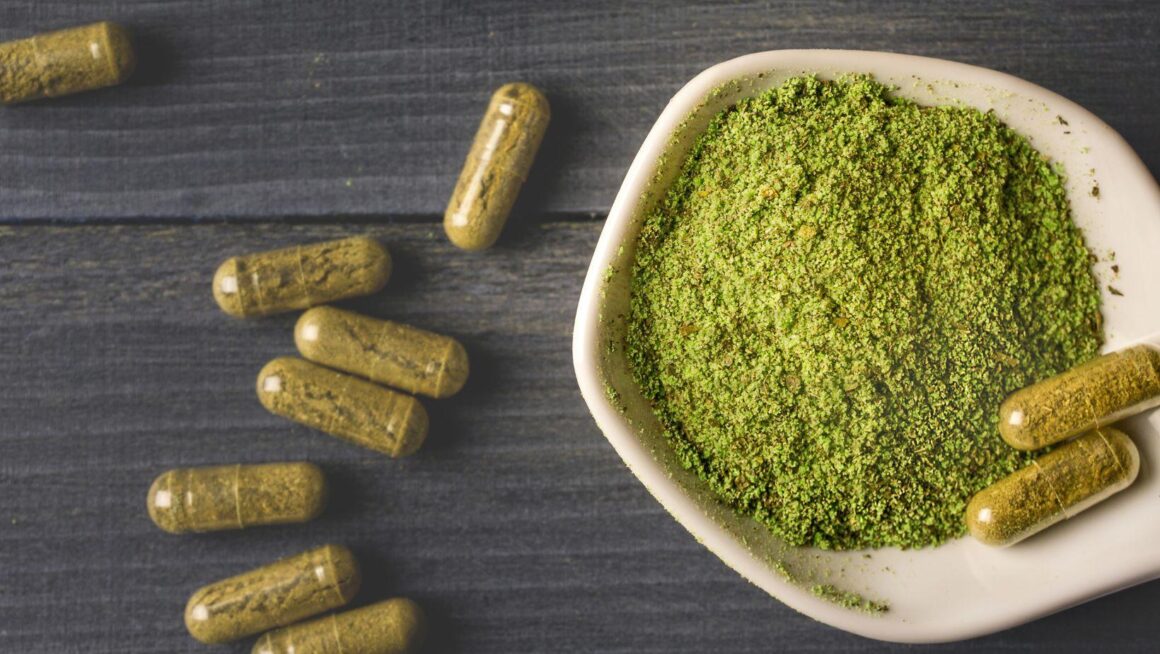
Walk into any conversation about kratom and you will quickly hear two words used almost interchangeably: "powder" and "extract." They are not the same thing, and the difference matters more than most newcomers realize. One is the plant in its simplest processed form; the other is a concentrated product designed for people who already understand how the plant affects them. Knowing how to tell them apart, and how to read what a label is really telling you, is one of the most practical skills a curious consumer can develop.
This guide walks through what separates a traditional leaf powder from an extract, how extracts are produced, and the quality and testing questions worth asking before anything lands in your cart. None of this is medical advice, and nothing here is a recommendation to use kratom; the goal is simply to help you understand a category that is often described in confusing or exaggerated terms.
Start With the Leaf: What Powder Actually Is
Kratom comes from Mitragyna speciosa, a tree in the coffee family native to Southeast Asia. Traditional kratom powder is about as simple as a botanical product gets: leaves are harvested, dried, and milled into a fine powder. Nothing is added and nothing is chemically removed. The naturally occurring alkaloids in the leaf, most notably mitragynine along with smaller amounts of compounds like 7-hydroxymitragynine, remain in roughly the same proportion they had in the living plant.
Because raw leaf powder is unconcentrated, its alkaloid content sits within a relatively narrow, naturally limited band. Most dried kratom leaf contains only a low single-digit percentage of mitragynine by weight. That ceiling is part of why powder has been the default format for generations of traditional use: it is the whole leaf, ground up, and little else.
What "Extract" Means
An extract is what you get when a manufacturer pulls the active alkaloids out of the leaf and concentrates them into a smaller volume. Instead of consuming several grams of plant material, you might consume a fraction of that weight while taking in a similar or greater quantity of alkaloids. That is the entire point of an extract: more of the compounds of interest, in less material.
This is where concentration language enters the picture. You will see products described with ratios like "10x" or "50x," or labeled with a specific alkaloid percentage. Ratios are meant to suggest how much raw leaf went into producing a given amount of finished extract, though the industry applies them inconsistently and they are not standardized. A stated alkaloid percentage, for example an extract standardized to a specific mitragynine content, tends to be more informative than a vague multiplier, because it describes the actual potency of the product in your hand rather than a marketing shorthand.
How Extracts Are Made
The basic process is straightforward in concept. Ground kratom leaf is steeped in a solvent, commonly water, ethanol, or a combination, that dissolves the alkaloids out of the plant fiber. The liquid is filtered to remove solids, then the solvent is evaporated off, leaving behind a concentrated residue. Depending on how far the process is taken and how it is finished, the result can be a thick paste, a resin, or a dry powder that is far more potent by weight than the leaf it came from.
Extracts show up in several formats. Concentrated powders and resins can be measured and blended; liquid shots deliver a premeasured amount in a small bottle; and some products are sold as enhanced powders, where an extract is mixed back into plain leaf. Each format behaves differently, which is one more reason a specific alkaloid figure is more useful than assuming all "extracts" are equivalent.
Why Testing and Sourcing Matter
Because concentration amplifies whatever is in the starting material, quality control is more important for extracts than for almost any other kratom format. Reputable vendors send their products to independent, third-party laboratories and publish the results, often called a certificate of analysis. A useful certificate confirms the alkaloid content so you know the actual potency, and it screens for contaminants such as heavy metals, salmonella, E. coli, and yeast or mold. Concentrating the leaf can concentrate contaminants too, so this testing is not a formality.
When you evaluate a seller, look for batch-level testing rather than a single generic certificate, clear labeling of alkaloid content, and transparency about where the leaf is sourced. A vendor that lists a standardized mitragynine percentage on each product and can produce lab documentation is giving you the information you need to compare products honestly. Vendors that market a specialized kratom extract lineup, for instance, will typically publish potency and purity data for each item so shoppers can see exactly what they are buying.
The Legal Picture in the United States
Kratom's legal status in the U.S. is a patchwork. At the federal level it is not a controlled substance, but it is not approved by the Food and Drug Administration for any use, and the FDA has issued warnings about it. Individual states, counties, and cities set their own rules: kratom is banned outright in a handful of states and restricted or age-gated in others, while some jurisdictions have passed Kratom Consumer Protection Acts that regulate labeling and testing rather than prohibiting sales. A few places single out concentrated or synthetic derivatives for tighter limits even where leaf is allowed. Because the map changes and varies right down to the municipal level, checking your local law before buying is essential.
Responsible Use and a Word on Potency
The most important takeaway about extracts is simple: they are more concentrated than leaf powder and are generally aimed at experienced users who already understand how the plant affects them. A dose measured for plain powder does not translate to an extract, and treating the two as interchangeable is the most common mistake newcomers make. People who use extracts responsibly tend to pay close attention to the labeled alkaloid content, start conservatively, and avoid combining kratom with alcohol or other substances.
It is also worth being honest about what is not fully known. Research on kratom is still developing, regulatory agencies have flagged concerns including the potential for dependence, and individual responses vary. Anyone who is pregnant, taking medication, or managing a health condition should speak with a qualified healthcare professional before considering any botanical product. This article is educational and is not a substitute for medical guidance.
The Bottom Line
Leaf powder and extract sit at two ends of the same spectrum. Powder is the whole, ground leaf with its natural, relatively low alkaloid content; an extract is a concentrated preparation that packs more of those alkaloids into far less material. Neither is inherently "better," they simply serve different purposes for different users. What matters is understanding the difference, reading labels for real potency figures rather than marketing multipliers, insisting on third-party lab testing, and knowing the law where you live. Approach the category with those habits and you will be a far more informed consumer than most.