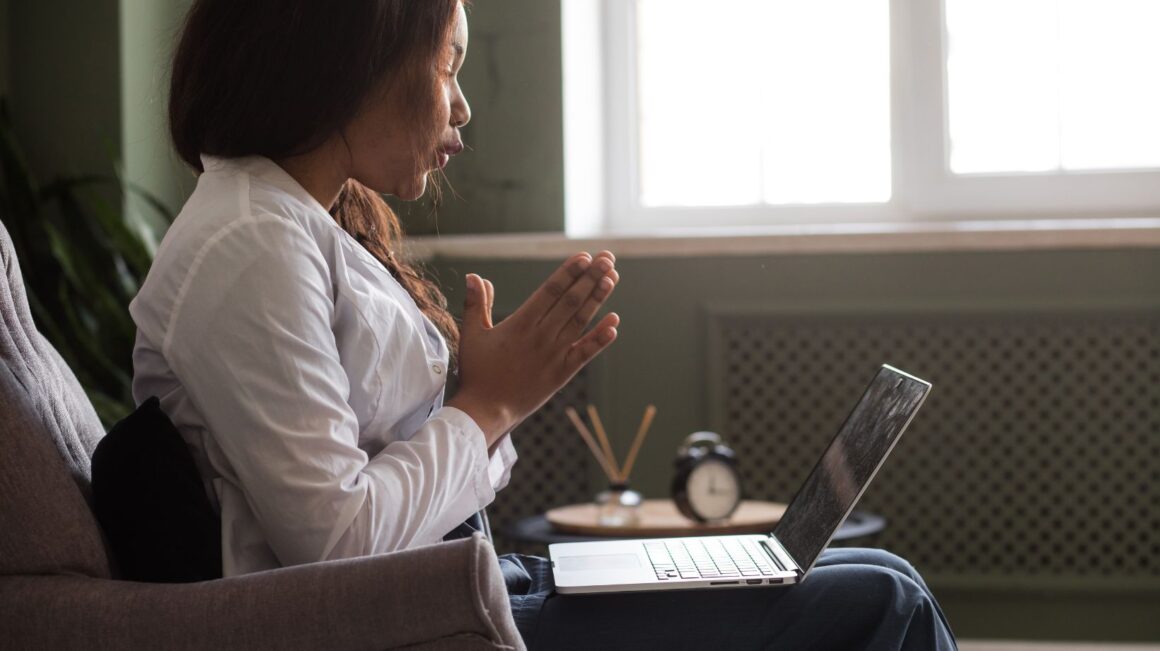
In a world where therapy has seamlessly transitioned to the online realm, creating a private and secure space at home for your sessions is more important than ever. With a few thoughtful modifications, you can ensure your therapeutic experiences are both effective and unobstructed. Explore practical solutions below for navigating potential privacy issues when your home isn’t naturally conducive to confidential therapy.
Unpacking the Privacy Puzzle in Online Therapy at Home
Why Home Privacy Matters for Effective Therapy
Privacy is the cornerstone of effective therapy, facilitating open and honest communication between you and your therapist. Without it, you might feel inhibited, affecting the depth and effectiveness of your sessions. Access to a secure and private space allows you to express thoughts freely, explore emotions safely, and engage fully in the therapeutic process. Whether it’s emotional intricacies or personal predicaments, a lack of privacy could be a significant stumbling block to meaningful progress.
Common Barriers: Thin Walls, Shared Spaces & Unexpected Guests
Privacy at home can be compromised by a variety of factors such as thin walls, shared living spaces, and unexpected interruptions. In many households, the presence of others can be a constant reality, from roommates to family members, which complicates the scenario. Ambient noise can disrupt the flow of therapy, and the anxiety of being overheard might prevent you from delving into more sensitive topics. Recognizing these barriers is the first step towards effectively addressing them.
How Interruptions Impact Your Emotional Safety
Interruptions during therapy can significantly impact your emotional safety, creating frustration and inhibiting vulnerability. When your sessions are interrupted, it can break the emotional continuity and lead to distractions that hinder self-reflection. The anxiety of an unexpected guest or a loud noise can pull your focus away, reducing the benefit of therapy. Establishing a controlled environment improves your ability to remain in the moment and engage deeply with therapeutic exercises.
Crafting a Confidential Space with Smart Home Hacks
Repurposing Everyday Items for Soundproofing
Creating a soundproof sanctuary doesn’t require high-end materials—often, everyday items can suffice. Consider rearranging soft furnishings like pillows and blankets to dampen noise or hanging heavy curtains across doors and windows. Bookshelves filled with books can also act as sound barriers, absorbing noise that might otherwise leak through the walls. Such simple adaptations can transform your space into a haven for confidential conversations.
Designing a Temporary Therapy Nook in Minutes
Designing a temporary therapy nook can be quick and effortless. Look for a quiet corner of your home, perhaps with a door or divider, and personalize it with calming elements like plants or calming scents. Use furniture strategically to create a boundary, and incorporate soft lighting to promote relaxation. This temporary space can be set up and dismantled with ease, offering a versatile solution for privacy needs.
Visual Tips: Backdrops That Boost Calm and Focus
A serene visual backdrop can enhance focus and tranquility during online therapy. Consider positioning yourself in front of a simple wall, or hang a tapestry that promotes calm. The key is to minimize visual distractions, creating a neutral background that aids concentration and comfort. This setup can embolden you to engage more deeply with your therapist, free from visual clutter and distractions.
Tech Tips for Securing Your Online Therapy Sessions
Choosing an Encrypted Platform That Puts You First
Ensure that your online therapy platform prioritizes your privacy with end-to-end encryption. Platforms that use such measures protect your data by encoding it, ensuring only you and your therapist can access the content of your sessions. Investigate the security measures of potential platforms and choose one with a reputable record for user privacy. This step is vital in safeguarding your personal information and maintaining confidentiality.
Check online therapy platform at https://thera-online.com/ and book your first appointment.
Headphones, External Mics & Other Audio Safety Gear
Investing in quality audio equipment can greatly enhance the security and clarity of your sessions. Headphones with noise-cancellation features prevent others from overhearing your therapist’s voice, while external microphones can improve the audio output, making you and your therapist’s communications crystal clear. Such tools not only protect your privacy but also enhance the overall quality and effectiveness of your sessions.
Quick Pre-Session Tech Checks for Total Confidence
To avoid technical difficulties, perform a brief tech check before each session. Ensure your internet connection is stable, your microphone and camera function correctly, and your device is charged or plugged in. These simple checks provide peace of mind and prevent technical disruptions from detracting from your therapeutic experience, allowing you to focus entirely on the session at hand.
Achieving Household Harmony: Privacy Agreements with Others
Setting Boundaries & “Do Not Disturb” Signals
Establishing clear boundaries with those you live with is essential to preserving the sanctity of your therapy time. Communicate your session schedule and request that housemates respect your privacy during these windows. Visual signals, such as a “Do Not Disturb” sign on the door, can serve as a gentle reminder of your need for undisturbed space. These strategies are key to maintaining a supportive living environment conducive to personal growth.
Negotiation Tactics for Respectful Co-Living
Use negotiation tactics to foster a respectful co-living arrangement when it comes to privacy needs. Approach conversations with empathy, expressing how uninterrupted sessions benefit your well-being, and brainstorm mutually beneficial solutions. Perhaps you adjust session times to accommodate varying schedules or agree on quiet hours. Such discussions can enhance mutual respect and understanding, forging a more harmonious domestic atmosphere.
Creating a Temporary Safe Zone Together
Collaboratively designating a temporary safe zone for therapy can reinforce household support for your privacy. Identify spaces that can function as private zones during sessions, such as a bedroom or a quiet corner. Collaborate on establishing protocols, perhaps using shared calendars to minimize conflicts. This shared effort can empower all involved, ensuring everyone’s needs are accounted for within the shared living space.
Sound and Sight Strategies to Shield Your Sessions
White Noise & Sound-Masking Techniques
White noise and sound-masking techniques can be pivotal in maintaining acoustic privacy during therapy. Devices or apps that emit gentle white noise can mask ambient sounds, offering a protective auditory buffer. Additionally, positioning fans or air purifiers can contribute to sound masking, ensuring your conversations remain confidential. These auditory strategies help maintain the integrity of your therapeutic time, despite environmental noise.
Camera Angles, Lighting & Visual Privacy Hacks
Optimizing camera angles and lighting is crucial for maintaining visual privacy during online therapy. Consider camera positioning that limits visible background details and adjust lighting to ensure your image is clear without revealing your surroundings. Using privacy screens or virtual backgrounds can add an extra layer of visual protection, fostering an environment where you feel secure and comfortable.