
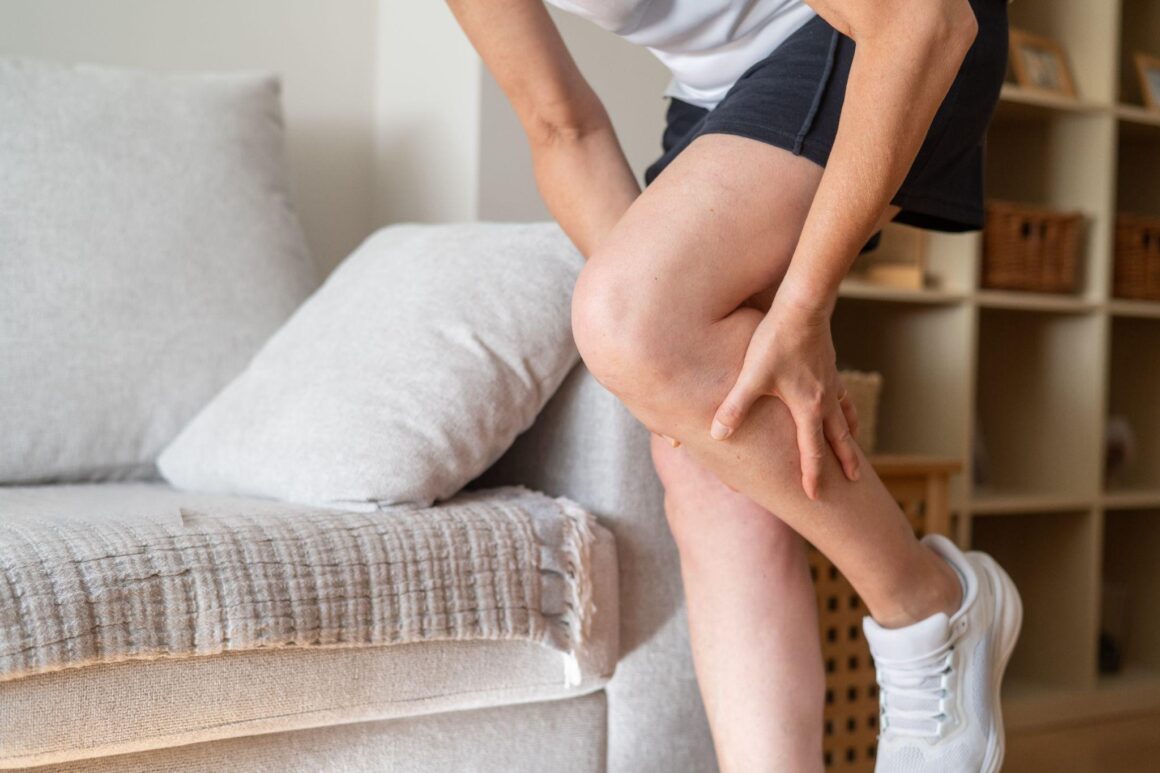
Three o’clock hits, and your legs feel like they’ve been packed with wet sand. Not painful. Just oppressive. You shift in your chair, recross your legs, and blame the long day. Here’s the thing. You might be blaming the wrong system entirely.
The Assumption That Leads People Astray
Most people land on the same explanation when their legs feel heavy. Tired muscles. Too much sitting. Not enough movement. It’s a reasonable guess. It’s also frequently wrong when veins are involved. Muscle fatigue behaves predictably. You work hard, your legs ache, you sleep, they recover. Clean cycle. Repeatable. Vein-related heaviness operates on a completely different logic. It doesn’t care how hard you worked. It doesn’t resolve with a good night’s sleep. It’s fine in the morning and progressively worse through the afternoon, almost like it’s on a timer. Lying down with legs elevated makes it better within minutes. Standing back up the next morning resets the clock and the whole cycle runs again.
That pattern doesn’t belong to muscles. It belongs to circulation. Treatment for heaviness in legs looks entirely different depending on whether the root cause is muscular or vascular. Getting that distinction right matters more than most people realize when they’re months into trying solutions that don’t work.
What’s Actually Happening Inside Your Legs
Here’s a mechanical reality most people never think about. Your leg veins spend every waking hour pushing blood upward against gravity. That’s their permanent situation. Up. Against gravity. All day.
They manage this with tiny internal valves that prevent blood from sliding back down. When those valves work properly, blood keeps moving. When they weaken, blood stalls. Pools. Accumulates pressure in vessel walls and surrounding tissue. Your legs register this as weight they aren’t actually carrying.
Things that quietly push valves toward failure:
- Genetics predisposing certain people to weaker vein walls
- Years of jobs requiring prolonged standing or prolonged sitting
- Hormonal fluctuations that soften vascular tissue and reduce elasticity
- Extra weight sustaining elevated pressure inside leg veins
- Chronic mild dehydration making blood sluggish and harder to move
- Decades of ordinary aging that gradually reduce vascular responsiveness
None of this happens overnight. It builds slowly. People adapt to the worsening rather than investigating it. The heaviness becomes background noise. Normal. Accepted. Until it isn’t.
The Symptoms That Seem Unrelated But Aren’t
Venous insufficiency distributes its evidence across multiple seemingly unconnected complaints. You end up with a collection of minor annoyances rather than one obvious problem. Ankles puffy by evening, normal by morning. Restless legs that won’t settle at night. Spider veins on calves the dermatologist calls cosmetic. A change in skin tone near your ankle, edging toward brown, that you’ve noticed but never brought up with anyone. An aching reliably worse on long flights or days spent mostly on your feet.
Each one has a plausible innocent explanation. Together they tell one story. Most people never look at them together. They get separated into different appointments and different remedies and the underlying pattern stays invisible.
What Moves the Needle
Elevate your legs in the evening. Genuinely, above heart level, for fifteen minutes. This uses gravity to drain fluid pooled throughout the day. People who try this consistently are often surprised by how quickly it works.
Move more during the day, but not the way you’re thinking. It’s not about longer workouts. It’s about interrupting stillness. Every hour of sitting is an hour your veins work without that help.
Habits that consistently reduce heaviness:
- Short movement breaks every hour rather than one long evening walk
- Fifteen minutes of evening leg elevation above heart level
- Compression socks worn during active hours throughout the day
- Consistent hydration to keep blood viscosity manageable
- Modest weight reduction to ease sustained pressure on vein walls
When these changes don’t shift things after a few weeks, professional evaluation makes sense. A vascular ultrasound takes twenty minutes. It shows exactly what the valves are doing. Years of unexplained heaviness frequently trace back to findings that are entirely treatable.
Moving Forward
The biggest mistake people make with ongoing leg heaviness is simply getting used to it. People accommodate it. Build their day around it. Stop doing things that make it worse instead of addressing what causes it.
Heaviness that follows the vascular pattern deserves a vascular answer. It’s probably addressable. Spending years enduring something addressable while blaming the wrong system is an entirely avoidable situation.
FAQs
Why does the heaviness always seem worse in the afternoon?
Blood pools progressively as the day goes on. The longer you stay upright without movement, the more accumulates. By late afternoon, your veins have been fighting gravity for hours without adequate rest.
How is this different from just being tired?
Tiredness resolves with sleep. Vein-related heaviness follows a daily cycle that restarts regardless of how well you rested. That distinction is usually the clearest indicator of what’s actually happening.
Can younger people develop this?
Yes. Genetics, hormones, sedentary work, and weight all contribute independently of age. Plenty of people in their thirties experience meaningful venous insufficiency.
How fast does leg elevation actually work?
Faster than most people expect. Within fifteen minutes of proper elevation, many people notice a tangible reduction in the pressure and weight they’ve been carrying through the day.
When does this need professional attention?
When lifestyle changes don’t produce noticeable improvement within a few weeks, or when heaviness arrives alongside swelling, skin changes, or visible surface veins. Those combinations deserve a proper vascular assessment rather than continued self-management.