

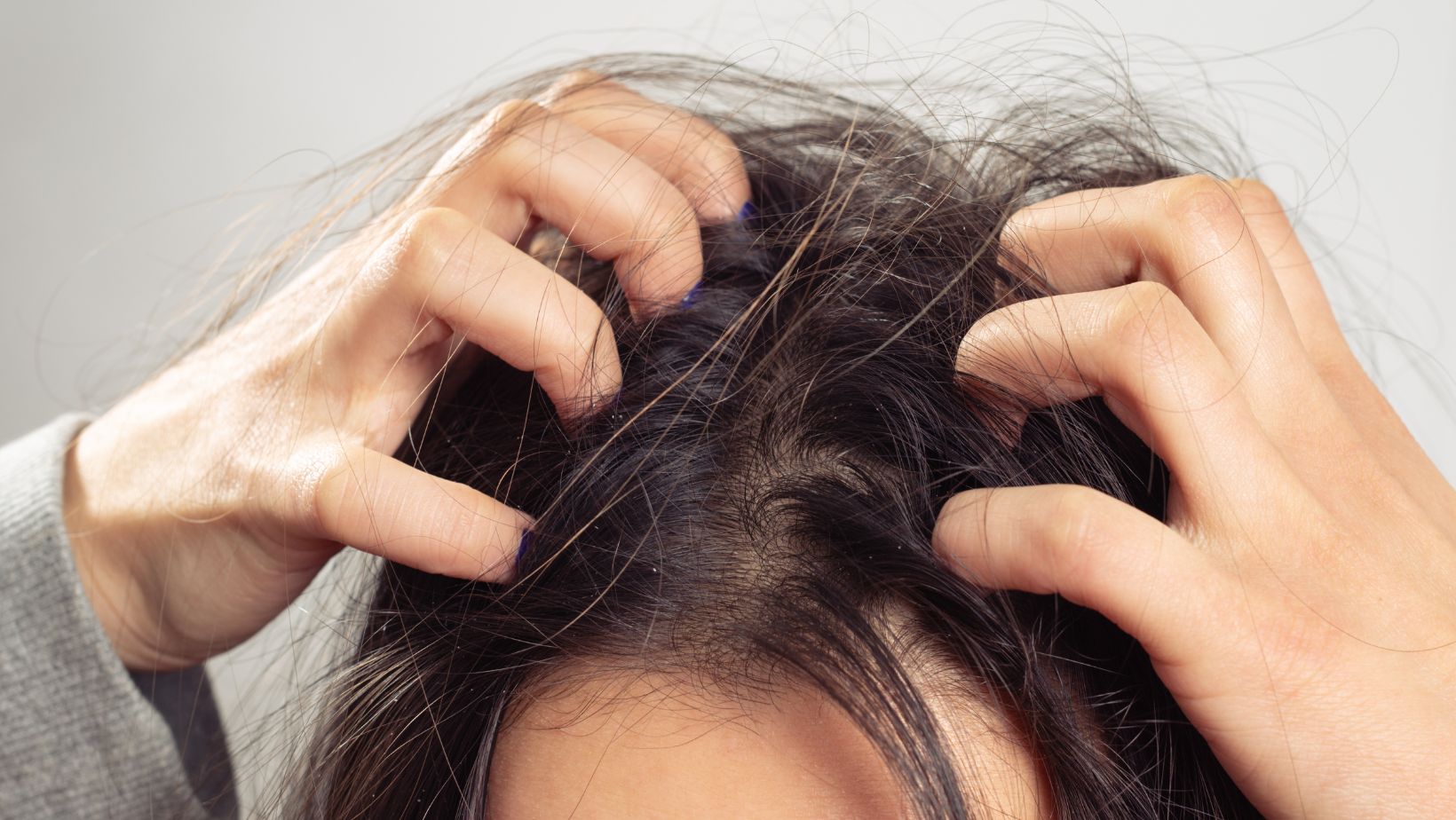
An itchy or flaky scalp can be uncomfortable—and honestly, kind of embarrassing. Plenty of folks deal with this but never really know why.
The most common causes of an itchy or flaky scalp include dandruff, seborrheic dermatitis, psoriasis, and dry skin. Each one shows up a bit differently and usually needs its own kind of treatment to actually help.
Common Causes of an Itchy or Flaky Scalp
There are a handful of reasons your scalp might itch or flake. Each has its own quirks and responds to different fixes.
Dandruff and Seborrheic Dermatitis
Dandruff is super common—about half of adults get it at some point. You’ll notice small white or yellow flakes, usually sprinkled across your shoulders (and always when you’re wearing black, right?). For a deeper breakdown of triggers and contributing factors, it helps to understand what causes dandruff in the first place.
Seborrheic dermatitis takes things up a notch. It brings bigger, oilier scales, plus redness and irritation. It doesn’t just stick to your scalp either; it can mess with other oily spots on your body.
Both conditions connect back to a yeast-like fungus called Malassezia that hangs around on everyone’s scalp. Sometimes, your immune system just doesn’t like it and overreacts, which leads to inflammation and faster skin cell turnover. Stress, shifting hormones, and certain health issues can make these flare up. Medicated shampoos with zinc pyrithione, selenium sulfide, or ketoconazole usually help keep things under control.
Dry Skin and Environmental Factors
Dry scalp is what happens when your skin doesn’t have enough moisture. You get itching and little dry flakes—these are usually smaller and not greasy like dandruff flakes.
Common environmental causes include:
-
- Low humidity, especially in winter
-
- Too much heat from styling tools
-
- Washing your hair too often with harsh shampoos
-
- Hot showers
As we age, our skin makes less oil, which just adds to the dryness and flaking. It helps to use moisturizing shampoos and conditioners—look for hyaluronic acid or glycerin, since those pull moisture in. Try not to overwash, and stick to lukewarm water if you can.
Allergic Reactions and Sensitivities
Hair products are packed with stuff that can set off allergies or sensitivities. Fragrances, preservatives, and certain surfactants are usual suspects.
If you get contact dermatitis on your scalp, you’ll see redness, itching, maybe even bumps or blisters. It can show up a day or two after using a new product, but sometimes it’s almost instant. Some folks react right away, while others only notice after using the same ingredient over and over.
Products that commonly cause reactions include:
-
- Hair dyes (especially those with PPD)
-
- Shampoos and conditioners
-
- Styling stuff like gels, mousses, hairsprays
-
- Leave-in treatments
If you can, figure out what’s causing the problem and steer clear. Fragrance-free and hypoallergenic options tend to be safer bets for sensitive scalps.
Scalp Psoriasis
Scalp psoriasis is an autoimmune thing where skin cells multiply way too fast. That leads to thick, silvery-white or red patches—called plaques—on your scalp. These plaques itch, hurt, and might even bleed if you scratch them. Unlike dandruff, the patches are well defined and sometimes spread past your hairline onto your forehead, neck, or ears.
Roughly 3% of people worldwide deal with scalp psoriasis. Stress, infections, or even a scratch can set it off if you’re prone to it. Medicated shampoos with salicylic acid or coal tar can help. For tougher cases, doctors might prescribe topical steroids, vitamin D analogues, or even oral meds.
Singapore’s hot and humid climate can aggravate scalp problems, with heat and sweat often making things worse. That’s where scalp treatment in Singapore comes in—many clinics offer solutions specifically designed for Asian scalps, targeting both the visible symptoms and the root causes to provide lasting relief.
Common professional treatments include:
-
- Medicated scalp therapies
-
- LED light therapy
-
- Targeted steroid injections for severe cases
-
- Customized hair care routines
Most dermatology clinics combine in-office treatments with home care to keep things in check. Traditional Chinese Medicine (TCM) is also popular in Singapore for scalp issues—TCM focuses more on balancing your internal systems, not just what’s happening on the surface.
Other Factors That Can Affect Scalp Health
Besides the usual suspects like dandruff, other things can mess with your scalp too. Infections, product build-up, even stress—sometimes it’s a mix.
Fungal and Bacterial Infections
Fungal infections can really mess with your scalp. Tinea capitis—or scalp ringworm—causes round, scaly bald patches that itch like crazy. Kids get it more often than adults. Folliculitis is what happens when bacteria infect your hair follicles. You’ll see small, red, tender bumps that can itch. If you don’t treat it, it can spread and get worse.
Some people get yeast infections on their scalp, leading to moist, red spots that might ooze clear fluid. Warm, humid weather makes this more likely. You’ll need medical treatment for most scalp infections. Doctors usually prescribe antifungal or antibacterial meds, either as creams or pills, depending on how bad it is.
Product Build-Up and Poor Hygiene
Hair products definitely build up on your scalp over time. Gels, mousse, hairspray, even some conditioners leave behind residue that slowly clogs things up and irritates your scalp.
Signs of product build-up include:
-
- Hair looks dull and flat
-
- Scalp feels itchy or flakes
-
- Hair still feels greasy or heavy after washing
-
- Styling your hair gets tricky
If you don’t wash often enough, oils, dead skin, and product residue pile up. For most people, washing every 2-3 days keeps things balanced. A clarifying shampoo once a month can help clear out stubborn build-up—these deep-cleaners get rid of what regular shampoo leaves behind.
Stress and Hormonal Changes
Stress hits your whole body, right down to your scalp. When you’re stressed, your body pumps out more cortisol, which can spark inflammation and make your scalp oilier than usual. Chronic stress tends to make scalp issues like psoriasis or eczema flare up. Some folks even notice stress-induced dermatitis—their scalp gets red, itchy, and flaky when life gets overwhelming.
Hormonal ups and downs play a big role in how your scalp feels. Pregnancy, menopause, and thyroid issues can all shift how much oil your skin makes, or how quickly cells turn over. Suddenly, your scalp might feel way drier or greasier than you’re used to. Even birth control pills or other hormone meds can mess with your scalp. Usually, things settle down once your body gets used to the new hormone levels, but it can be a rocky transition.