

Puffy under-eyes can make anyone look tired or older than they really are. This issue hits people of all ages and can show up for all sorts of reasons—maybe you didn’t sleep well, allergies are acting up, it’s in your genes, or it’s just one of those things that comes with getting older.
Plenty of treatments can help with puffy under-eyes, from quick home fixes to more advanced medical options. Cold compresses, cucumber slices, and specialized eye creams can bring some relief and help with swelling if you use them regularly.
If you want results that stick around longer, you might look at under-eye fillers, chemical peels, or laser treatments from a dermatologist. These go after the root causes—think fat shifting, fluid build-up, or loose skin under your eyes.
Medical and Professional Treatments
If drugstore options just aren’t cutting it, medical treatments can offer stronger solutions. These range from non-invasive procedures all the way to surgery.
Dermatological Procedures for Puffy Under-Eye
Dermatologists have a few tricks for reducing under-eye puffiness. Chemical peels use mild acids to remove the top layer of skin, which encourages collagen and firms up the area. Results usually last a few months.
- Laser therapy tackles fluid retention and boosts collagen. Devices like Fraxel or CO2 lasers tighten skin and help with puffiness, and most folks need a couple of sessions.
- Radiofrequency treatments like Thermage use heat to tighten skin. You don’t need to recover afterward, and you’ll see gradual improvement over a few months.
- Filler injections made with hyaluronic acid can reshape the area under your eyes, smoothing the transition between your lower eyelid and cheek. These work right away and last half a year to a year.
Prescription Medications and Topicals
Dermatologists sometimes prescribe retinoid creams with higher vitamin A than what you’ll find in stores. They speed up cell turnover and collagen, which can help with puffiness over time. Prescription-strength hydroquinone targets dark circles that often come with puffiness. This lightens pigmentation but you’ll need a doctor to keep an eye on things.
 For swelling from inflammation, doctors might suggest topical corticosteroids for short bursts. They work fast but aren’t for long-term use since they can thin your skin. Some products have prescription-strength peptides or growth factors to strengthen capillaries and help with lymphatic drainage. Dermatologists often combine these with other treatments for better results.
Allergy Testing and Management
Doctors can run allergy tests to pinpoint what’s causing fluid to collect under your eyes. They might do a skin prick test or check your blood for IgE antibodies. If they find an allergy, immunotherapy might help. It slowly exposes you to the allergen until your body gets used to it.
Prescription antihistamines like desloratadine or levocetirizine work better than over-the-counter ones and won’t make you sleepy. For tough cases, doctors sometimes prescribe corticosteroid nasal sprays or leukotriene modifiers. These go after the underlying inflammation, not just the symptoms.
Eye bag surgery in Singapore, also known as blepharoplasty, is a popular long-term solution for those dealing with persistent under-eye puffiness. In Singapore, the procedure typically costs between SGD $3,500 and $8,000, depending on the clinic and surgeon.
There are two main techniques used: transcutaneous blepharoplasty, which involves an external incision, and transconjunctival blepharoplasty, which uses an internal incision. The latter doesn’t leave a visible scar and is ideal for younger patients with good skin elasticity.
Most patients recover within one to two weeks, with swelling subsiding after about two weeks. Final results are usually visible within one to three months.
Singapore has become a sought-after destination, attracting patients from across Asia. Some clinics even offer all-inclusive packages that cover hotel accommodation and post-op care.
Lifestyle Modifications and At-Home Remedies
Changing up your daily habits and trying some home remedies can make a real difference for puffy under-eyes—no need for fancy products or expensive treatments. 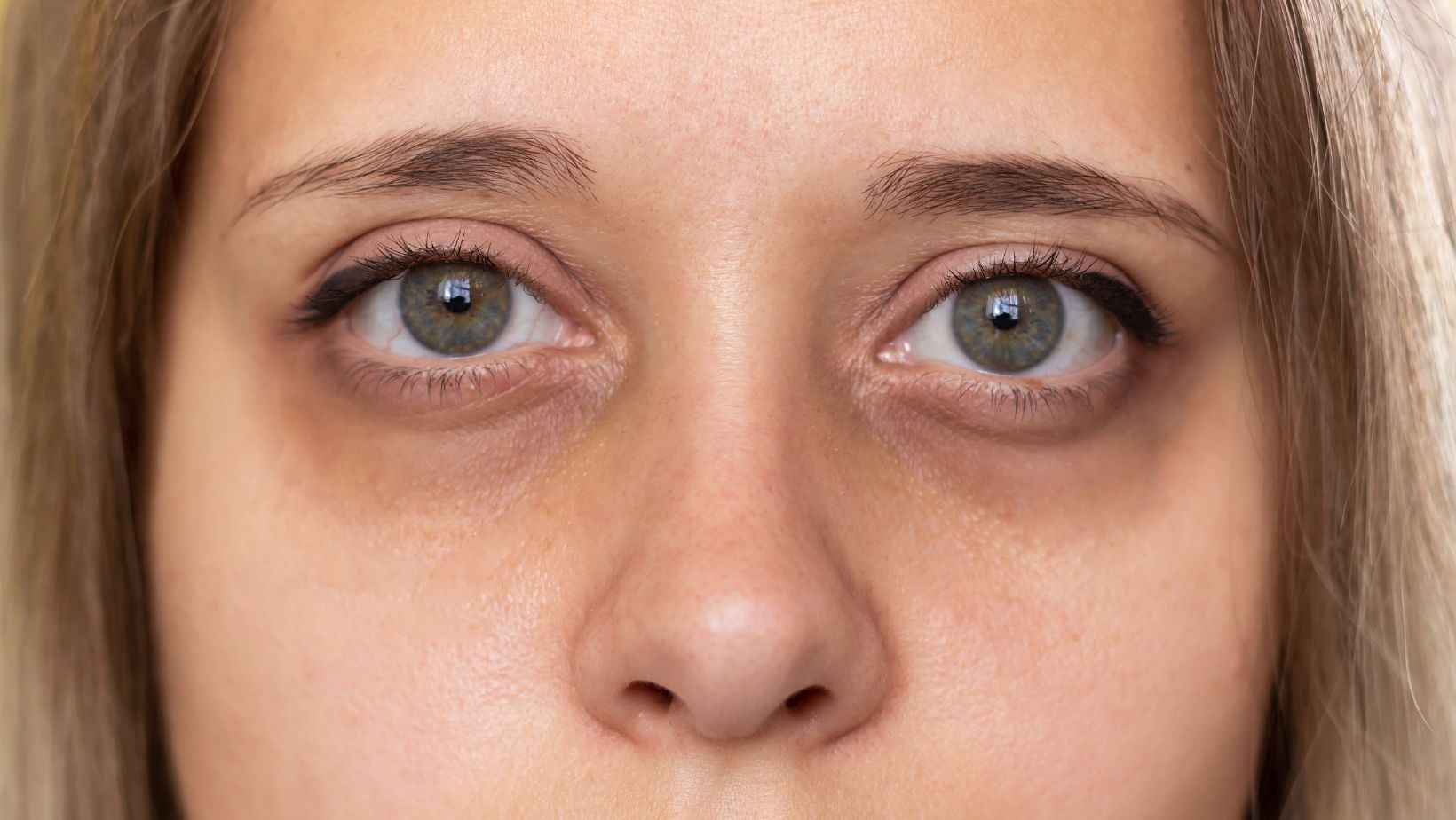 These simple tweaks actually address what’s causing the puffiness, not just the look.
Cold Compresses and Eye Masks
Honestly, cold treatments work fast for under-eye puffiness. The chill shrinks blood vessels and helps move fluid out of the area.
Some classic options:
- Chilled spoons: Keep clean spoons in the fridge and press the rounded side on your closed eyes for 5–10 minutes
- Cucumber slices: Put cold cucumber on your eyes for 10–15 minutes
- Tea bags: Steep black or green tea bags, chill them, then place on eyes for about 10 minutes
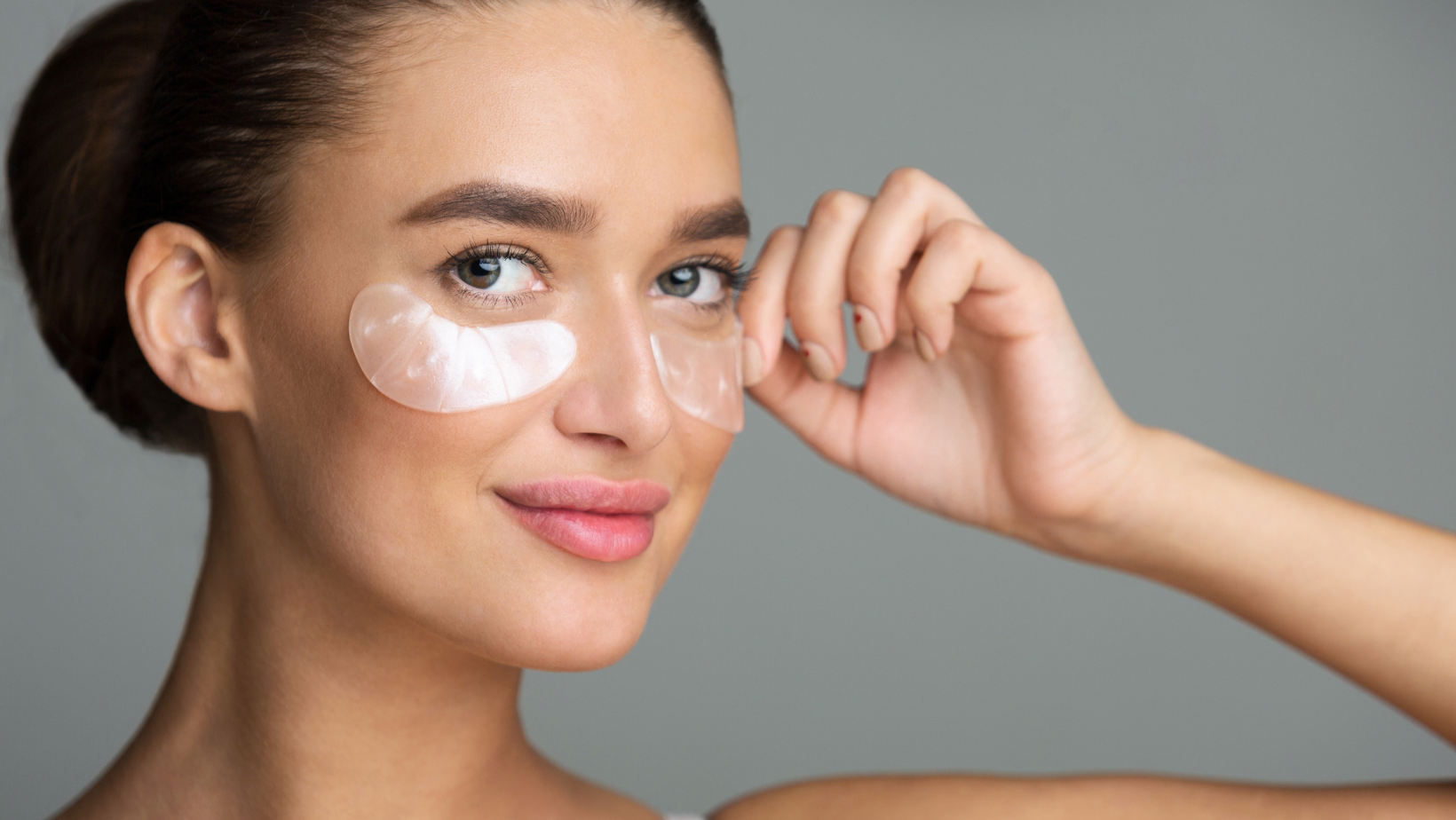
Gel eye masks are another good pick. Toss one in the fridge and use it whenever you need. They stay cold longer and let you go hands-free. You’ll get the most out of cold treatments if you use them in the morning, when puffiness tends to be the worst.
Hydration and Diet Adjustments
Staying hydrated really matters for keeping under-eye puffiness in check. When you don’t drink enough water, your body holds onto fluid—sometimes right under your eyes.
Quick hydration tips:
- Try to drink 8–10 glasses of water a day
- Cut back on caffeine since it can dry you out
- Eat more fruits and veggies with lots of water
Certain nutrients—like vitamin K from leafy greens or broccoli, and flavonoids from berries or citrus—can help strengthen the tiny blood vessels around your eyes.
Anti-inflammatory foods help too:
- Fatty fish with omega-3s
- Nuts and seeds
- Colorful fruits and veggies
If you suspect food is a trigger, try keeping a food journal. You might spot a link between certain foods (like salty snacks or preservatives) and puffier eyes.
Proper Sleep Habits
Good sleep makes a visible difference under your eyes. When you get deep rest, your body repairs itself and balances fluids, so you wake up looking fresher.
Some sleep basics:
- Stick to a regular sleep schedule—even on weekends
- Shoot for 7–9 hours of sleep each night
- Sleep on your back with your head slightly raised (an extra pillow does the trick)
Propping up your head helps prevent fluid from settling under your eyes while you sleep. It’s a small change, but you might notice less puffiness in the morning. Silk or satin pillowcases cause less friction and help avoid sleep lines that can make puffiness stand out. They don’t soak up moisture from your skin like cotton, either.
Keeping your bedroom dark and cool can help you sleep deeper, which lets your body regulate fluids better overnight.
Reducing Salt Intake and Alcohol Consumption
Too much sodium makes your body hold onto water, and you’ll see it show up under your eyes. Cutting back on salt can really help with that puffy look.
Tips for reducing sodium:
- Skip processed and packaged foods when you can
- Check those nutrition labels—they sneak salt in everywhere
- Try herbs and spices instead of reaching for the salt shaker
- If you use canned foods, give them a rinse before cooking
Alcohol’s another culprit. It dehydrates you, messes with your sleep, and stirs up inflammation. All of that just makes under-eye puffiness worse.
If you’re drinking, try alternating with water to keep yourself hydrated. Cutting back, especially at night, often makes a real difference in how you look the next morning.
If your puffiness is stubborn, maybe ditch alcohol for a couple of weeks and see what happens. You might be surprised.