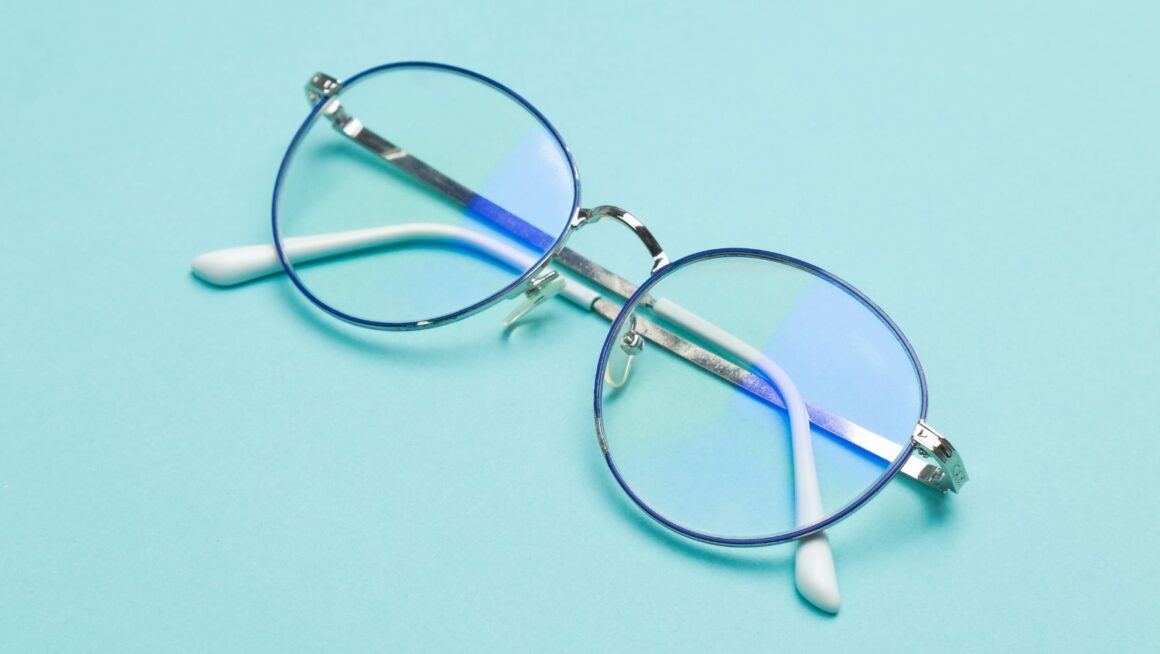
Wearing glasses can make daily life a lot easier, but over time, your lenses may not work as well as they once did. Many people are unsure when it’s the right moment to think about getting their eyeglass lenses replaced.
Knowing when to replace your lenses helps you keep your vision clear and comfortable. This article will look at what to consider so you can make the best decision for your eyes and daily routine.
Blurred Vision or Difficulty Focusing with the Current Lenses
If you start to notice blurred vision or have trouble focusing while wearing your current glasses, it may be time to think about new lenses. This can happen even if your glasses seem clean and undamaged.
Sometimes, your eyes can change slowly, and you might not notice right away. Signs like eye strain, headaches, or frequent squinting are common when your prescription is no longer working well for you.
Old or scratched lenses can also make things look fuzzy or unclear. If your frames are still in good shape, there are affordable replacement lenses for glasses that can refresh your vision without needing to buy a whole new pair.
Getting updated lenses can help you see more clearly, reduce discomfort, and make daily activities easier. Regular eye exams are a good way to catch any changes early so you can keep your vision as sharp as possible.
Frequent Headaches or Eye Strain After Wearing Glasses
If you start having frequent headaches or eye strain after putting on your glasses, it could be a sign that your lenses need to be replaced. This can happen when your prescription is no longer right for your eyes or the lenses are damaged.
Even a slight change in your vision can cause your eyes to work harder, leading to discomfort. Sometimes, a poor fit or bent frames can also put extra pressure around your eyes and temples.
If you notice these symptoms keep coming back, it is a good idea to get your eyes checked. Ignoring headaches or ongoing eye strain can make it harder for your eyes to adjust and may affect your daily comfort.
A simple prescription check or new lenses can often relieve these problems. Changing your lenses at the right time helps you see clearly and keeps your eyes feeling comfortable.
The Prescription is Over Two Years Old
If your eyeglass prescription is more than two years old, it may be time to think about getting your eyes checked again. Vision can change slowly, so you might not notice the difference right away.
Most eyeglass prescriptions come with an expiration date that is usually good for one to two years. If you try to order new glasses after that date, you may not be able to use the old prescription.
Wearing glasses with an outdated prescription could mean you are not seeing as clearly as you could. You might get headaches, eye strain, or have trouble focusing.
Getting your eyes checked every one to two years helps keep your prescription current. This way, you are always wearing glasses that fit your vision needs.
Visible Scratches or Damage on Lenses
Scratches on your eyeglass lenses can be distracting and make it harder to see clearly. Small scratches might not seem like a big problem at first, but they can cause glare and reduce the quality of your vision. You may find yourself squinting or straining your eyes to see past marks.
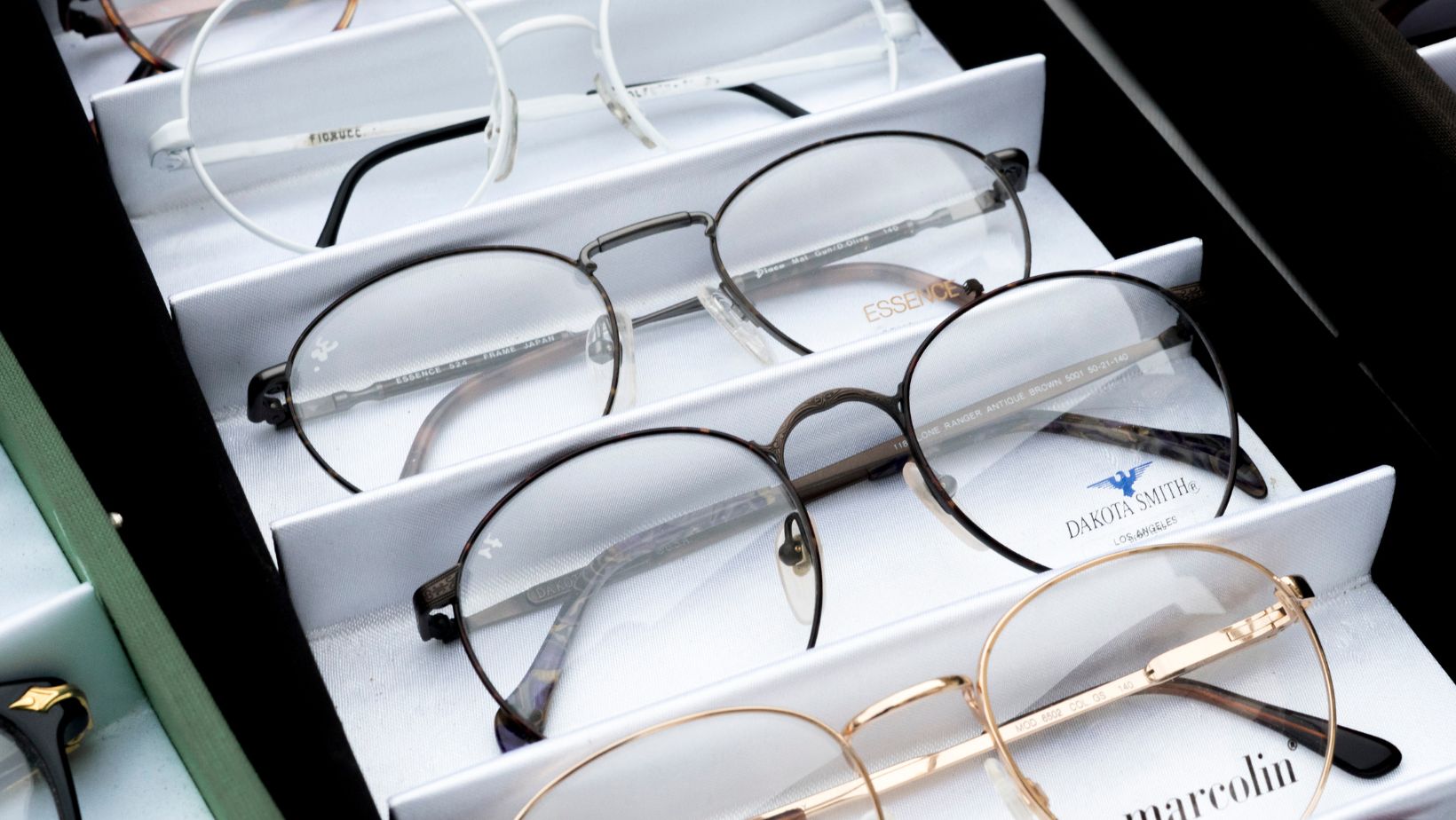
If the scratches are in your direct line of sight, they can make daily tasks like reading or driving more difficult. Over time, trying to look around the damage may lead to eye strain and headaches. Some people also notice that their eyes become tired more quickly.
When scratches are minor and not in your main field of vision, you might be able to keep using the lenses. But if the marks are deep or cause ongoing discomfort, replacing your lenses is a good idea. This helps prevent further distraction and keeps your vision clear.
Difficulty Adjusting to a New Prescription with Old Lenses
If you notice it’s hard to adjust to a new prescription, but you are still using your old lenses, this could be a sign that it’s time for replacement. Wearing old lenses may cause your eyes to work harder, leading to blurry vision or headaches.
Using outdated lenses can make daily activities like reading or driving less comfortable. Your eyes may feel tired, and you might have trouble focusing for long periods.
It’s common to experience challenges when your prescription changes. However, if your symptoms don’t improve or if you continue to feel discomfort, new lenses might help you see more clearly.
Adapting to a new prescription is easier when your lenses match your current needs. Sticking with old lenses can slow down your adjustment and keep you from enjoying the benefits of better vision.
Conclusion
Recognizing when to replace your eyeglass lenses helps you maintain clear and comfortable vision. If you notice symptoms like blurry sight, headaches, or difficulty focusing, it’s a good time to update your lenses. Keeping up with eye exams also makes sure your prescription is current and right for you.
Remember, scratched or damaged lenses can affect not only your vision but also your eye health. Keeping your eyewear in good condition supports how well you see each day.