
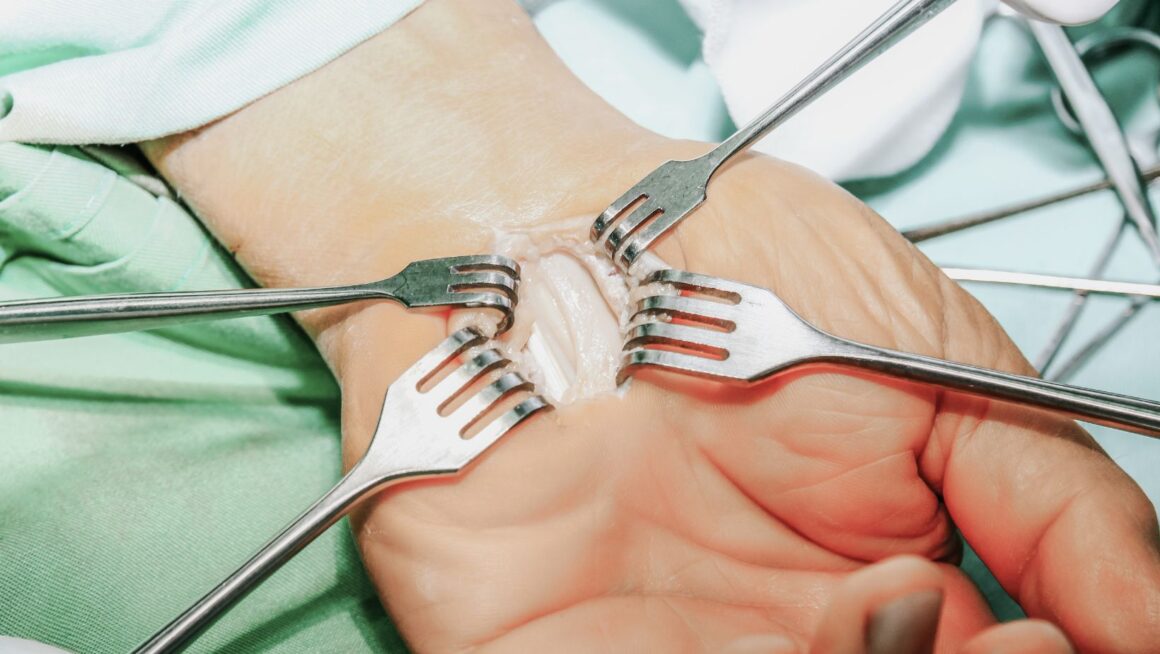
Carpal tunnel syndrome is a common nerve compression syndrome, which affects between 3-6% of adults worldwide. The condition occurs when the median nerve, which runs through a small tunnel in the wrist, is compressed. This pressure often causes pain, numbness, tingling, or weakness in the hand. Initially, doctors often suggest treatments that don’t involve surgery, such as wearing a wrist splint or trying low-level laser therapy, which can help with hand function and reduce inflammation. But if these treatments aren’t effective enough, surgery may be needed. A more recent, minimally invasive option is the thread carpal tunnel release procedure, which frees the trapped nerve without the need for large incisions.
Laser Therapy To Improve Hand Function
Low-level laser therapy (LLLT) is a non-surgical treatment for carpal tunnel syndrome that applies a single, low-power wavelength of light to the skin. The wavelength boosts cellular function as it increases mitochondrial activity; this is what produces the energy cells need to heal. As a result, LLLT helps fix damaged connective tissue and reduces swelling and inflammation in the wrist. It’s often used in addition to splints, which keep the wrist in a neutral position and further reduce pressure on the median nerve. While LLLT itself isn’t exactly new, it’s recently gained more attention as an effective, non-surgical way to help carpal tunnel syndrome. For example, a new meta-analysis found LLLT consistently improved hand functionality in patients, with more research needed to clarify the most effective treatment protocols. Each session only lasts around ten minutes, and you’ll usually need several sessions a week to see a gradual improvement in your hand function.
Quick Relief With Traditional Carpal Tunnel Surgery
When non-surgical treatments fail to provide patients with relief, carpal tunnel surgery is usually the next step. A recent study of over 200 patients who had the surgery highlights just how effective it is. On average, people’s pain decreased by over five points on a scale of one to ten, and their hand function improved by more than 17 points.
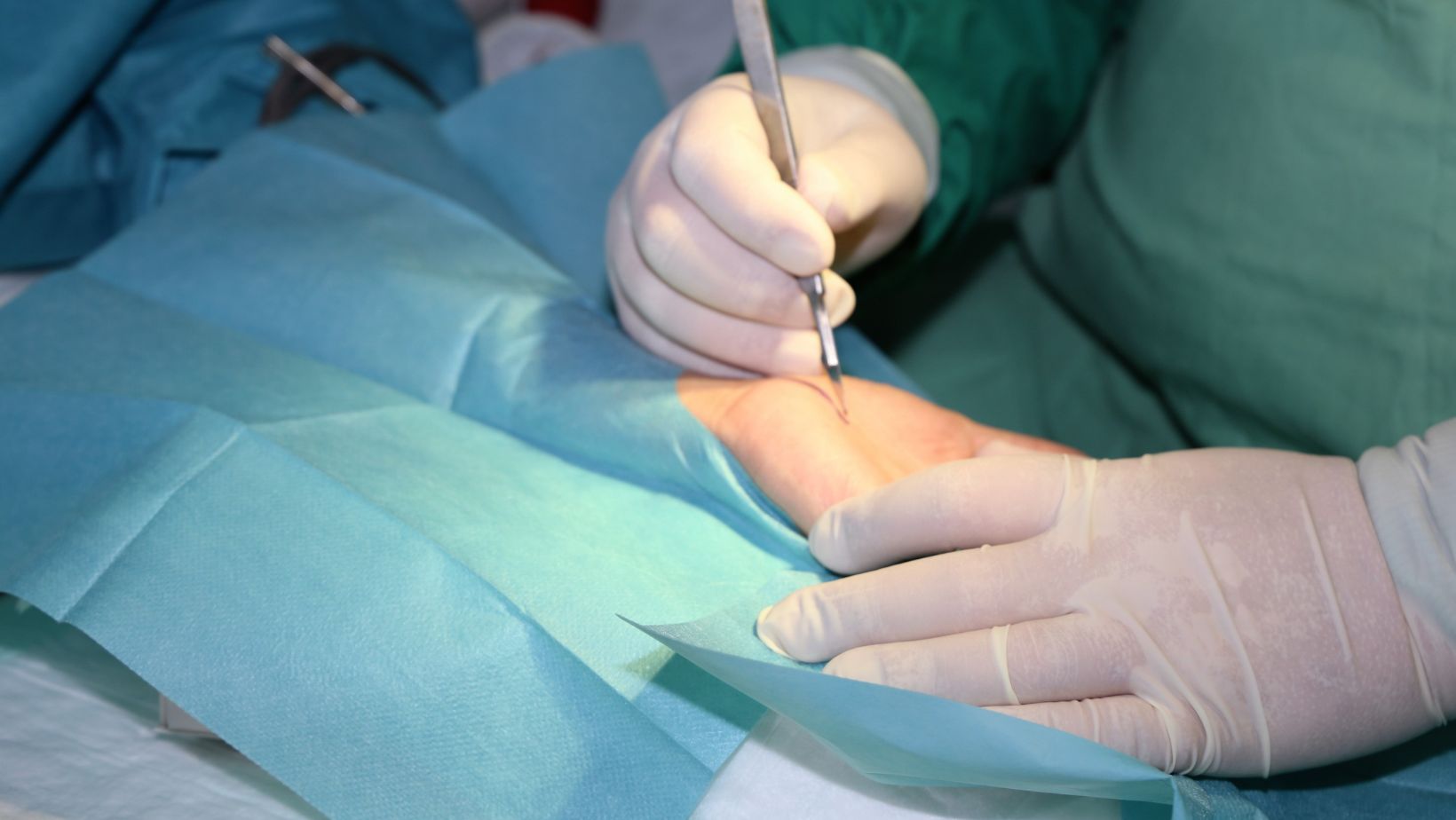
Carpal tunnel surgery itself is fairly straightforward: the procedure involves making a small cut to the palm to release the ligaments that form the top of the carpal tunnel. This gives the nerve more room to breathe, so to speak, and reduces pressure on it. During recovery, the ligaments knit back together not as tightly as before, which means there’s even more space for the nerve and less likelihood of further problems.
Thread Carpal Tunnel Release: A Scalpel-Free Alternative
Thread carpal tunnel release is a newer technique that’s similar to traditional surgery, as it cuts the ligaments to ease pressure. The difference is that it does this without the need for a large incision. Instead, the treatment uses a surgical thread and needle to make a small puncture at the wrist, and another at the palm. The surgeon then wraps the thread around the ligament multiple times to gently cut it and free the trapped median nerve. As thread carpal tunnel release is guided by ultrasound, the surgeon can be very precise, which reduces the risk of damage to nearby tissues. The whole procedure takes about fifteen minutes done under local anesthesia. In most cases, patients have less post-op pain compared to more invasive procedures, and can get back to work fast, often just a day or week later.

Carpal tunnel syndrome can be a real nuisance, but the good news is there are plenty of effective treatments available to help you get back to health. Whether you try minimally-invasive methods or go with traditional surgery, most patients successfully recover hand function in no time.