
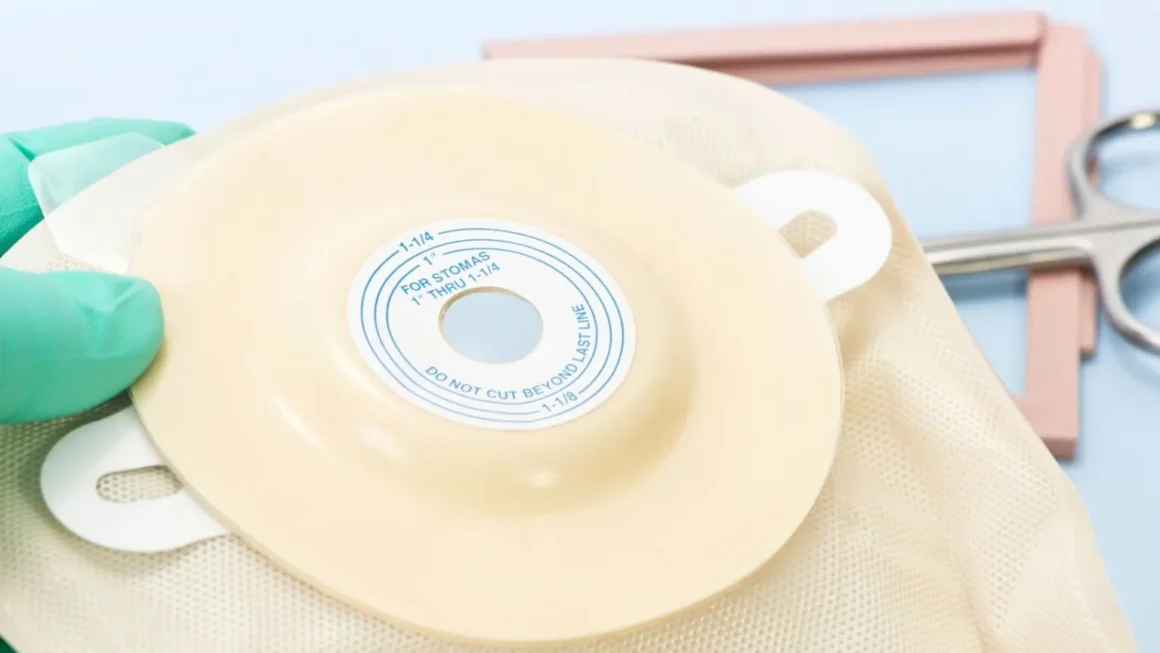
Living with an ostomy can bring about many lifestyle adjustments, but modern ostomy care products help improve comfort, confidence, and skin protection. One essential tool in achieving a secure and skin-friendly ostomy setup is the ostomy barrier ring. These flexible, moldable rings have become a staple in the daily routines of many ostomates, providing an additional layer of protection and helping to prevent common skin issues associated with leakage.
This article explores what ostomy barrier rings are, how they work, their benefits, how to use them properly, and what to consider when choosing one. Whether you’re new to ostomy life or looking to optimize your routine, understanding barrier rings can significantly enhance your experience.
What Are Ostomy Barrier Rings?
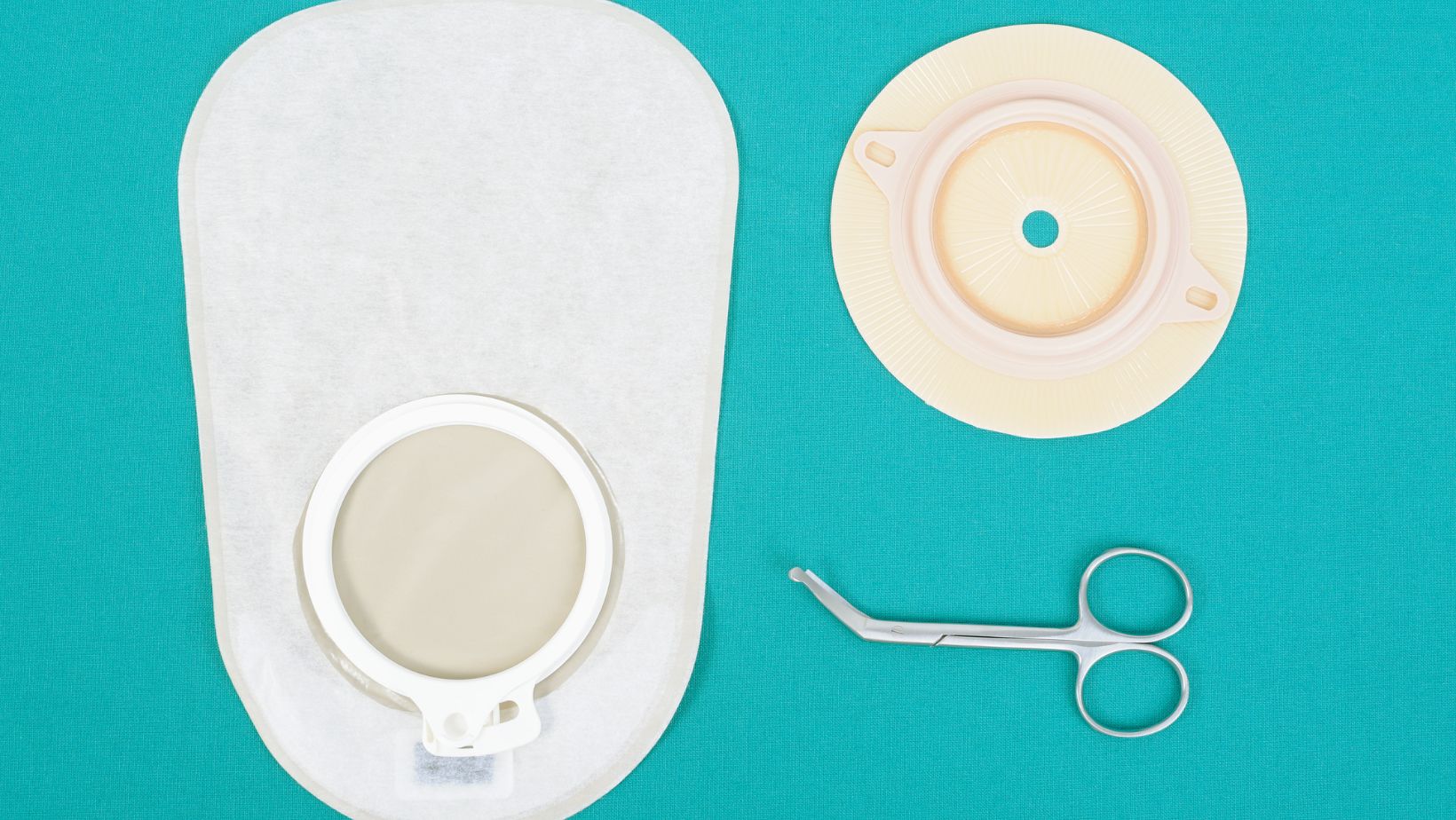
Ostomy barrier rings are donut-shaped, pliable rings made from skin-friendly hydrocolloid material. Their main purpose is to fill in uneven areas around the stoma, creating a better seal between the skin and the ostomy barrier (also called a wafer or flange). This improved seal helps to prevent ostomy output from leaking underneath the skin barrier, reducing the risk of skin irritation and inflammation.
Barrier rings are available in various shapes, thicknesses, and sizes to accommodate different stoma types, skin surfaces, and ostomy appliances. They can be stretched, rolled, cut, or stacked to fit each individual’s needs.
Why Ostomy Barrier Rings Matter
1. Leak Prevention
Leakage is one of the most common and frustrating challenges ostomates face. Even small amounts of stoma output can cause irritation or damage to the peristomal skin. Barrier rings act as a gasket around the stoma, creating a secure and snug seal that keeps output from seeping under the flange.
2. Skin Protection
Stoma output is often acidic or enzymatic, which can lead to serious skin issues if left in contact with the skin. Barrier rings form a protective layer between the skin and output, helping to prevent breakdown and painful rashes.
3. Improved Appliance Adhesion
By smoothing out the skin surface and filling in dips or scars, barrier rings provide a more even base for the adhesive barrier to stick to. This can significantly improve appliance wear time, giving ostomates more confidence and fewer appliance changes.
4. Customization
Every ostomy is different. Some people have stomas that are flush with the skin or retracted, while others have uneven peristomal areas due to scars or hernias. Barrier rings can be molded to adapt to these unique contours, offering a customizable fit for nearly any situation.
Who Can Benefit from Ostomy Barrier Rings?
While not everyone with an ostomy needs barrier rings, many individuals find them beneficial. People who may benefit include:
- Those with uneven skin or abdominal creases near the stoma.
- Individuals experiencing frequent leaks or short wear times.
- Ostomates with recessed or flush stomas, where the output doesn’t drop straight into the pouch.
- People with sensitive skin who need extra protection.
- Those engaged in active lifestyles or sports who want a more secure seal.
Barrier rings are used across all types of ostomies—colostomy, ileostomy, and urostomy—depending on individual skin conditions and preferences.
Types and Styles of Ostomy Barrier Rings
Barrier rings come in a few basic styles, with variations in shape, flexibility, thickness, and material. Understanding the differences can help you choose the right ring for your needs.
1. Flat Rings
These are the most common type. They lie flat against the skin and are ideal for individuals with slightly uneven skin or minor creases. Flat rings are easy to use and can be molded by hand.
2. Convex Rings
Designed to gently push the stoma outward, convex rings are used with retracted or flush stomas. They work by applying light pressure to the skin surrounding the stoma, encouraging it to protrude into the pouch more effectively. These are often used alongside convex baseplates.
3. Pre-Cut vs. Moldable
Some rings come pre-cut to standard stoma sizes, which can be convenient. Others are completely moldable and can be stretched, rolled, or torn to fit perfectly around irregularly shaped stomas.
4. Thin vs. Thick Rings
Thinner rings provide subtle protection and are great for flatter skin surfaces. Thicker rings are more suitable for filling in deeper creases or protecting from high-output ostomies.
How to Use Ostomy Barrier Rings
Using barrier rings is relatively straightforward, but doing it correctly ensures maximum benefit. Here is a step-by-step guide:
Step 1: Prepare the Skin
Start with clean, dry skin. Wash the area around the stoma with warm water and pat it dry. Avoid oily or greasy substances that may interfere with adhesion.
Step 2: Shape the Ring
If the ring is moldable, use clean fingers to stretch or roll it into the desired shape. Fit it snugly around the base of the stoma. You can place it directly on the skin or apply it to the adhesive barrier before attaching.
Step 3: Apply the Appliance
Once the ring is in place, attach your ostomy barrier or pouching system as usual. Smooth out any wrinkles or bubbles to ensure a secure seal.
Step 4: Check for Leaks
After application, gently press around the stoma area to check for gaps. Adjust as needed to ensure full contact and seal integrity.
Common Mistakes to Avoid
1. Applying to Wet or Oily Skin
Moisture and oils can prevent rings from sticking properly. Make sure your skin is clean and dry before application.
2. Using the Wrong Size or Thickness
An oversized or undersized ring may not seal correctly, leading to leaks. It might take some experimentation to find the right type and thickness.
3. Layering Too Much
Stacking multiple rings can create a bulky seal that may not adhere well. If one ring isn’t enough, consider trying a thicker or more moldable option instead of layering several.
4. Not Replacing as Needed
Barrier rings wear out with use and should be replaced every time you change your appliance. Leaving a worn-out ring on can compromise the seal and irritate your skin.
Tips for Success with Ostomy Barrier Rings
- Keep a few extras in your bag if you’re on the go—especially helpful for unexpected changes.
- Store them properly. Heat can cause rings to become sticky or lose shape. Keep them in a cool, dry place.
- Experiment slowly. If you’re new to barrier rings, test one type at a time to see how it affects wear time and skin condition.
- Track your skin. Take notes or photos of any changes in skin appearance to help your healthcare team assess what works best for you.
When to Talk to a Specialist
If you experience:
- Persistent skin irritation
- Frequent leaks despite using barrier rings
- Pain around the stoma
- Difficulty applying or removing the rings
…it’s a good idea to consult a stoma care nurse or wound care specialist. They can assess your stoma, skin condition, and appliance fit, and suggest modifications to your ostomy care routine.
Alternatives and Adjuncts to Barrier Rings
Ostomy barrier rings are just one tool in a wide range of skin-protection options. Depending on your needs, you may also consider:
- Barrier pastes: Ideal for filling small gaps and smoothing skin surfaces, although less moldable than rings.
- Barrier strips: These offer a different shape and can be useful around oval or irregular stomas.
- Skin barrier wipes or sprays: Provide an extra layer of protection and can help reduce irritation when used with rings.
- Convex baseplates: In some cases, a convex wafer alone may provide sufficient support for flush or recessed stomas.
Some users even combine barrier rings with other products to create a tailored solution.
Final Thoughts
Ostomy barrier rings are a simple yet powerful accessory that can greatly improve the quality of life for individuals living with an ostomy. By enhancing the seal between the skin and the appliance, they offer crucial protection against leaks and skin irritation, especially for those with challenging stoma types or skin contours.
Learning to use ostomy barrier rings effectively takes time, patience, and sometimes experimentation. But the payoff—greater comfort, fewer leaks, and healthier skin—is well worth the effort.
If you’re struggling with leaks, skin problems, or appliance wear time, barrier rings could be the solution you’ve been looking for. Talk to your healthcare provider or stoma nurse about whether they might be a good fit for you.