
A confident smile isn’t just about appearance; it’s about comfort and functionality too. Many people struggle with tooth sensitivity, while others focus on protecting their dental implants for long-term durability. At first glance, these may seem like two separate issues. However, both require thoughtful daily care and professional support to ensure your oral health remains strong. By understanding what causes sensitivity and how to maintain implants, you can keep your bite healthy and pain-free for years to come.
Understanding Tooth Sensitivity
Tooth sensitivity affects millions of people and can turn simple pleasures like sipping a hot coffee or enjoying ice cream into uncomfortable experiences. Sensitivity occurs when the protective enamel layer of your teeth wears down, exposing the softer dentin underneath. This dentin contains tiny tubules that connect directly to your nerves, which explains the sharp, sudden pain you may feel.
Several factors contribute to sensitivity:
- Enamel erosion from acidic foods or aggressive brushing.
- Gum recession, which exposes the tooth’s root.
- Cavities or cracks that open pathways to the nerves.
- Recent dental procedures can temporarily increase sensitivity.
Common triggers include hot or cold foods, sweet treats, and acidic drinks like soda or citrus juice. While mild, occasional sensitivity may be manageable, persistent or worsening symptoms indicate that it’s time to see a dentist. If you’re dealing with frequent discomfort, check out Fresh Dental and read more about managing tooth sensitivity to better understand your options for relief.
The Truth About Dental Implants and Sensitivity
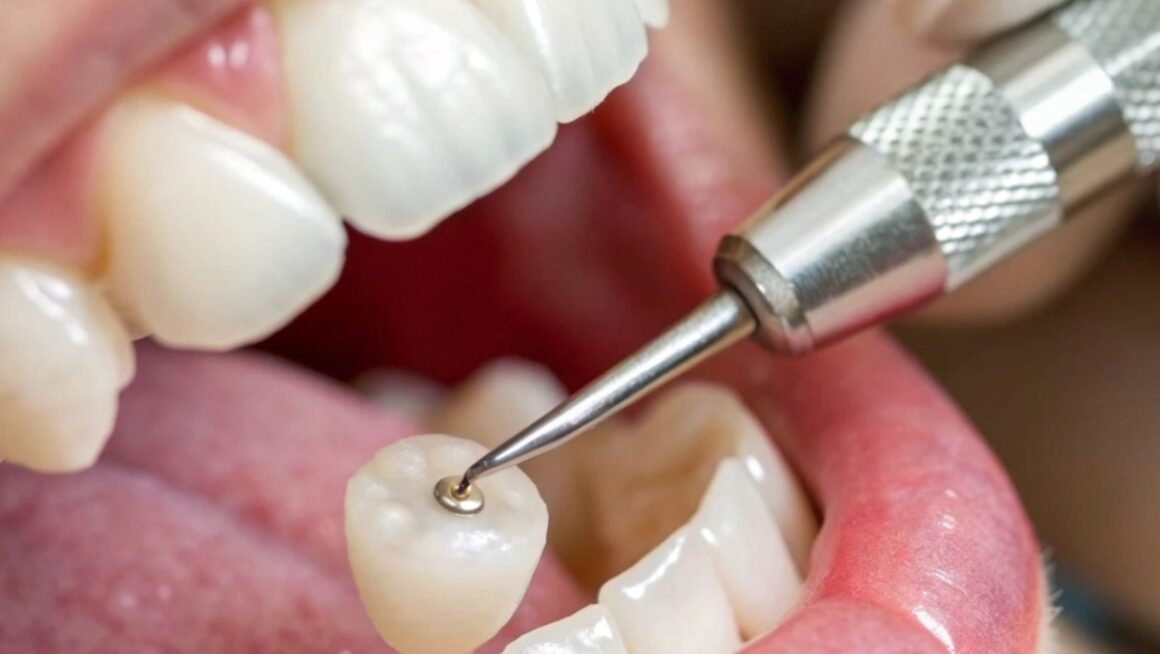
Unlike natural teeth, dental implants don’t have enamel, dentin, or nerves. Implants are artificial tooth roots, typically made of titanium or zirconia, and are topped with custom crowns. Since they don’t contain nerves, implants cannot be sensitive in the same way as natural teeth.
However, this doesn’t mean discomfort around implants should be ignored. Pain or tenderness often stems from surrounding tissues, such as the gums or jawbone. Inflammation, infection, or pressure on nearby natural teeth can all create sensations that feel like “implant sensitivity.”
Maintaining healthy gums and bone tissue is crucial to the long-term success of dental implants. A strong foundation ensures implants remain secure, functional, and free from complications.
Daily Habits for Managing Sensitivity and Implant Care
The good news is that the steps you take to ease tooth sensitivity also support dental implant maintenance. With a few adjustments, you can create a daily oral care routine that protects both your natural teeth and implants.
- Brush with care – Use a soft-bristled toothbrush and gentle, circular motions. Avoid harsh scrubbing, which wears down enamel and irritates gums.
- Use specialized toothpaste – Desensitizing toothpaste blocks pain signals from reaching nerves, while fluoride formulas strengthen enamel.
- Clean around implants thoroughly – Regular flossing and the use of interdental brushes or water flossers help remove plaque where bacteria like to hide.
- Choose a protective rinse – Antimicrobial or fluoride rinses reduce bacteria, support gum health, and reinforce enamel.
- Mind your diet – Limit sugary snacks, sodas, and acidic foods that erode enamel and irritate gum tissue. Instead, focus on balanced meals rich in vitamins and minerals.
These simple habits not only minimize sensitivity but also extend the lifespan of your dental implants. For additional guidance, learn more about dental implant maintenance from Doctors Implants, who provide trusted insights on keeping implants in excellent condition.
Preventing Damage: What Not to Do
Even the strongest oral care routine can be undermined by harmful habits. Protecting your teeth and implants means knowing what to avoid:
- Don’t chew on hard objects – Ice, pen caps, or hard candies can chip teeth and crack implant crowns.
- Stop grinding or clenching – Bruxism wears down enamel and puts excess pressure on implants. A nightguard can help if you grind your teeth in your sleep.
- Avoid smoking – Smoking reduces blood flow, delays healing, and increases the risk of gum disease, which threatens both teeth and implants.
- Limit alcohol – Excessive alcohol consumption dries the mouth and irritates the gums.
- Don’t skip checkups – Regular dental visits ensure early detection of enamel loss, gum problems, or implant complications.
When to Seek Professional Help
Home remedies and daily care go a long way, but some situations demand professional intervention. You should visit your dentist if:
- Tooth sensitivity persists for more than a few weeks despite using desensitizing products.
- Pain becomes sharp, throbbing, or occurs without clear triggers.
- You notice gum recession, swelling, or bleeding around your teeth or implants.
- Your dental implant feels loose, or the crown shifts when you bite down.
Dentists can offer targeted treatments, such as fluoride gels, sealants, bonding, or gum grafts for sensitivity. For implants, early diagnosis of peri-implantitis (gum disease around implants) or crown adjustments can prevent more serious complications.
Creating a Long-Term Comfort Plan
For lasting oral comfort, integrate tooth sensitivity management and implant care into one cohesive plan:
- Use soft, non-abrasive toothbrushes and gentle techniques.
- Stick with toothpaste designed for sensitive teeth.
- Add an antimicrobial rinse to your daily routine.
- Wear a custom nightguard if you grind your teeth.
- Schedule regular professional cleanings and exams every six months or sooner if recommended.

Consistency is the key. With proper care, you can enjoy a pain-free smile that looks natural and functions flawlessly.
Conclusion
Managing tooth sensitivity and protecting dental implants doesn’t have to be complicated. By brushing gently, using the right products, avoiding harmful habits, and visiting your dentist regularly, you can maintain both comfort and confidence in your smile. Beyond the bite, your oral health depends on the daily choices you make, and with the right approach, you’ll enjoy strong, healthy teeth and implants for a lifetime.