

Athletes foot represents one of the most prevalent dermatological conditions affecting individuals across all demographics and activity levels. This fungal infection, whilst commonly associated with athletic pursuits, demonstrates remarkable indiscrimination in its selection of hosts. The condition manifests as a result of dermatophyte colonisation, primarily affecting the interdigital spaces and plantar surfaces of the feet.
The pathophysiology underlying athletes foot involves complex interactions between environmental factors, host susceptibility, and fungal virulence. Understanding these mechanisms provides the foundation for developing effective therapeutic strategies and implementing successful preventive measures. This comprehensive examination will explore the multifaceted nature of tinea pedis, offering evidence-based insights into diagnosis, treatment, and long-term management.
Current epidemiological data suggests that athletes foot affects approximately 15-25% of the global population at any given time, with lifetime prevalence rates exceeding 70% in certain populations. These statistics underscore the importance of comprehensive education regarding recognition, treatment, and prevention of this persistent condition.
The economic burden associated with athletes foot extends beyond direct treatment costs, encompassing lost productivity, secondary complications, and the psychological impact of chronic dermatological conditions. Healthcare systems worldwide recognise the importance of effective management strategies that address both acute treatment needs and long-term prevention goals.
Understanding Athletes Foot from a Medical Perspective
Tinea pedis, the medical terminology for athletes foot, encompasses a group of superficial fungal infections caused predominantly by dermatophyte species. The three primary causative organisms include Trichophyton rubrum, Trichophyton mentagrophytes, and Epidermophyton floccosum. Each organism demonstrates distinct characteristics regarding virulence, treatment responsiveness, and propensity for recurrence.
The pathogenesis of athletes foot involves initial fungal adhesion to the stratum corneum, followed by keratinase production that facilitates tissue invasion. Environmental factors play crucial roles in determining infection susceptibility, with temperature, humidity, and pH levels significantly influencing fungal survival and proliferation. The interdigital spaces provide optimal conditions for fungal growth, characterised by increased moisture retention, reduced air circulation, and elevated temperatures.
Host factors contributing to infection susceptibility include compromised immune function, diabetes mellitus, peripheral vascular disease, and genetic predisposition. Age-related changes in skin structure and function also influence infection risk, with elderly individuals demonstrating increased susceptibility due to reduced sebum production, altered skin pH, and compromised barrier function.
The clinical manifestations of athletes foot vary considerably depending on the causative organism, infection severity, and individual host response. Classical presentation involves interdigital scaling, maceration, and pruritus, though atypical presentations including vesicular eruptions, chronic hyperkeratotic changes, and extensive inflammatory responses can occur.
Accurate diagnosis requires careful clinical evaluation combined with appropriate laboratory confirmation when indicated. Potassium hydroxide (KOH) preparation remains the gold standard for rapid diagnosis, whilst fungal culture provides definitive organism identification and antifungal sensitivity testing when required.
Recognising the Clinical Manifestations
The clinical spectrum of athletes foot encompasses several distinct presentation patterns, each requiring tailored therapeutic approaches. The interdigital variant, representing the most common presentation, typically affects the fourth and fifth toe spaces initially before potentially spreading to adjacent areas. Patients commonly report intense pruritus, particularly following periods of increased foot moisture or temperature elevation.
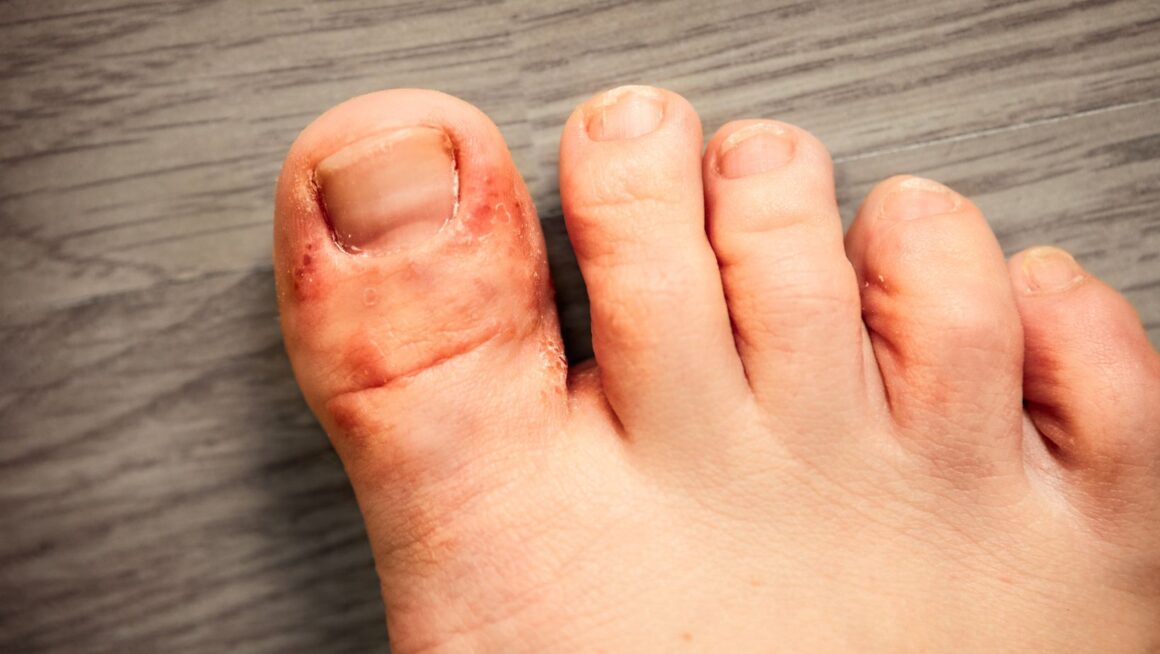
Visual examination reveals characteristic findings including fine scaling, white maceration, and fissuring of the affected skin. The infection may present asymmetrically, with unilateral involvement being common initially. Chronic cases often demonstrate lichenification, where repeated scratching leads to skin thickening and enhanced markings.
The moccasin-type presentation affects the plantar surface and lateral foot borders, characterised by chronic scaling and hyperkeratosis. This variant often proves more challenging to treat due to the thickness of the affected stratum corneum and reduced penetration of topical medications. Patients may report minimal symptoms despite extensive involvement, leading to delayed diagnosis and treatment.
Vesicular athletes foot represents a more acute presentation characterised by sudden onset of fluid-filled vesicles, typically affecting the instep and medial foot borders. This presentation often occurs during warmer months and may be accompanied by significant inflammation and discomfort. Secondary bacterial infection represents a common complication, particularly when vesicles rupture and become secondarily infected.
The inflammatory variant presents with marked erythema, oedema, and potential ulceration. This presentation suggests either extensive fungal involvement or secondary bacterial superinfection. Patients may experience significant pain and mobility limitations, requiring prompt and aggressive treatment.
Differential diagnosis considerations include contact dermatitis, psoriasis, eczematous dermatitis, and bacterial infections. Careful history taking, including exposure history, onset patterns, and response to previous treatments, assists in establishing accurate diagnosis.
Evidence Based Medical Treatment Approaches
Contemporary medical management of athletes foot relies upon well-established antifungal agents with proven efficacy and safety profiles. Topical antifungal medications represent first-line therapy for most cases, offering excellent cure rates with minimal systemic exposure and adverse effects.
Allylamine antifungals, particularly terbinafine, demonstrate superior fungicidal activity against dermatophytes compared to azole antifungals. Clinical trials consistently demonstrate higher cure rates and lower relapse rates with terbinafine-containing preparations. The recommended treatment duration typically ranges from one to two weeks for cream formulations, though individual patient factors may necessitate extended therapy.
Azole antifungals, including clotrimazole, miconazole, and econazole, provide broad-spectrum antifungal coverage and represent well-established treatment options. These agents demonstrate fungistatic rather than fungicidal activity, often requiring longer treatment courses to achieve comparable efficacy to allylamine agents.
Prescription-strength topical medications offer enhanced potency for resistant or extensive infections. Ciclopirox represents a unique antifungal agent with multiple mechanisms of action, including disruption of fungal metabolism and anti-inflammatory properties. Clinical studies demonstrate excellent efficacy rates with once-daily application regimens.
Systemic antifungal therapy becomes necessary for extensive infections, concurrent nail involvement, or treatment-resistant cases. Oral terbinafine demonstrates excellent tissue penetration and prolonged antifungal activity, making it particularly suitable for severe or chronic infections. Professional grade athlete’s foot powder solutions for ongoing maintenance therapy often complement oral treatments effectively.
Combination therapy approaches may benefit certain patients, particularly those with mixed fungal and bacterial infections. Topical antibiotics or antiseptics may be incorporated into treatment regimens when secondary bacterial infection complicates the clinical picture.
Treatment monitoring involves regular clinical assessment to evaluate therapeutic response and identify potential adverse effects. Patient education regarding proper application techniques, treatment duration, and expected outcomes significantly influences treatment success rates.
Natural and Alternative Treatment Methodologies
Traditional medicine systems have long recognised the therapeutic potential of various natural substances for treating fungal infections. Modern scientific investigation has validated the antifungal properties of numerous botanical compounds, providing evidence-based support for selected natural therapies.
Tea tree oil (Melaleuca alternifolia) represents the most extensively studied natural antifungal agent, with multiple clinical trials demonstrating efficacy comparable to conventional topical antifungals. The active compounds, primarily terpinen-4-ol, demonstrate broad-spectrum antimicrobial activity through multiple mechanisms including membrane disruption and enzyme inhibition.
Proper preparation and application of tea tree oil requires careful attention to concentration and dilution protocols. Clinical studies typically employ 10% tea tree oil preparations, as higher concentrations may cause contact dermatitis whilst lower concentrations demonstrate reduced efficacy. Application should occur twice daily to clean, thoroughly dried feet.
Garlic (Allium sativum) contains allicin and related organosulphur compounds with demonstrated antifungal properties. Fresh garlic preparations show superior activity compared to aged or processed products, though skin irritation represents a significant limitation. Patch testing prior to widespread application is essential to assess individual tolerance.
Vinegar solutions create acidic environments unfavourable to fungal growth whilst potentially disrupting biofilm formation. Apple cider vinegar and white vinegar both demonstrate antimicrobial properties, though clinical evidence supporting their use remains limited. Foot soaking protocols typically involve 1:2 vinegar to water ratios for 15-20 minute sessions.
Essential oils beyond tea tree oil, including oregano, thyme, and lavender oils, demonstrate varying degrees of antifungal activity. However, the potential for contact sensitisation and variable product quality limit their routine clinical application. Professional guidance regarding selection, preparation, and application protocols is advisable.
Probiotic approaches focus on restoring normal skin microbiome balance and enhancing natural resistance to fungal colonisation. Whilst promising in theory, clinical evidence supporting topical probiotic applications for athletes foot remains preliminary.
Natural treatments should complement rather than replace established medical therapies, particularly for severe or persistent infections. Integration of natural approaches into comprehensive treatment plans may enhance outcomes whilst potentially reducing reliance on synthetic antifungal agents.
Selecting Appropriate Over the Counter Solutions
The pharmaceutical market offers numerous over-the-counter antifungal preparations, each with distinct characteristics regarding active ingredients, formulation, and application protocols. Understanding these differences enables informed selection of optimal treatment options for individual patient presentations.
Terbinafine-containing products represent the most potent over-the-counter options available, offering fungicidal activity and shorter treatment courses compared to azole-containing alternatives. Clinical studies demonstrate cure rates exceeding 70% with seven-day treatment protocols, significantly higher than longer courses required for other agents.
Clotrimazole preparations provide reliable antifungal activity with excellent safety profiles established through decades of clinical use. Whilst requiring longer treatment courses than terbinafine, clotrimazole demonstrates good tolerability and broad-spectrum activity against various dermatophyte species.
Miconazole formulations offer similar efficacy to clotrimazole with the advantage of twice-daily dosing regimens. Some miconazole products incorporate additional ingredients targeting associated symptoms such as inflammation and secondary bacterial colonisation.
Tolnaftate represents a time-tested antifungal agent with excellent safety data and low allergenic potential. Whilst potentially less potent than newer agents, tolnaftate remains suitable for mild infections and prevention protocols in susceptible individuals.
Formulation considerations play crucial roles in treatment selection and outcomes. Cream preparations provide optimal penetration for scaling and hyperkeratotic lesions whilst offering good patient acceptability. Powder formulations excel at moisture control and prevention applications, particularly suitable for use in footwear.
Solution formulations penetrate effectively into fissures and interdigital spaces but may cause excessive drying in some patients. Spray applications offer convenience and reduced contamination risk but may provide less precise dosing control.
Combination products incorporating antifungals with anti-inflammatory or keratolytic agents may benefit patients with significant symptoms or hyperkeratotic involvement. However, increased complexity and cost should be weighed against potential advantages.
Duration of treatment varies considerably among different agents and formulations. Adherence to recommended treatment courses, including continuation beyond symptom resolution, significantly influences cure rates and recurrence risk.
Developing Comprehensive Prevention Strategies
Prevention represents the most cost-effective and sustainable approach to athletes foot management, requiring systematic attention to environmental, behavioural, and personal hygiene factors. Successful prevention programmes address multiple risk factors simultaneously whilst remaining practical for long-term implementation.
Environmental modification focuses on reducing fungal survival and transmission in areas of high risk. Public facilities including gymnasiums, swimming pools, and communal bathing areas require regular disinfection protocols using fungicidal agents. Personal responsibility includes consistent use of protective footwear in these environments.
Home environment considerations include regular cleaning and disinfection of bathroom surfaces, particularly shower areas and bath mats. Family members should avoid sharing towels, footwear, and other personal items that may facilitate transmission. Laundering protocols should incorporate hot water temperatures exceeding 60 degrees Celsius when treating contaminated items.
Footwear management represents a critical component of prevention strategies. Shoe rotation protocols ensure adequate drying time between wears, whilst material selection favours breathable options over synthetic alternatives that promote moisture retention. Athletic footwear requires particular attention due to increased moisture exposure during physical activity.
Sock selection and management significantly influence foot environment conditions. Moisture-wicking synthetic fibres or natural materials such as merino wool provide superior moisture management compared to cotton alternatives. Frequent sock changes during high-activity periods prevent moisture accumulation.
Personal hygiene protocols emphasise thorough daily foot washing with antimicrobial soaps followed by complete drying, particularly between toes. Some individuals benefit from antifungal powders or sprays as routine prevention measures, especially those with history of recurrent infections.
Risk factor modification addresses underlying conditions that predispose to fungal infections. Diabetes management, immune system optimisation, and treatment of concurrent skin conditions reduce infection susceptibility whilst improving treatment outcomes.
Education programmes targeting high-risk populations, including athletes, military personnel, and healthcare workers, demonstrate significant prevention benefits. These programmes emphasise practical strategies tailored to specific occupational or recreational exposure risks.
Monitoring and early intervention protocols enable rapid identification and treatment of emerging infections before they become established. Regular self-examination and prompt treatment of suspicious symptoms prevent progression to chronic infections.
The Impact of Nutrition and Overall Health
Systemic health status significantly influences susceptibility to fungal infections and treatment response rates. Nutritional factors, immune function, and metabolic status all contribute to the complex interplay between host resistance and fungal pathogenicity.
Blood glucose control represents a critical factor in fungal infection risk, with elevated glucose levels providing enhanced nutrients for fungal growth whilst compromising immune function. Diabetic patients demonstrate increased infection rates, more severe presentations, and higher recurrence rates compared to non-diabetic individuals.
Dietary approaches supporting immune function and reducing fungal growth include limitation of refined sugars and processed carbohydrates whilst emphasising nutrient-dense whole foods. Specific nutrients supporting immune function include zinc, vitamin C, vitamin D, and B-complex vitamins.
Zinc deficiency compromises immune function and wound healing capacity, potentially prolonging infection duration and increasing complication risk. Adequate zinc intake through diet or supplementation supports optimal immune response and tissue repair mechanisms.
Vitamin C requirements increase during periods of infection and stress, supporting immune cell function and collagen synthesis necessary for tissue repair. Natural sources or supplementation may benefit individuals with marginal nutritional status.
Probiotics influence immune function through gut microbiome modulation and may indirectly affect skin health and infection resistance. Whilst direct evidence supporting probiotic use for athletes foot prevention remains limited, general immune support benefits suggest potential value.
Hydration status affects skin health and barrier function, with adequate fluid intake supporting optimal skin integrity. However, local moisture management remains distinct from systemic hydration requirements.
Stress management influences immune function through complex neuroendocrine pathways. Chronic stress compromises immune responses whilst potentially increasing infection susceptibility and delaying healing processes.
Sleep quality and duration significantly impact immune function and tissue repair mechanisms. Adequate sleep supports optimal immune surveillance and response capabilities essential for infection prevention and resolution.
Exercise provides immune system benefits whilst potentially increasing infection risk through increased foot moisture and communal facility exposure. Balancing these competing factors requires careful attention to prevention protocols and post-exercise hygiene practices.
Determining When Professional Medical Care Becomes Necessary
Recognition of situations requiring professional medical evaluation ensures optimal treatment outcomes whilst preventing potential complications. Several clinical indicators suggest the need for healthcare provider assessment and management.
Treatment failure represents the most common indication for professional consultation. Over-the-counter treatments applied correctly for appropriate durations should demonstrate clinical improvement within two weeks. Persistent or worsening symptoms despite adequate self-treatment warrant professional evaluation.
Extensive infection involving large areas of the feet or spreading to other body regions requires prescription-strength medications and professional monitoring. Nail involvement typically necessitates systemic antifungal therapy under medical supervision.
Signs of secondary bacterial infection including increased erythema, warmth, purulent discharge, lymphangitis, or systemic symptoms require immediate medical attention. These complications may necessitate antibiotic therapy in addition to antifungal treatment.
Immunocompromised patients, including those with diabetes, HIV infection, or receiving immunosuppressive medications, should seek professional care earlier in the disease course. These conditions increase complication risk and may require modified treatment approaches.
Chronic or recurrent infections suggest underlying predisposing factors requiring investigation and management. Professional evaluation can identify contributing conditions and develop comprehensive treatment strategies addressing root causes.
Allergic reactions to treatments, including contact dermatitis from topical medications, require professional assessment and alternative treatment selection. Patch testing may be necessary to identify specific allergens.
Diagnostic uncertainty, particularly when clinical presentation differs from typical athletes foot manifestations, warrants professional evaluation. Conditions such as psoriasis, eczema, or bacterial infections may mimic fungal infections.
Patient education regarding warning signs enables appropriate self-assessment and timely healthcare seeking when indicated. Clear guidelines regarding when to seek professional care reduce both unnecessary delays and inappropriate self-treatment attempts.
Healthcare providers offer access to prescription medications, laboratory testing, and specialised treatments not available through self-care approaches. Professional management becomes essential when standard treatments prove inadequate.
Long Term Management and Maintenance Protocols
Successful long-term management of athletes foot requires sustained attention to prevention principles and prompt intervention when symptoms emerge. Developing sustainable routines and maintenance protocols significantly reduces recurrence risk whilst maintaining quality of life.
Maintenance therapy protocols may benefit individuals with history of recurrent infections or ongoing risk factors. Low-level antifungal applications, including powders or occasional topical treatments, provide ongoing protection against reinfection.
Surveillance strategies involve regular self-examination and early recognition of emerging symptoms. Monthly foot inspections focusing on interdigital spaces and areas of previous involvement enable early intervention when infections develop.
Seasonal modifications may be necessary to address changing environmental conditions and activity patterns. Summer heat and humidity may require enhanced moisture control measures, whilst winter footwear choices may necessitate additional prevention strategies.
Equipment maintenance includes regular cleaning and replacement of footwear, socks, and foot care implements. Antifungal sprays or UV sterilisation systems can reduce fungal contamination of frequently used items.
Risk assessment protocols help identify and modify situations that increase infection risk. Occupational exposures, recreational activities, and travel situations may require enhanced prevention measures.
Family education ensures that household members understand transmission risks and prevention strategies. Shared living spaces require attention to hygiene protocols and equipment management to prevent cross-infection.
Healthcare follow-up schedules depend on individual risk factors and infection history. High-risk patients may benefit from periodic professional assessment and maintenance therapy adjustments.
Documentation of infection patterns, treatment responses, and triggers assists in developing personalised management strategies. This information proves valuable for healthcare providers and guides future treatment decisions.
Quality of life considerations ensure that prevention and maintenance protocols remain practical and sustainable long-term. Overly complex or restrictive approaches often lead to poor adherence and treatment failure.
The goal of long-term management extends beyond mere infection prevention to maintaining optimal foot health and comfort. Comprehensive approaches addressing all aspects of foot care contribute to overall health and wellbeing whilst specifically targeting fungal infection prevention.
Success requires commitment to consistent implementation of proven strategies combined with flexibility to adapt approaches as circumstances change. With proper understanding and application of these principles, athletes foot can be effectively managed as a minor rather than major health concern.