
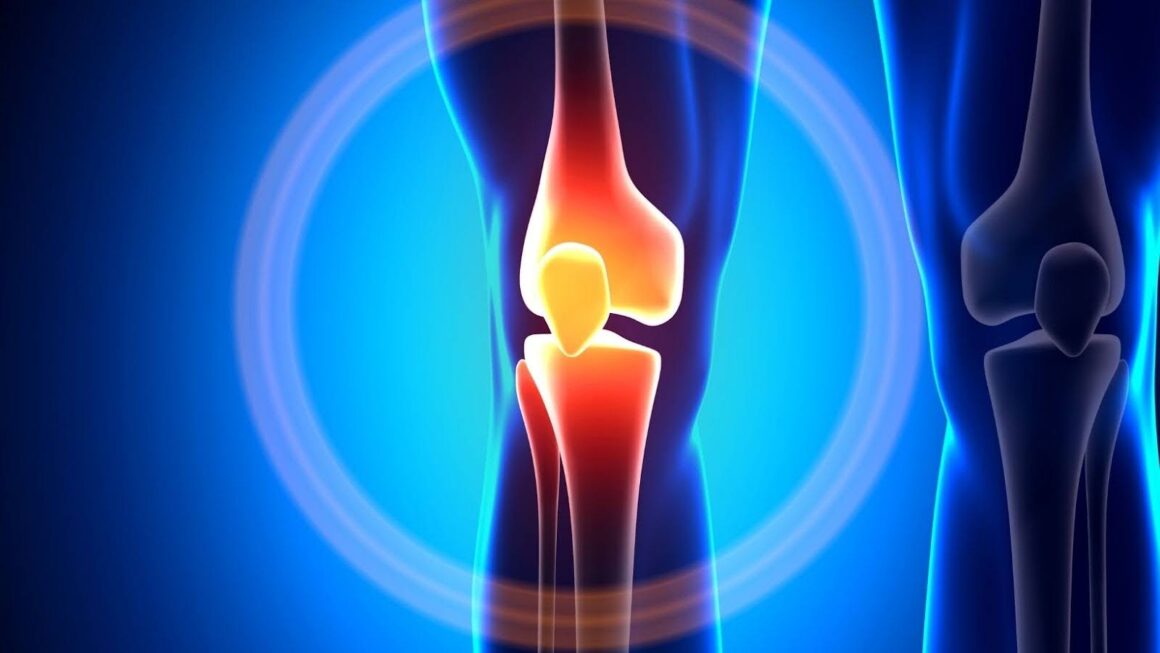
A New Chapter in Healing
In modern orthopaedics, healing has moved far beyond casts and surgical screws. Today, regenerative medicine—particularly therapies that use stem cells—is redefining how we treat joint, bone, and soft tissue injuries. For patients living with chronic pain, osteoarthritis, or complex fractures, this shift represents something profound: hope for healing from within, not just symptom relief.
This article explores how stem cells and regenerative medicine are changing orthopaedic care, what the research actually supports, and how patients can navigate the fast-growing—and sometimes confusing—landscape of these treatments.
What Is Regenerative Medicine?
At its core, regenerative medicine aims to repair, replace, or restore damaged tissues using the body’s own biological mechanisms. Instead of focusing solely on mechanical fixes—like metal implants or joint replacements—this field seeks to stimulate natural healing and tissue regeneration.
Stem cells play a central role. These are undifferentiated cells that can transform into specialized tissue types—bone, cartilage, tendon, or ligament—depending on the signals they receive. Orthopaedic specialists use stem cells in hopes of regenerating cartilage in arthritic joints, accelerating bone healing, and improving tendon repair after injury.
How Stem Cells Work in Orthopaedic Care
There are several types of stem cells used in clinical and research settings:
- Mesenchymal Stem Cells (MSCs):
Found in bone marrow, fat tissue, and umbilical cord blood, these cells are the most common in orthopaedic applications. They can differentiate into bone (osteoblasts), cartilage (chondrocytes), and muscle (myocytes). - Adipose-Derived Stem Cells (ADSCs):
Harvested from a small liposuction procedure, ADSCs are easy to obtain and plentiful, making them appealing for joint and tendon conditions. - Bone Marrow Aspirate Concentrate (BMAC):
This is a minimally processed form of bone marrow rich in stem cells and growth factors. It’s injected into affected areas, such as the knee or shoulder, to promote healing. - Platelet-Rich Plasma (PRP):
Although not a stem cell product, PRP often complements stem cell therapy. Platelets release growth factors that enhance tissue regeneration and reduce inflammation.
In orthopaedics, these cells may be injected directly into joints or applied during surgery to improve healing after ligament or cartilage repair.
Conditions Being Treated
Stem cell therapy is being explored for a range of musculoskeletal conditions:
- Osteoarthritis: Stimulating cartilage regeneration to reduce joint pain and delay knee or hip replacement.
- Tendon injuries: Helping chronic tendonitis and rotator cuff tears heal more effectively.
- Fractures and bone defects: Accelerating bone growth in non-healing fractures.
- Spinal disc degeneration: Research suggests stem cells may help restore disc integrity and reduce back pain.
While outcomes vary, many patients report improved pain and mobility. Clinical trials continue to evaluate the long-term durability and effectiveness of these therapies.
Stem Cell in Turkey: A Growing Hub for Regenerative Orthopaedics
In recent years, Turkey has become a leading destination for advanced orthopaedic care, particularly in the field of regenerative medicine. Several private hospitals and research centers now specialize in stem cell in Turkey procedures, offering treatments for joint and spine conditions that combine innovation with affordability.
Clinics like Liv Hospital, Acıbadem, and Memorial Health Group have dedicated regenerative medicine units where orthopedic surgeons work alongside cellular biologists. These centers use technologies such as bone marrow stem cell extraction, PRP therapy, and cartilage regeneration scaffolds, often under international accreditation standards.
For patients seeking care abroad, this trend offers access to experienced surgeons and cutting-edge research collaborations—though it also underscores the importance of careful due diligence. Always verify accreditation, physician credentials, and the source of stem cells being used.
What the Evidence Says
The science of stem cells in orthopaedics is promising but still evolving. Some key findings include:
- Osteoarthritis:
A 2023 meta-analysis in The American Journal of Sports Medicine found that intra-articular MSC injections improved pain and function scores in knee osteoarthritis patients, especially in early-to-moderate stages. - Tendon Healing:
Research published in Stem Cells Translational Medicine (2022) showed that stem cell-treated tendons had stronger collagen structure and faster recovery. - Cartilage Repair:
Randomized trials suggest meaningful cartilage regeneration on MRI within 12 months, although results are variable.
However, not all therapies marketed as “stem cell treatments” meet clinical-grade standards. Some clinics use poorly characterized or unproven cell products. Patients should seek procedures backed by peer-reviewed data and performed by trained orthopaedic specialists.
How a Typical Stem Cell Procedure Works
- Consultation and Imaging:
The orthopaedic surgeon assesses your condition with X-rays or MRI scans to confirm eligibility. - Harvesting:
Stem cells are obtained from your own body—either bone marrow (pelvic area) or adipose tissue (small liposuction). - Processing:
Cells are concentrated using sterile centrifugation equipment to yield a rich sample of MSCs and growth factors. - Injection or Application:
The prepared stem cell concentrate is injected under ultrasound or fluoroscopic guidance into the target site. - Rehabilitation:
Patients usually resume light activity within days, with physical therapy starting soon after to optimize outcomes.
Potential Benefits and Risks
Benefits:
- Minimally invasive; outpatient procedures are common.
- Shorter recovery time than traditional surgery.
- May reduce inflammation and promote natural tissue repair.
- Potential to delay joint replacement for some patients.
Risks:
- Pain or swelling at the harvest site.
- Infection (rare with sterile technique).
- Variable effectiveness depending on disease severity and patient health.
- High out-of-pocket costs — stem cell therapy is rarely covered by insurance.
Ethical and safety concerns arise when unregulated clinics offer “miracle cures.” Always confirm that the facility complies with your country’s health regulations or recognized international standards.
The Future of Regenerative Orthopaedics
Scientists envision a future where stem cells are combined with 3D-printed scaffolds, biodegradable implants, and gene therapies to fully rebuild damaged tissues. Early studies in bioprinting cartilage and lab-grown bone grafts show encouraging results.
Major orthopaedic organizations, including the American Academy of Orthopaedic Surgeons (AAOS), are cautiously optimistic but stress the need for rigorous clinical trials. Long-term safety, durability, and cost-effectiveness must be established before these treatments become standard care.
Questions to Ask Your Doctor Before Considering Stem Cell Therapy
- Is this treatment FDA- or EMA-approved for my condition?
- What type of stem cells will be used — autologous (my own) or donor-derived?
- How many similar cases have you treated, and what are your results?
- What are the potential risks and realistic outcomes?
- How will follow-up and rehabilitation be handled?
If a clinic promises instant results or a “guaranteed cure,” that’s a red flag. Science takes time — and safe, effective healing does too.