
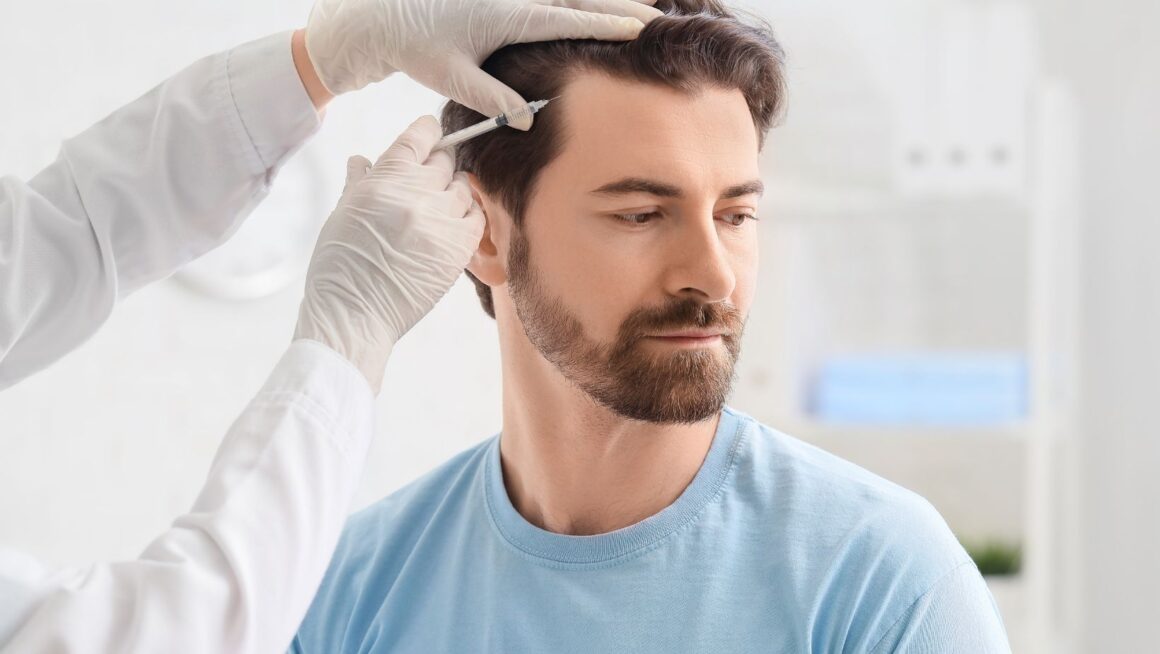
Are you tired of searching for that miracle solution to your hair woes? With the beauty aisle overflowing with promises, it’s easy to feel overwhelmed. Enter hair growth devices—once a niche market, now the star players in the quest for luscious locks. But do these high-tech gadgets truly deliver on their claims, or are they just another trend riding the wave of hope and hype? In this post, we’ll dive into the fascinating science behind these innovative tools, uncovering whether they can really help you achieve the thick, healthy mane you’ve always dreamed of. Get ready to unravel the truth and discover what really works when it comes to boosting your tresses!
What Are Hair Growth Devices?
Hair growth devices are a type of hair care tool that use advanced technology to stimulate hair follicles, promote hair growth, and improve the overall health of your hair. These devices typically come in the form of combs, brushes, helmets, or handheld devices, and use a variety of methods such as laser therapy, LED light therapy, or microcurrent stimulation to achieve their results.
The Science Behind Hair Growth Devices
Hair growth devices work by targeting the hair follicles, which are tiny structures located within the skin that produce hair. Each follicle contains a hair bulb, which is responsible for the growth and nourishment of the hair shaft. When the hair follicles are healthy and functioning properly, they produce strong, thick, and lustrous hair. However, factors such as aging, genetics, hormonal imbalances, and environmental stressors can disrupt the hair follicles and lead to thinning, weakened, or even hair loss. Hair growth devices use different methods to stimulate the hair follicles and promote hair growth.
For example, some devices use low-level laser therapy (LLLT), which involves emitting red or near-infrared light onto the scalp. This light is absorbed by the hair follicles, triggering a series of biochemical reactions that increase blood flow and nutrient delivery to the follicles, promoting hair growth. Other devices use LED light therapy, which works similarly to LLLT but uses different frequencies of light. Some devices also use microcurrent stimulation, which involves sending gentle electrical impulses to the scalp to stimulate the hair follicles and improve blood circulation.
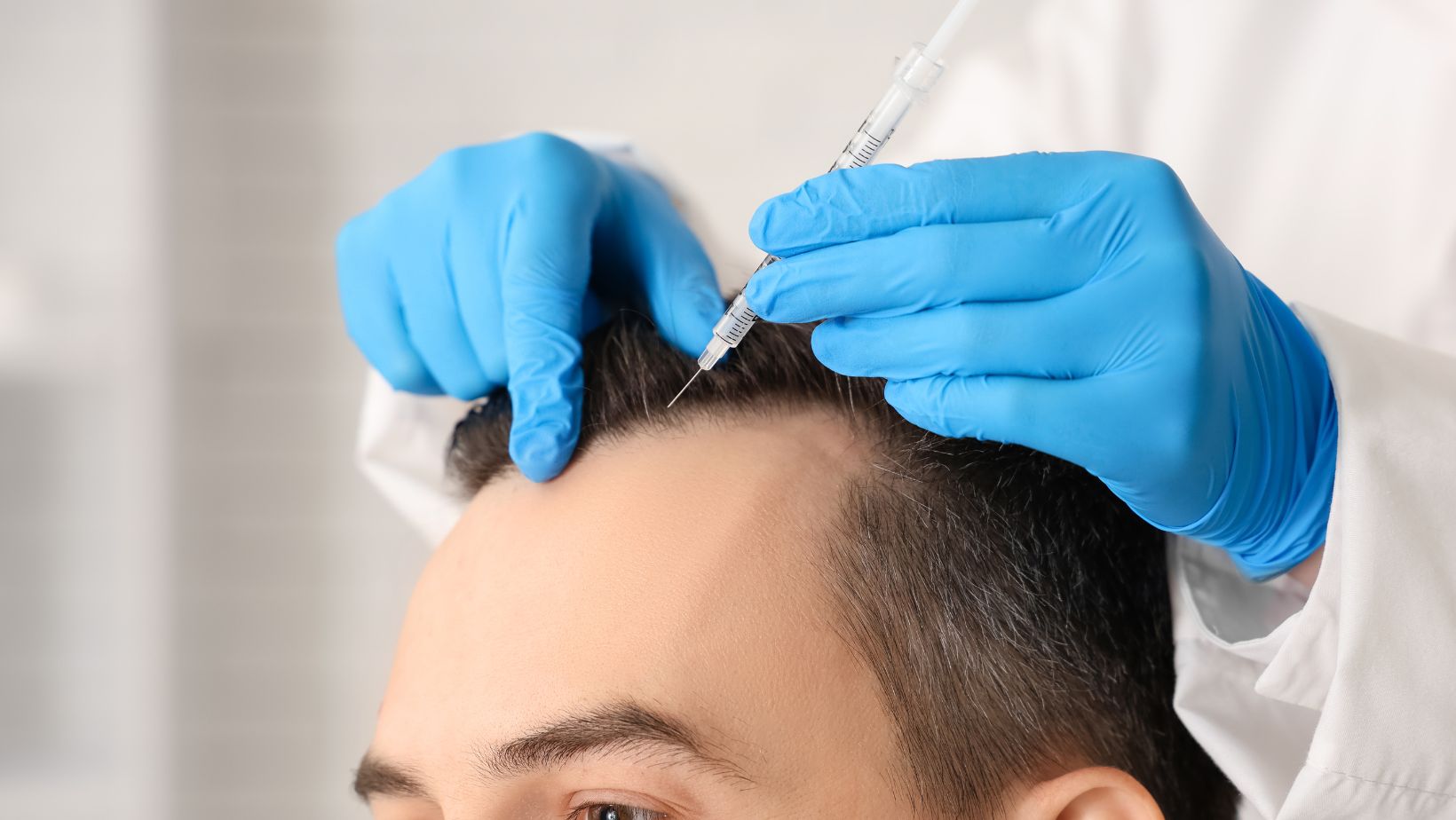
These methods have been studied and shown to have potential benefits for hair growth. For example, a 2014 study published in the Journal of Lasers in Medical Sciences found that LLLT significantly increased hair density and thickness in men with androgenetic alopecia (male pattern baldness). Another study published in the International Journal of Trichology in 2017 found that LED light therapy improved hair thickness and density in women with androgenetic alopecia.
Benefits of Hair Growth Devices
While the effectiveness of hair growth devices may vary from person to person, they offer several potential benefits. These include:
- Non-invasive: Unlike hair transplant surgery or other invasive procedures, hair growth devices are non-invasive and do not require any incisions or injections. This makes them a safer and less painful option for those seeking to improve their hair growth.
- Convenient and Easy to Use: Hair growth devices are typically designed to be used at home, making them a convenient option for those who do not have the time or resources to visit a hair clinic regularly. They are also easy to use, with most devices requiring only a few minutes of treatment per day.
- Can be Used for Various Types of Hair Loss: Hair growth devices can be used for different types of hair loss, including androgenetic alopecia, telogen effluvium, and alopecia areata. This makes them a versatile option for people with different types of hair loss.
- May Improve Overall Scalp Health: Hair growth devices not only target the hair follicles but also improve blood circulation and nutrient delivery to the scalp. This can lead to overall improvement in scalp health, which may contribute to better hair growth.
Conclusion
While hair growth devices may not be a miracle cure for hair loss, they can offer potential benefits for those looking to improve their hair growth. It’s important to consult with a healthcare professional before using any hair growth device, as they can provide personalized recommendations and monitor your progress. Additionally, it’s important to be consistent with the use of these devices and follow the manufacturer’s instructions for best results.