

Science relies on clearly articulated results that explain how the body works, how diseases spread, and how treatments bring about change.
One of the most reliable tools in modern laboratories is the ELISA kit. Because these kits are simple to use, highly dependable, and highly effective, they are used every day in both immunology and biotechnology. They aid scientists in detecting and measuring substances not visible to the naked eye, such as hormones, proteins, and antibodies. This, in turn, enables researchers to study immune reactions, track infections, and test the effects of new drugs with accuracy.
This ELISA method has become a standard part of laboratory testing because it yields highly consistent and reproducible results with confidence. It bridges research and medicine by turning complex biological information into clear data that supports diagnosis and discovery.
This article explores why ELISA kits are widely used and why they remain vital in scientific work today.
1. Give Fast and Reliable Results
Time certainly is a factor in most tests. It is in this way that doctors and scientists obtain results for making informed decisions at the right time. Elisa kits generally give clear results within a rather short period. This process is fairly straightforward: a sample is added to a small plate that has been treated with a specific antibody; if the target substance in the sample is present, it binds to that antibody. After several simple steps involving reagents, a color change indicates the result.
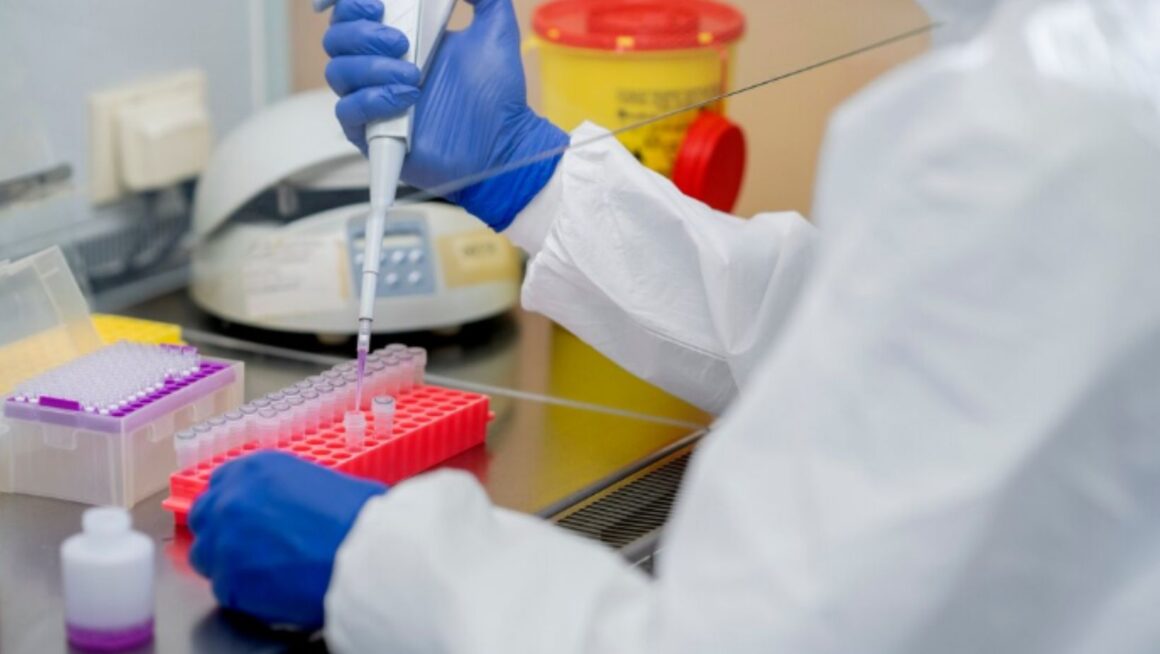
The intensity of the color gives the quantity of the target present. The procedure is simple and does not require sophisticated equipment. Hence, time and money can be saved. Multiple samples can be handled simultaneously without affecting accuracy.
The speed and reliability inherent in the ELISA kit have made it an indispensable part of laboratory work. Whether one tests blood samples for infection or the level of protein in a study, results are consistent and trusted.
2. Help Detect Diseases Early
Early detection saves lives, and in most hospitals and research centers, the ELISA kits are employed in the early detection of diseases before the onset of serious symptoms. Some kits can detect antibodies or antigens associated with infections, autoimmune disorders, and some types of cancer.
With the application of the ELISA method, doctors can confirm whether the patient’s immune system has been exposed to a virus or bacteria, allowing for earlier treatment. Testing for viral infections or hormonal imbalances can be done using just a few drops of blood, for example.
This is similar to how the same method works in research, as it helps trace the changes in the body’s response to new treatments and vaccines. It is a safe and gentle method for monitoring immune responses. Since ELISA tests are highly sensitive, even minute amounts of a substance can be detected, making them one of the most reliable tools for early diagnosis and monitoring.
3. Support Vaccine and Drug Research
In biotechnology, understanding how the body responds to a specific medicine or vaccine is crucial. Elisa kits are important for measuring such reactions in a controlled and precise manner. Therefore, when developing a new drug, it is essential to understand how it will affect various types of proteins and immune cells. Elisa testing is about providing that data.
Vaccine studies utilize the ELISA kits to determine whether the vaccination results in an immune response. Scientists can measure the levels of antibodies produced after vaccination administration. This indicates that the vaccine is eliciting the expected immune response.

This simple test has helped hasten discoveries and confirmed the safety of many treatments. Since ELISA kits can be adapted to test a wide range of targets, they are flexible tools that fit many types of research, from hormone testing to the study of cell signaling..
4. Offer Easy Handling and Reproducibility
Most laboratory work involves intricate stages; the ELISA kit further simplifies this process. ELISA kits are prepackaged and ready to use, containing all the necessary reagents for running the test. The instructions are very straightforward, and most trained technicians can perform the procedure.
Each kit has a set of specific plates, reagents, and buffers. This is standardized even to the point where results can be replicated, provided the conditions are the same. This is particularly important for research, as even a minor error can significantly impact the outcome.

Other advantages are that ELISA kits are very stable and can be stored for long periods without any loss in performance. This is very important for practical use at every level of the laboratory, from universities to hospitals..
5. Cost-Effective and Versatile
Diagnosis and research can be very expensive. However, the ELISA kits are designed to strike a balance between quality and cost. They don’t require large, advanced machinery or highly specialized skills, so even smaller labs can afford them.
Their versatility adds even more value. The kit has several applications, including food safety, veterinary studies, and monitoring environmental conditions. Food may contain toxins, products may have allergens, and contaminants in water can be detected.
This wide range of use shows the adaptability of the ELISA method. With only small adjustments, the same principle is applied to test for completely different substances.
Final Thought
Elisa kits have established themselves in immunology and biotechnology as a cornerstone in these fields. Advantages they provide include simplicity, speed, and accuracy. They enable the study of the body’s reaction, the early detection of diseases, and the testing of new treatments in a safe manner.
The ELISA kit continues to shape modern science by offering reliable tools that help both doctors and researchers. Its widespread use demonstrates how a clear and efficient method can transform the way we understand health and biology.