
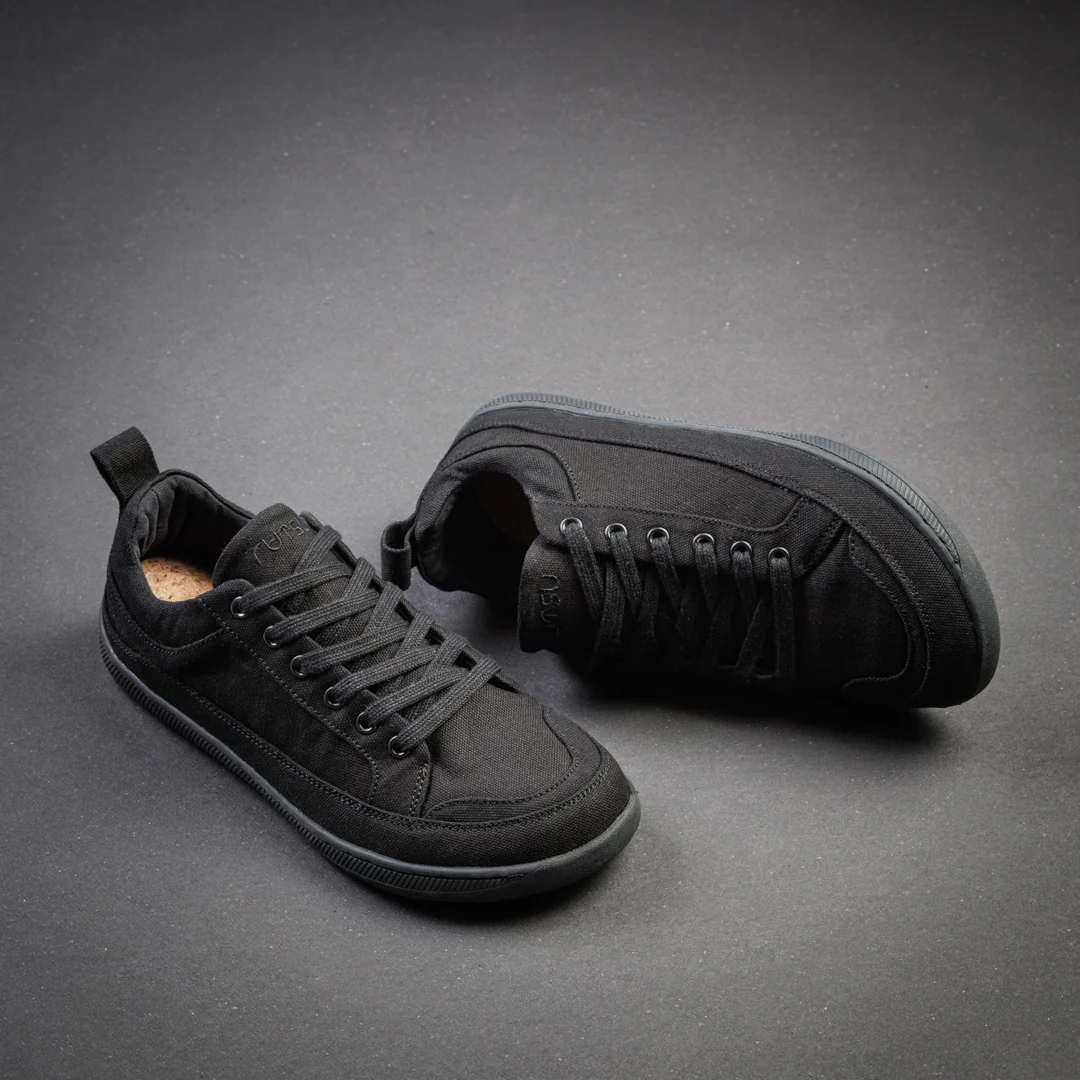
You know that moment when you get home, kick off your shoes, and sigh like you just dropped a backpack full of bricks? That’s your feet complaining about your footwear, not your workload. Many people find relief when they switch to barefoot work shoes that support natural movement, grounded comfort, and a clean, modern style.
Why Long Workdays Demand Better Footwear
Long shifts expose every flaw in your shoes. Stiff soles, raised heels, and narrow toe boxes may look sharp, but after a few hours, they can twist your posture, tighten your calves, and leave your toes feeling like they spent the day in rush-hour traffic.
Sagi, a guitarist and footwear-industry veteran, learned this on tour. Night after night, he walked off stage with burning feet and the same thought: “I can’t keep doing this.” Instead of changing careers, he focused on footwear that feels natural for long sets, long shifts, and long walks home.
A level platform lets your body stack easily, a roomy forefoot gives your toes space to spread and grip, and a flexible sole lets your feet read the floor instead of fighting it.
Key Features of Healthy, All-Day Shoes
You don’t need technical charts to choose better footwear. Look for a few key details:
- Flexible sole that bends with your foot.
- Zero-drop platform so heel and forefoot sit at the same height.
- Wide toe box that lets toes splay and stay active.
- Lightweight build to cut down on that heavy-leg feeling late in the day.
Together, these features can support balance, posture, and natural foot strength while still working with jeans, chinos, or a relaxed blazer.
Why Barefoot-Style Work Shoes Feel So Different
Modern barefoot work shoes are built for people who move constantly but need to feel grounded and stable throughout their day. Designs like Rutsu Barefoot Shoes draw inspiration from a Japanese philosophy that connects rootedness with balance—the idea that true stability comes from feeling, not blocking, what’s beneath you. Instead of a thick block of foam that numbs your connection to the ground, you get a thinner, more flexible sole that lets you sense subtle shifts in texture and terrain.
That heightened awareness might sound minor, but it translates into real control when you’re navigating a packed subway platform, moving quickly through a busy clinic, or holding your position on a loud stage under hot lights. Your feet become active participants in balance rather than passive passengers, turning every surface into feedback that keeps you centered and responsive. The difference isn’t just comfort—it’s confidence in how your body handles the unpredictable rhythm of a long workday.
How to Choose the Right Pair for Your Workday
The right pair depends on where you spend your time and what your workplace expects.
- Office or business-casual
Choose minimalist sneakers or lace-ups in neutral shades. They should sit neatly with smart denim, chinos, or soft tailoring without screaming “gym day.” - On-your-feet all day (hospitality, healthcare, retail)
Prioritize flexibility and durability. A thin yet tough outsole, reliable grip, and easy-to-clean upper help when spills, fast turns, and surprise overtime are part of the job. - Performers and creatives
Look for clean lines and subtle details backed by a wide toe box and flat platform. Whether you’re on stage, in a studio, or shuttling between gigs, your shoes should move with you and never steal focus.
If you’re new to this style, ease in. Rotate your new pair into your week for a few hours at a time and give your muscles time to adapt.
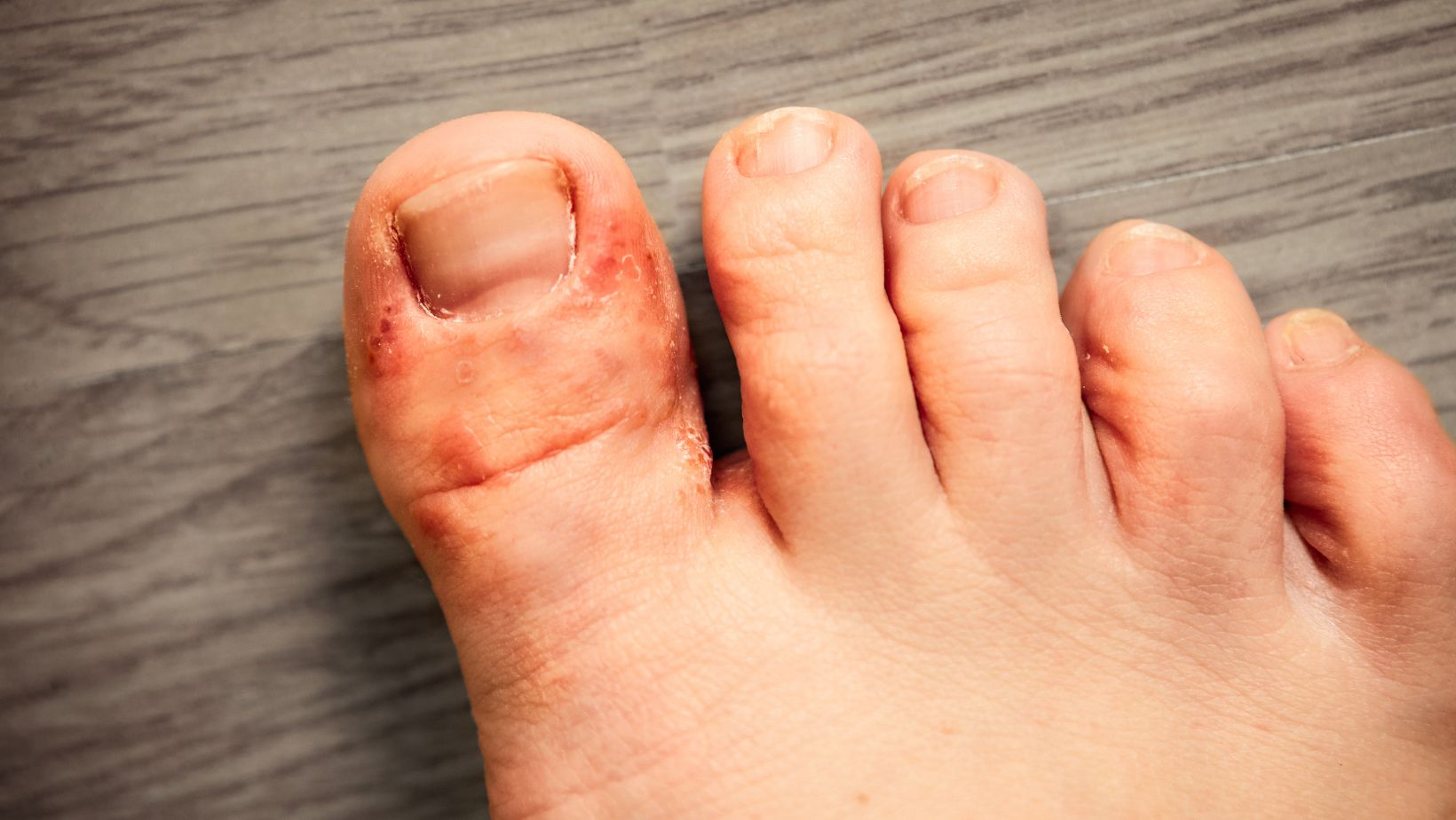
Step into Grounded Comfort
Long workdays don’t have to end with you peeling off your shoes in the hallway and promising yourself you’ll “find better ones someday.” Choosing thoughtfully designed barefoot work shoes can change how you stand, walk, perform, and even how you feel when you finally sit down. When your footwear supports natural movement and simple, everyday style, each step of your workday can feel more grounded, more relaxed, and a lot more like you.
FAQs: Barefoot Shoes for Long Workdays
Are barefoot shoes good for long hours on my feet?
They can be excellent for extended wear, especially when they combine a flexible sole, level base, and roomy toe box. Barefoot shoes engage your foot muscles actively rather than relying on passive cushioning. While traditional padded shoes can feel comfortable initially, they often lead to fatigue as your feet remain static. Barefoot designs encourage natural movement and circulation, which many people find reduces end-of-day soreness. The key is transitioning gradually—your feet need time to build strength before handling ten-hour shifts.
Can I wear this style in a business-casual office?
Absolutely. Modern minimalist designs like Rutsu Barefoot Shoes have evolved beyond the technical look of early barefoot footwear. Clean sneakers and refined lace-ups pair naturally with chinos, dark jeans, or casual dress pants. Many styles come in neutral colors like black, grey, or tan that work across different office environments without looking overly athletic or informal.
How long does it take to adapt to barefoot-style footwear?
It varies based on your starting point and transition pace. Some people feel comfortable within a week; others need a month or two. If you’ve spent years in heavily cushioned shoes, your feet and calves will need time to rebuild strength. Start with an hour or two daily, then increase gradually. Mild muscle fatigue is normal, but sharp pain means you’re pushing too fast.
Will barefoot shoes help with the foot pain I already have?
It depends on the source. Many find relief from plantar fasciitis, bunions, or general fatigue because barefoot shoes allow natural toe splay and proper weight distribution. However, if your pain stems from structural issues or medical conditions, consult a podiatrist first. The transition period can temporarily increase discomfort as your feet adjust.
Do I need to change how I walk in barefoot shoes?
Not consciously—your gait will shift naturally over time. Without elevated heels, you may land more on your midfoot or forefoot rather than striking hard with your heel. This adjustment usually happens organically as your body responds to better ground feedback. Stay relaxed and let your feet move naturally rather than overthinking your stride.