
Cataract surgery in Buffalo is not just a medical procedure. For many people, it is the turning point between getting by with cloudy vision and enjoying a clearer, more confident life. Understanding how cataracts form, how surgery works, and what to expect before and after can make the whole experience much less intimidating.
When Everyday Tasks In Buffalo Start Looking A Little Too Blurry
Cataract surgery in Buffalo usually begins with something simple. Street signs seem harder to read at dusk. Headlights on the 90 or the 290 feel uncomfortably bright. A book or recipe that used to be easy to read now feels like a chore.
Cataracts develop gradually for most people, so the early changes are easy to explain away. Many people assume they just need a new glasses prescription. When stronger glasses stop helping, and everyday activities feel more tiring, that is often the moment when it is time to think seriously about cataract surgery.
On a health-focused site that values practical tips, this is the key message. If vision changes are forcing you to change how you live, not just how you read an eye chart, it is worth asking an ophthalmologist about cataracts.
What A Cataract Really Is And Why It Sneaks Up With Age
Cataracts form when the normally clear lens inside your eye becomes cloudy. Proteins in the lens start to clump and scatter light instead of letting it pass cleanly to the retina. Age is the most common cause, but cataracts can also be linked to medical conditions like diabetes, eye injuries, long-term steroid use, or a strong family history.
Most people start to develop early lens changes in their 40s and 50s, although symptoms may not become obvious until later in life. The process is slow, which is why many patients are surprised when they finally hear the word “cataract,” even though they have been adapting to subtle vision changes for years.
At ECVA Eyecare, Daniel M. Cotter, MD, sees both routine and complex cataract cases, including patients who also have glaucoma, macular degeneration, or diabetic retinopathy. That combination of cataract expertise and broad medical eye care is especially important for older adults who often have more than one eye condition at the same time.
Early Cataract Symptoms You Should Not Ignore Anymore
Cataract surgery in Buffalo is most helpful when it is timed to the patient’s life, not just to what the microscope shows. Some of the warning signs that cataracts are starting to interfere with daily life include vision that feels foggy rather than simply out of focus, bright glare or halos around headlights at night, colors that look faded or yellowed, frequent prescription changes for glasses or contacts, and feeling less steady when walking because obstacles are harder to see.
These symptoms overlap with other eye problems, which is why a full dilated eye exam matters. Recognizing patterns early lets you and your doctor plan instead of waiting for a crisis.
One useful way to think about this is simple. When cataracts make you avoid activities that used to bring joy, walking on an icy Buffalo sidewalk, driving to see family, reading in the evening, they have become a health problem, not just an inconvenience.
How Cataract Surgery Restores Clear Sight Step By Step
Modern cataract surgery is one of the safest and most effective operations in all of medicine. Large studies show that more than 90 percent of cataract surgeries successfully restore useful vision with a low complication rate and a rapid return to daily activities. Some reports place the overall success rate closer to 98 percent for uncomplicated cases.
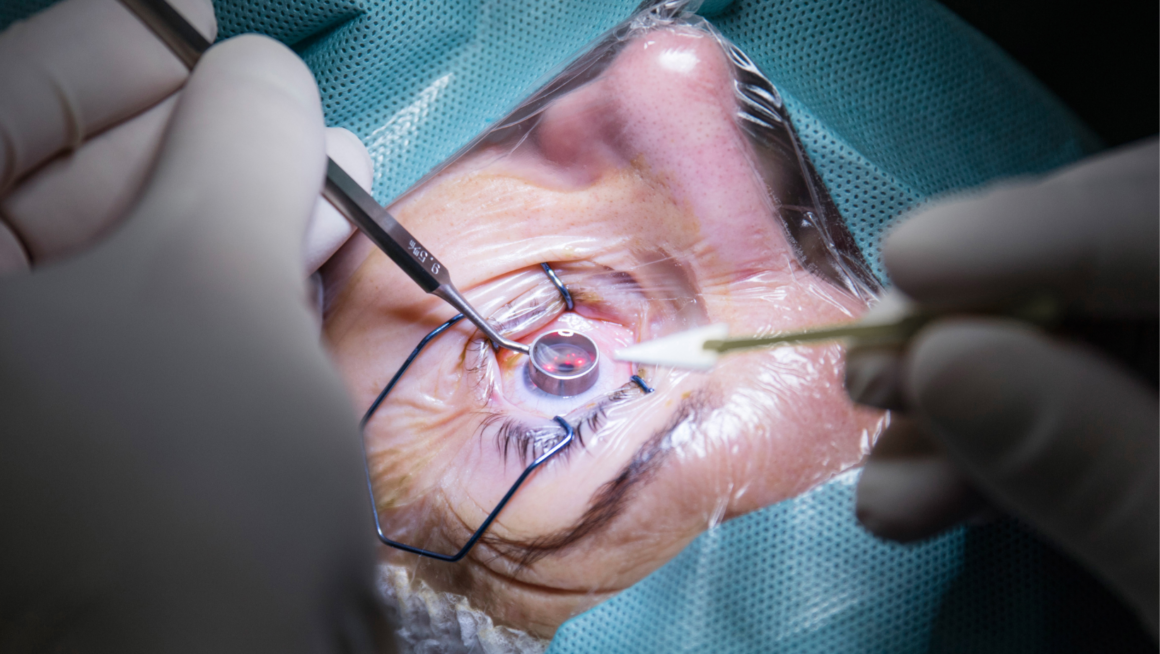
In traditional cataract surgery, a surgeon uses a fine blade to create a tiny opening at the edge of the cornea. Through this opening, the cloudy natural lens is broken into small pieces using ultrasound energy and gently removed. A clear artificial lens called an intraocular lens is then placed inside the same capsule that held the original lens. Once the lens is in place, the incision usually seals on its own without stitches.
At ECVA Eyecare, surgeons also use laser-assisted techniques such as the CATALYS Precision Laser System. The laser can create extremely precise incisions and soften the cataract, which can reduce the amount of ultrasound energy required. That can lead to more predictable results and a smoother recovery for many patients.
From the patient’s point of view, cataract surgery is usually an outpatient procedure that takes only minutes per eye with numbing drops and light sedation, so there is no need for general anesthesia. Most people notice an improvement in vision within a day or two, even though full healing takes a bit longer.
The Intraocular Lens Choice That Shapes Your “New” Vision
Cataract surgery in Buffalo is also a rare chance to rethink how you use your eyes every day. The clouded natural lens must be replaced by an intraocular lens, and that lens can do more than simply restore basic clarity.
Standard monofocal lenses are typically set for clear distance vision, which means many people still need reading glasses for close tasks. Premium lenses allow for more flexibility. Multifocal and extended depth of focus lenses can provide vision at multiple distances. Toric lenses can correct astigmatism, which is a common cause of blurred vision related to an irregular cornea.
Chicago Arbor Eye Institute was among the first to implant diffractive multifocal lenses and to participate in FDA studies of light-adjustable and advanced toric intraocular lenses. That sort of trailblazing work in lens technology has helped shape how cataract surgery is performed across the country and explains why ECVA Eyecare carefully discusses lens options with each patient before surgery.
Choosing a lens is less about “best” in general and more about which vision trade-offs fit your life. Someone who reads constantly might choose differently from someone who drives long distances at night or spends most of the day on a computer.
Why Many Western New Yorkers Trust ECVA Eyecare For Cataract Surgery
ECVA Eyecare brings together board-certified ophthalmologists who manage everything from routine cataracts to complex eye disease. Daniel M. Cotter, MD, completed his medical training and residency in Buffalo and is certified by the American Board of Ophthalmology. His clinical focus includes cataracts, glaucoma, macular degeneration, diabetic retinopathy, and eyelid and tear drainage disorders.
That depth of experience matters when a patient has more than one condition influencing their vision. Cataract surgery in a healthy eye is already a delicate operation. Cataract surgery in an eye with glaucoma, corneal disease, or diabetic changes requires even more careful planning.
As Dr Cotter notes, “At ECVA Eyecare, our goal with cataract surgery is always the same. We want to restore clear, comfortable vision in a way that fits each patient’s health history and daily life rather than forcing everyone into a single template.”
For many Buffalo residents, there is also comfort in knowing that surgery is performed with familiar staff and continuity of care before and after the procedure rather than being handed off to a separate surgical team.
How To Prepare Your Mind, Body, And Home For Surgery Day
Good preparation is one of the simplest ways to improve how cataract surgery feels from start to finish. In the weeks before surgery, your eye care team will measure your eye to calculate the correct intraocular lens power. They will review your medications, talk about any blood thinners you use, and give you clear instructions about which drops to start before surgery.
On the practical side, it helps to arrange a ride home, stock your kitchen with easy meals, and set up a comfortable resting area with good light and any needed supplies within reach. Many people find it useful to make a simple chart for their eye drop schedule so they can easily track when each medication is due.
The day before surgery, you will usually be asked to avoid makeup or lotions around the eyes and to follow specific instructions about eating or drinking. On the day itself, the surgical team will review everything again, confirm the correct eye, and help you feel comfortable before you enter the operating room.
Life After Cataract Surgery In Buffalo And When To Call Your Doctor
Most patients notice clearer vision very quickly after cataract surgery, although mild blurriness, light sensitivity, and a gritty sensation in the eye are common during the first few days. Your surgeon will ask you to use prescribed eye drops to limit inflammation and prevent infection, and to avoid heavy lifting, swimming, or rubbing the eye while it heals.
For many Buffalo patients, the first real milestone is driving again at night and seeing headlights and street signs with new clarity instead of glare and halos. Another is reading or using a phone without feeling like the letters are swimming or fading.
It is important to keep all scheduled follow-up visits even if you feel great. These exams allow your eye doctor to check the intraocular lens position, monitor eye pressure, and confirm that healing is on track.
You should call your ophthalmologist right away if you notice severe pain that does not improve with recommended medication sudden drop in vision, increasing redness, or many new floaters or flashes of light. These symptoms are uncommon but can signal complications that require urgent attention.
For anyone trying to live a healthier life, vision is not a luxury. It is a foundation for staying active, engaged, and independent. Cataract surgery in Buffalo offers a highly successful way to protect that foundation so you can keep reading the small print, walking confidently on snowy sidewalks, and seeing the faces you love with clarity for years to come.