
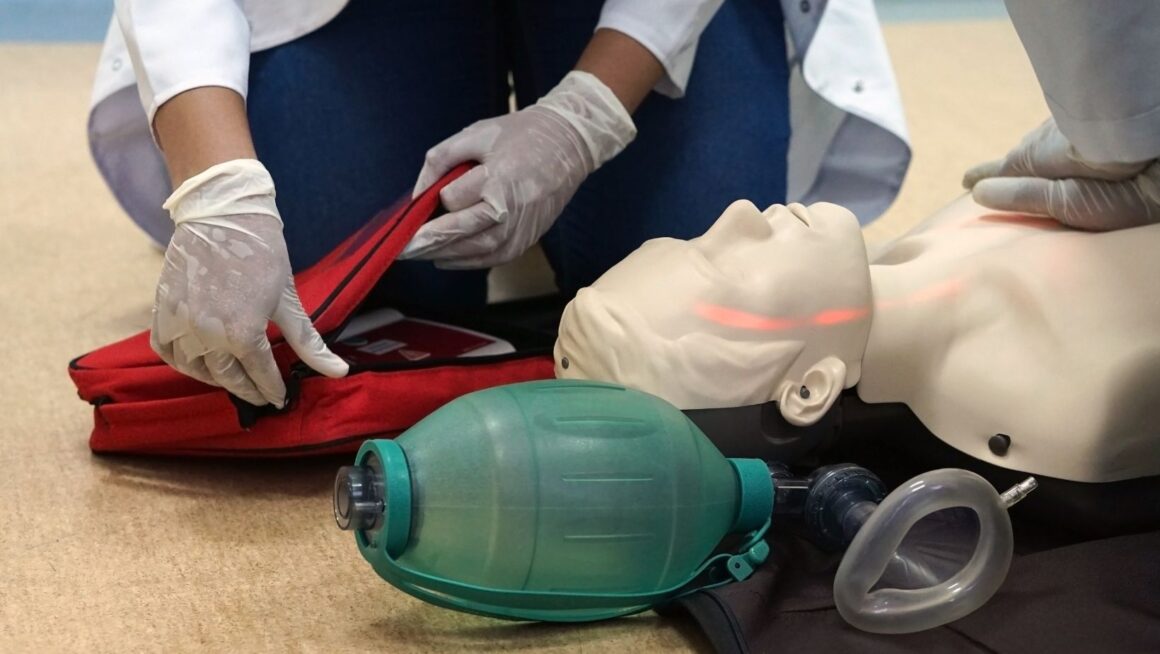
Workplaces are not immune to medical emergencies. More than 356,000 out-of-hospital cardiac arrests (OHCA) occur every year in the United States, with nearly 90 percent proving fatal. Even today, when emergency medical services respond to a cardiac arrest, only about one in ten people make it out of the hospital alive. That number alone should be enough to illustrate the importance of training staff to respond rapidly and confidently in critical moments.
Offering an Advanced Cardiovascular Life Support course in occupational and corporate clinics equips staff to respond quickly and confidently during medical emergencies, trained to take lifesaving action before emergency responders arrive. Instead of feeling unsure or waiting for external help, they are trained to take action right away.
This article outlines what the ACLS course includes and how it equips clinics to handle critical situations effectively.
What Is Advanced Cardiovascular Life Support (ACLS)?
Advanced Cardiovascular Life Support (ACLS) is a professional training program that teaches healthcare staff how to recognize and manage serious heart-related emergencies such as cardiac arrest, stroke, or irregular heart rhythms. Based on American Heart Association (AHA) guidelines, it blends medical knowledge with hands-on practice, helping responders stay focused and make the right decisions.
Why Occupational Clinics Benefit Most from ACLS Training
Occupational clinics often deal with everything from routine health checks to sudden emergencies. When a worker collapses or shows signs of a heart issue, the clinic is usually the first place they are taken. The Advanced Cardiovascular Life Support course helps staff recognize danger early, stabilize the patient and work smoothly with ambulance crews when they arrive. Acting fast in those first few minutes can make a major difference in whether someone recovers. ACLS training helps staff stay calm and take the right steps instead of hesitating.
It also builds trust. When employees know their clinic is prepared for serious situations, they feel safer at work. For organizations, it’s a practical way to meet safety standards while showing genuine care for their people. It shows that the company values its people and is prepared to protect them when it matters most.
The Lasting Benefits of ACLS Training
What your team learns from the Advanced Cardiovascular Life Support course extends far beyond emergency moments — it strengthens the quality of care they provide every day. With time, it shapes how they think, how they work together, and how patients experience your clinic.
Smarter calls in tough moments
One of the biggest changes is confidence. Staff begin to notice early signs that something is wrong and know what steps to take. It might be a patient in cardiac arrest, or it could be someone who just looks a little unwell. Either way, they are less likely to hesitate.
Better teamwork every day
The group practice during training makes a difference outside emergencies too. People get used to speaking up, listening to each other, and stepping into their roles. That same habit helps during routine care, where good teamwork matters just as much.
Patients feel safer
Patients quickly pick up on how staff behave. When they see calm, steady professionals, it gives them reassurance. That sense of trust does not stay limited to crisis moments. It makes regular visits feel safer and more personal.
A clinic that is always ready
Over time, ACLS training changes the culture of the workplace. Staff carry the mindset that they can handle whatever comes through the door. That readiness spreads across the team and makes the clinic stronger as a whole.
Practical Steps to Bring the ACLS Course into Your Clinic

Getting your clinic ready for the Advanced Cardiac Life Support course can be simple if you approach it step by step:
- Start by observing how your clinic operates on a regular day. Pay attention to who naturally steps up when something urgent happens, how information moves between staff, and who would benefit most from ACLS training.
- When choosing a training provider, look for one that understands the realities of a busy clinic. Flexible scheduling makes it easier to train staff without interrupting patient care.
- Keep the training practical. Short, hands-on drills where everyone gets a chance to lead and respond are far more effective than long theory sessions.
- And once the course is done, don’t let the learning fade. Use quick refreshers during team huddles, visual cues around the clinic or small “what would you do?” scenarios to keep the team ready.
How ACLS Training Builds Safer Clinics
Cardiac emergencies at work can happen without warning, but clinics can still be prepared. When staff complete the Advanced Cardiovascular Life Support course, they are able to step in with lifesaving actions instead of waiting for help to arrive. Employees are more confident turning to the clinic when they know the team can respond in a real crisis, not just routine situations.
For readers seeking accredited programs, explore ACLS Certification and Recertification for more information. Plan your ACLS training today and give your team the knowledge and confidence to save lives when lives depend on them.