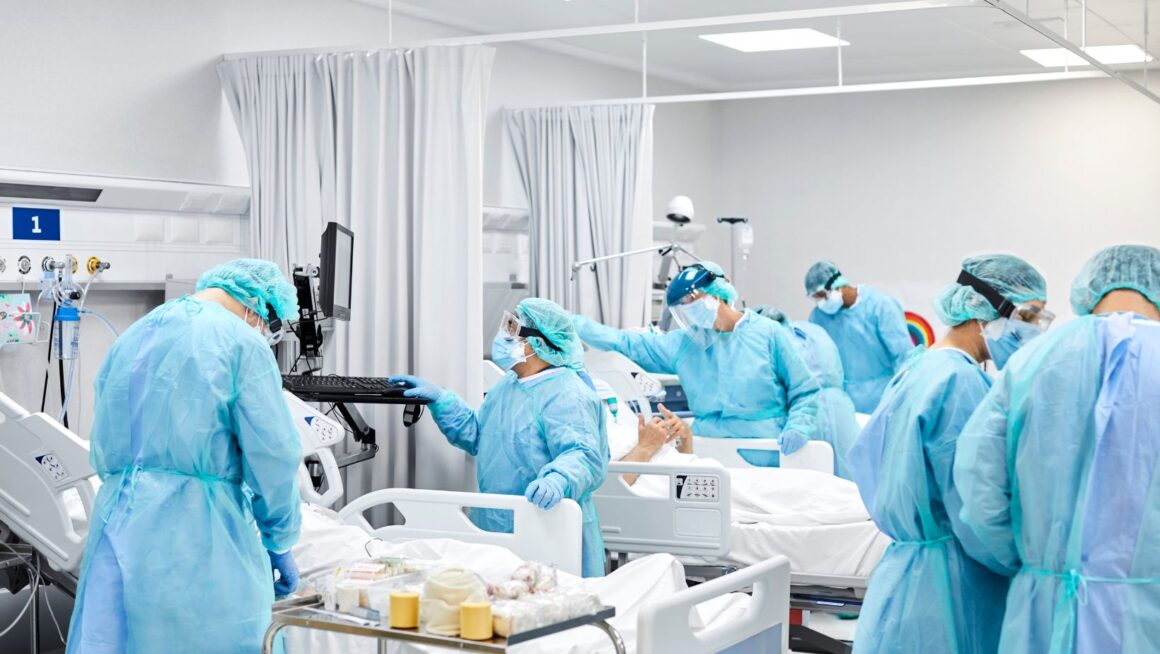
The concept of an EICU is transforming the way hospitals manage intensive care. Short for “electronic intensive care unit,” the EICU combines advanced telemedicine technology with critical care expertise to monitor and support patients in ICUs remotely. Rather than replacing bedside care, it enhances it by providing a second layer of protection through centralized monitoring and rapid-response decision-making. Here’s a breakdown of how this system functions and why it’s becoming a cornerstone of modern critical care.
Just as https://www.drthngyongxian.com/appendix-surgery-singapore/ showcases how medical advancements enable safer and more efficient patient care, the EICU model demonstrates how technology can revolutionize critical care delivery and outcomes.
What Makes an EICU Different
An EICU relies on a centralized operations center, usually staffed with intensivists (critical care doctors), nurses, and other specialists who oversee a network of hospital ICU beds from afar. These professionals can view patients’ vital signs, test results, and real-time video feeds through a secure system. They also use sophisticated software that flags abnormalities, such as unstable blood pressure or irregular heart rhythms, which might otherwise be missed between routine bedside checks.
The difference lies in the “always-on” model. In an EICU, patients are continuously observed, and alerts are sent instantly to the remote team if any value falls outside safe parameters. This allows for quicker responses and supports the bedside team, especially in hospitals with limited critical care resources.
How Technology Powers Remote Oversight
At the heart of the EICU system is its tech infrastructure. ICU beds are equipped with sensors, monitors, and communication tools that feed data into the command center. High-definition cameras allow the remote team to visually assess patients and even participate in rounds by speaking with bedside staff or patients via two-way audio.
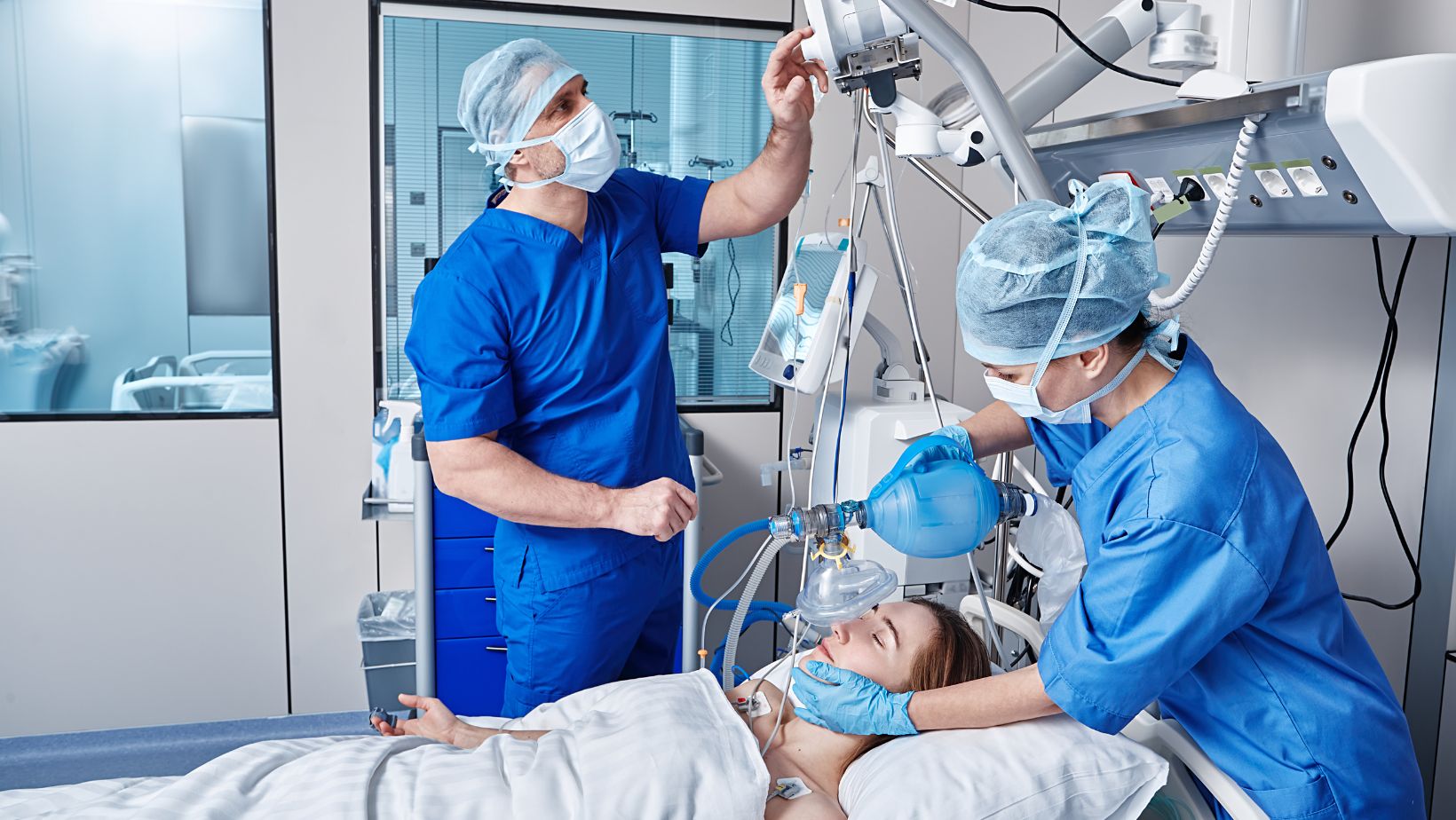
Software algorithms analyze incoming data to identify trends and potential deterioration. For instance, if a patient’s oxygen levels are dropping, the system can generate a real-time alert for the remote team to intervene—or notify bedside staff immediately. These predictive analytics help in managing complex patients with multiple risk factors.
Collaboration Over Replacement
A common misconception is that EICUs aim to replace in-person care. In truth, they supplement it. The remote team doesn’t take over decision-making from bedside clinicians but collaborates with them to ensure continuity and enhance safety. This partnership model reduces physician burnout, especially during night shifts, by distributing the workload and offering backup when on-site staff are handling emergencies.
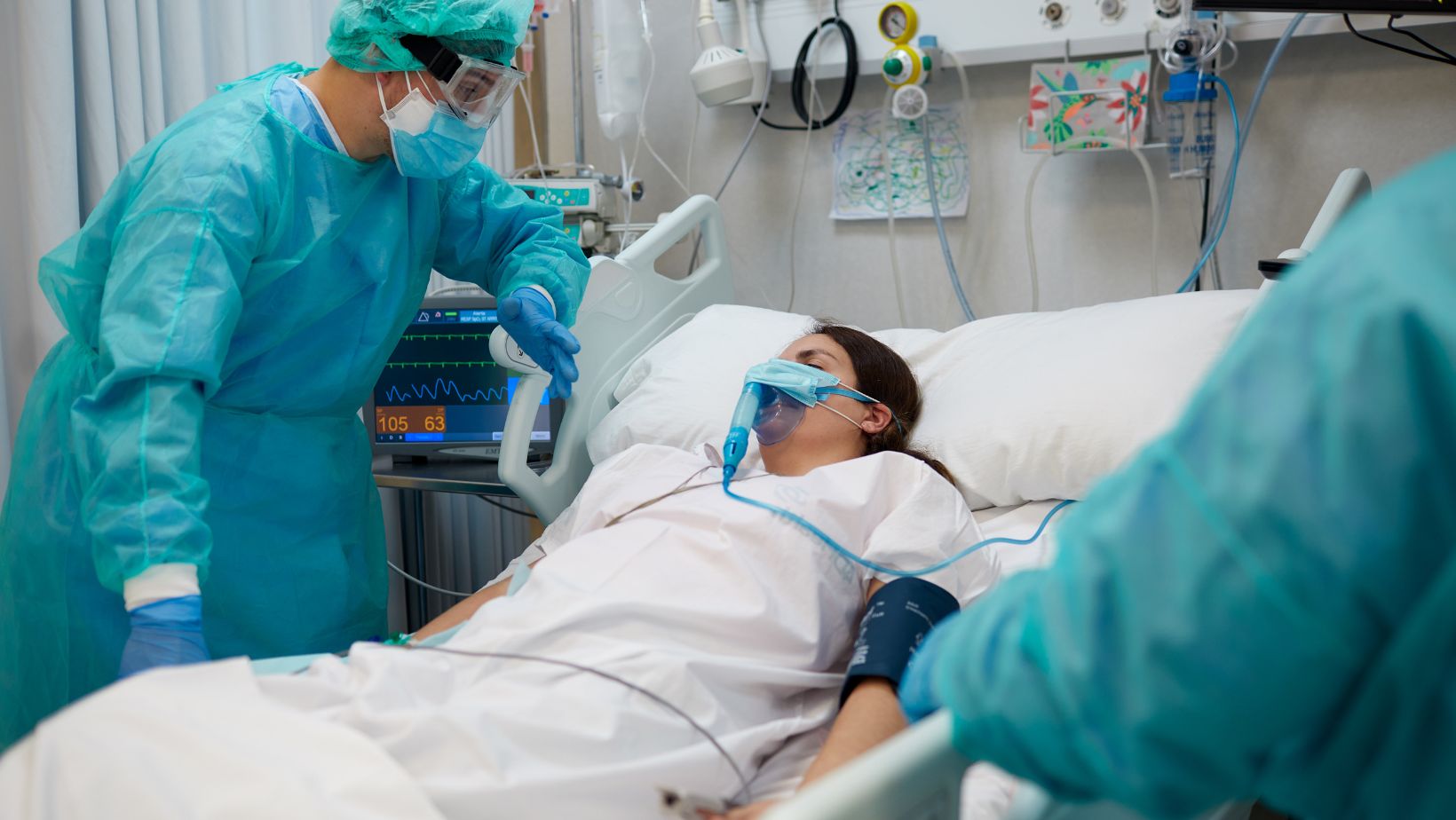
EICUs also extend critical care support to rural or smaller hospitals that might lack 24/7 intensivist coverage. By providing expert consultation remotely, these facilities can maintain high-quality ICU care without transferring patients unless absolutely necessary.
Benefits for Patients and Providers
The most immediate benefit is improved patient outcomes. Studies have shown that EICU systems can lower mortality rates and reduce the length of ICU stays. The rapid intervention made possible by 24/7 monitoring can prevent complications or catch critical issues before they escalate.
From a provider standpoint, EICUs streamline workflow and reduce decision fatigue. Hospitals can better allocate resources and ensure that critical care expertise is available around the clock. During surges like the COVID-19 pandemic, EICUs helped overwhelmed systems maintain oversight of large numbers of patients with fewer personnel physically present in high-risk environments.
Conclusion
As healthcare continues to evolve, the EICU model offers a scalable solution for high-quality intensive care across different settings. By combining the power of technology with human expertise, it represents a new frontier in patient monitoring and critical care coordination, one where distance is no longer a barrier to rapid, lifesaving intervention.