
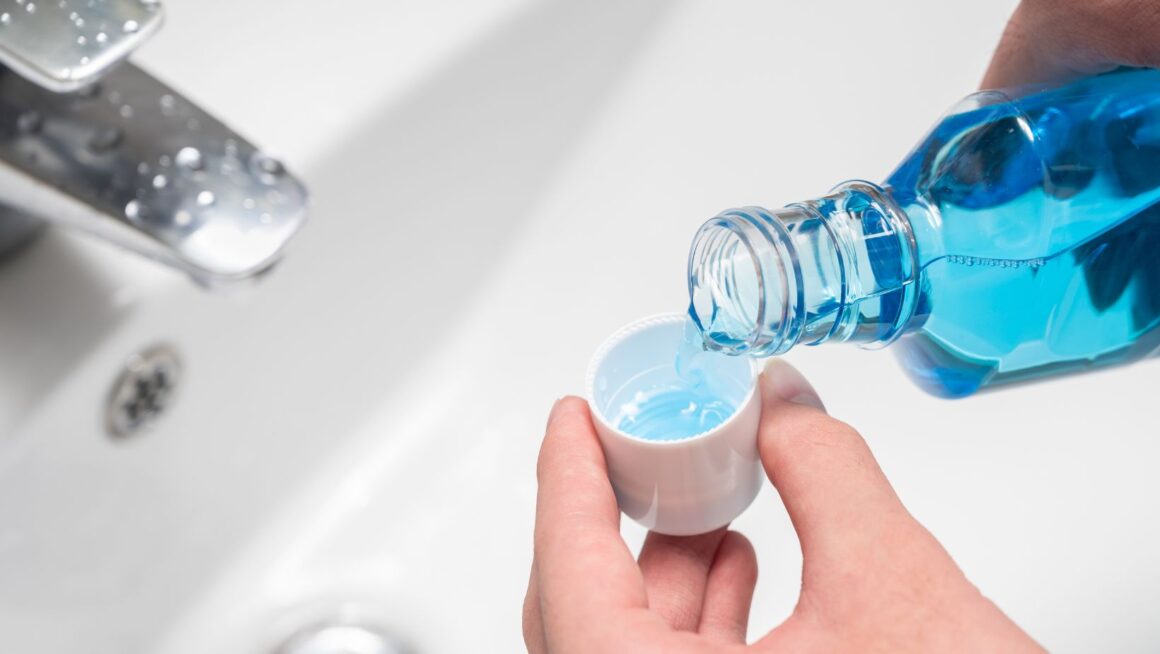
In a world where convenience often wins, it’s no surprise that many people wonder whether mouthwash could replace brushing and flossing altogether. After all, it’s quick, easy, and leaves your mouth feeling fresh. But when it comes to maintaining long-term oral health, the answer is more nuanced — and far more important — than a simple yes or no.
Understanding what each part of your oral care routine actually does can help you make better decisions for your teeth and gums, and avoid problems that may require professional treatment down the track.
The Role of Brushing and Flossing in Oral Health
Brushing and flossing are the foundation of good dental hygiene. Each plays a distinct and essential role.
Brushing your teeth twice a day helps remove plaque — a sticky film of bacteria that constantly forms on tooth surfaces. If plaque isn’t removed regularly, it hardens into tartar, which can only be removed by a dental professional. Plaque buildup is one of the leading causes of tooth decay and gum disease, both of which can eventually lead to more complex treatments such as dental fillings or even tooth loss.
Flossing, on the other hand, cleans the areas your toothbrush simply can’t reach. Food particles and bacteria often lodge between teeth and along the gumline, where they quietly cause inflammation, cavities, and bad breath. Without flossing, these hidden spaces become a breeding ground for oral health issues.
What Does Mouthwash Actually Do?
Mouthwash is best understood as a supporting player, not the main act. Its primary benefits include:
· Reducing bacteria in the mouth
· Freshening breath
· Delivering fluoride to help strengthen enamel
· Helping manage gum inflammation when used correctly
Some therapeutic mouthwashes can assist in controlling plaque and gingivitis, particularly for people with specific dental concerns. However, mouthwash works chemically, not mechanically. This distinction is crucial.
Why Mouthwash Can’t Replace Brushing
Brushing physically scrubs plaque from the surfaces of your teeth. Mouthwash, no matter how advanced, simply doesn’t have the ability to dislodge and remove plaque that’s firmly attached to enamel.
Think of plaque like dirt stuck to a surface. Rinsing with water (or mouthwash) might remove loose debris, but without scrubbing, most of it remains behind. Over time, that leftover plaque can lead to decay, gum disease, and staining.
Even fluoride mouthwashes, while excellent for strengthening enamel, can’t compensate for plaque that hasn’t been removed. Fluoride works best on clean teeth — not ones still coated in bacteria.
Here’s Why Flossing is Non-Negotiable
Flossing is often the most skipped step in oral care, yet it’s one of the most important. Mouthwash can flow between teeth to some extent, but it doesn’t have the precision or pressure needed to remove trapped food and plaque.
Between-teeth cavities are particularly common in people who rely on rinsing alone. These cavities often go unnoticed until they become painful or require restorative treatment. Regular flossing dramatically reduces this risk by interrupting bacterial activity before damage occurs.
Can Mouthwash Ever Replace Part of the Routine?
In certain short-term situations — such as after oral surgery, during illness, or for people with limited mobility — mouthwash may temporarily play a larger role. Dentists sometimes recommend antimicrobial rinses to help manage bacteria when brushing is difficult. However, even in these cases, mouthwash is considered a temporary substitute, not a permanent replacement. Once normal brushing and flossing can resume, they should.
The Ideal Oral Care Routine
Rather than asking whether mouthwash can replace brushing and flossing, a better question is how it can complement them.
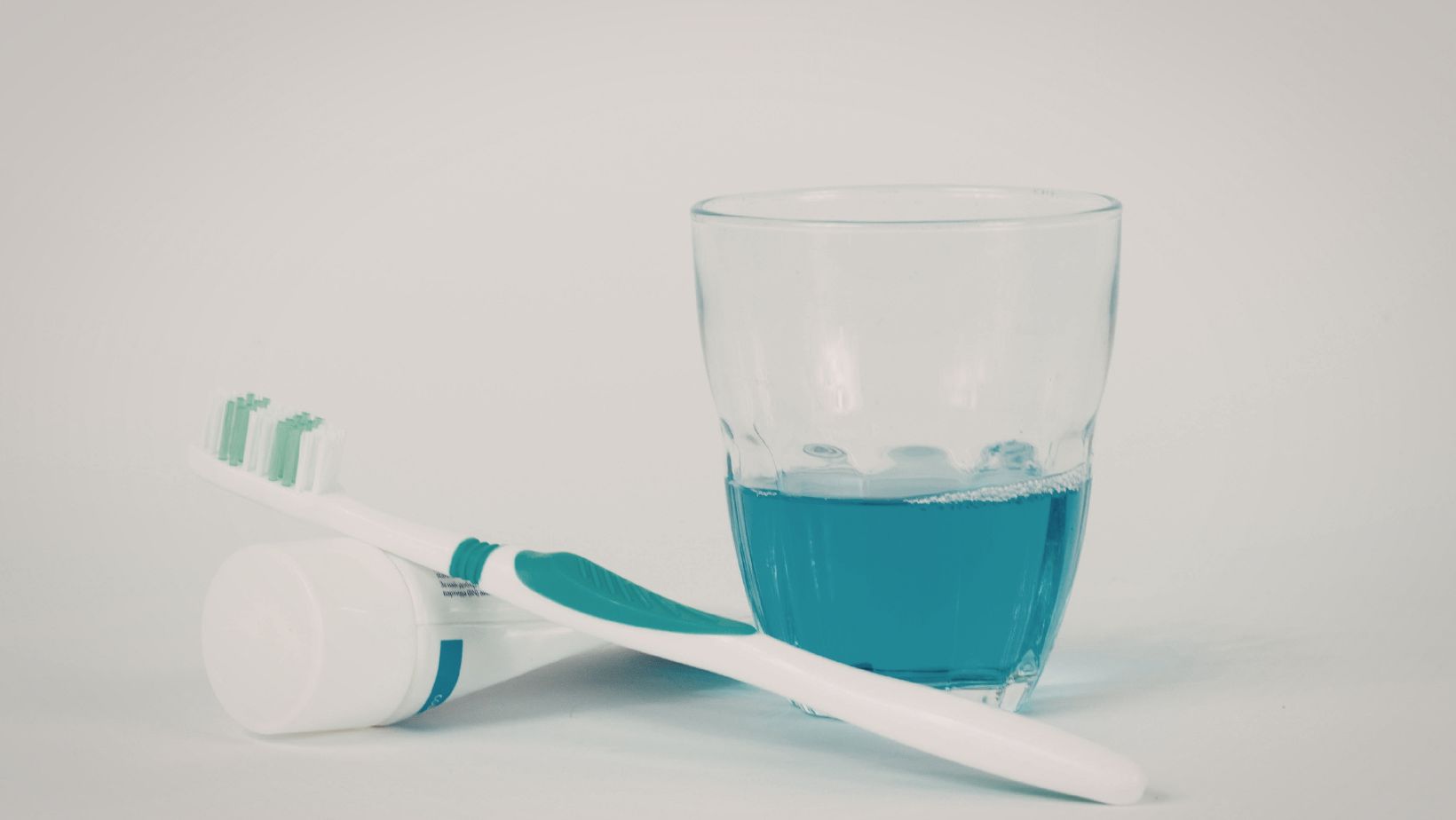
A well-rounded oral hygiene routine includes:
· Brushing twice daily with fluoride toothpaste
· Flossing once daily to clean between teeth
· Using mouthwash as an additional step for freshness, fluoride support, or gum health
· Regular dental check-ups and professional cleans
When used this way, mouthwash enhances your routine instead of masking problems that may be developing beneath the surface.
The Risks of Relying on Mouthwash Alone
Relying solely on mouthwash can give a false sense of security. Fresh breath doesn’t always mean a healthy mouth. Gum disease and decay often progress silently, without pain or obvious symptoms in the early stages.
Over time, untreated plaque buildup can lead to:
· Cavities that require restorative treatment
· Gum inflammation and bleeding
· Receding gums and bone loss
· Persistent bad breath
· More complex and costly dental procedures
Prevention is always easier, more comfortable, and more affordable than treatment.
What’s The Takeaway?
So, can mouthwash replace brushing and flossing? Simply put, no. Mouthwash is a valuable addition to your oral care routine, but it cannot replicate the mechanical cleaning action of brushing or the precision of flossing.
If you want a healthy smile that lasts, brushing and flossing remain essential habits. Mouthwash works best when it supports these practices — not when it’s used as a shortcut. By maintaining a complete daily routine and visiting your dentist regularly, you’re giving your teeth and gums the care they truly need.