
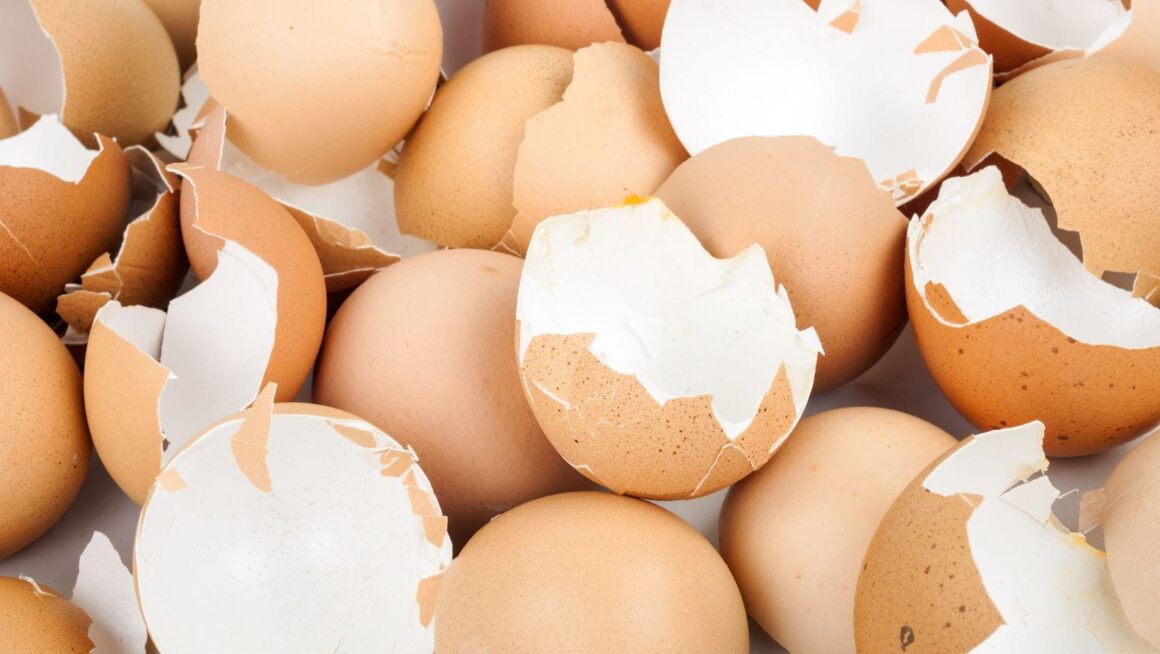
The formation of an egg is an extraordinary biological process in which the shell acts as an essential protective barrier to preserve its integrity and freshness. This structure it’s more than an aesthetic detail: it’s the first line of defence against breakage and bacterial contamination that could compromise food safety. For a farmer a fragile shell represents a direct economic obstacle: damaged or micro-cracked eggs lose their commercial value, as they cannot be sold as a first-choice product.
The nutritional pillars for strong shell structure
Shell formation occurs mainly during the night-time and is a process that requires a constant supply of calcium, a mineral that the hen draws from both her diet and her own bone reserves. However, simply increasing the amount of calcium in the feed is not enough to achieve better results, as the efficiency of this process depends on a delicate balance with other elements such as phosphorus and vitamin D3. If the ratio between these components is unbalanced, the body struggles to fix the minerals, leading to the production of porous or deformed shells that increase the risk of bacterial contamination.
To raise quality standards it is important to pay attention to the particle size of the limestone fed: coarser particles allow for a slower release of minerals, ensuring that the hen always has the necessary raw material available. In addition to minerals, the use of targeted additives such as microencapsulated organic acids and essential oils helps maintain a healthy intestinal environment, improving the bioavailability of nutrients and ensuring that the intestinal mucosa acts as an effective protective barrier.
The impact of environmental stress and temperature management
The environment in which hens live also plays a decisive role in shell strength, often acting as a silent limiting factor. The main risk is thermal stress: when temperatures exceed the comfort threshold, the animal’s body struggles to dissipate excess heat. This effort causes an alteration in the chemical balance of the blood, reducing the amount of calcium available for egg formation. It is precisely this phenomenon that explains why, during the summer months, it is more common to find eggs with thin or fragile shells, despite the diet provided appearing to be correct. To maintain the delicate balance required for calcification, optimal ventilation and constant access to fresh water are therefore very important.
Furthermore, to counteract the negative effects of the heat, many farmers choose to supplement the feed with electrolytes and specific additives capable of supporting mineral metabolism even in adverse weather conditions. Monitoring temperature and reducing sources of stress are measures which, combined with a diet tailored for the hot season, help preserve the structural integrity of the shell and, above all, the animals’ welfare.
How to measure quality and prevent common defects
For a farmer, being able to recognise the signs of a poor-quality shell promptly is essential for correcting the feeding strategy before the problem becomes systemic. There are various methods for measuring quality, ranging from visual assessment of egg cleanliness to more technical tests such as measuring breaking strength or thickness using digital calipers.
Excessively rough shells, with irregular calcium deposits or suspicious spots, may indicate not only mineral deficiencies but also problems related to digestive health. The main risk of underestimating these defects is an increase in ‘downgraded’ eggs, which lose commercial value and hygiene safety. Intervening in animal feed through the use of additives that promote the health of intestinal villi, on the other hand, allows for the optimisation of the absorption of dietary nutrients and minerals, which contribute as well to the formation of the shell matrix.
Since the deposition rate and egg quality depend on the animal’s metabolism, research has focused on how to optimize this process; for example, the Italian company Vetagro has developed cutting-edge additives that improve the digestibility of nutrients, to support egg production and quality. This precision nutrition-based approach ensures that hens produce strong and safe eggs, raising standards of efficiency and welfare across the entire production chain.
Focusing on precision nutrition and the protection of active ingredients through microencapsulation is therefore the best way to ensure that every egg produced is a small fortress of health, capable of reflecting the excellence of a modern supply chain.