Walking is much more than just exercise for seniors. Independence, sharp mental acuity & social engagement hinge on that cornerstone. As we are uncertain about movement our instinctive approach is to move less but this can lead to a negative downward spiral, with less activity leading to weaker muscles, poor balance and increased risk of falling.
Movement is the simplest and most effective prevention strategy for falls, as regular physical activity can reduce the risk of falling by up to 50%.
Why does staying active matter more than protective equipment?
Measures such as grab bars and non-slip mats are grassroot solutions for the environment but they do not tackle the deterioration of strength and balance in the aging body. For example, after the age of 30 we almost all start to lose muscle mass at the rate of about 3-5% per decade, and this rate of loss increases markedly after the 60th birthday, and a sedentary lifestyle only speeds this process along.
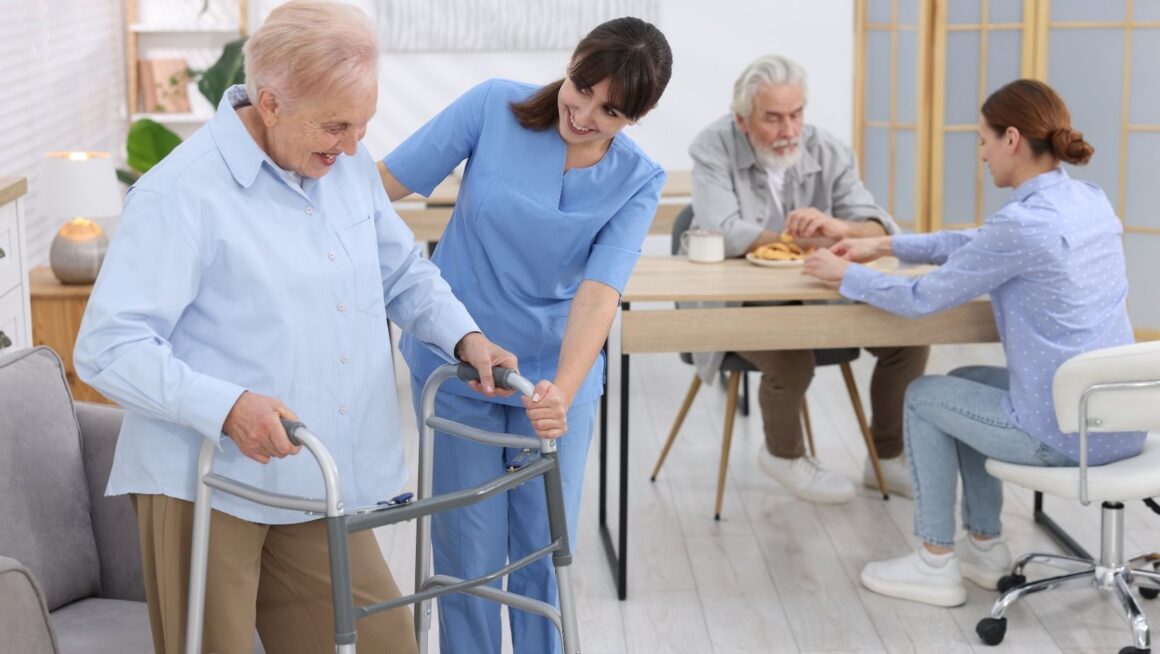
A rollator walker lets you practice this protection without becoming dependent on someone else to help you move, so you can walk further and more often than you could with old-school walkers or canes.
How does regular walking create a protective effect against falls?
When you walk, various protective networks turn on in your system, teaching your body shift weight, building strength in the stabilizing muscles of our ankles and hips, while retaining those neurological pathways that enable you to make fast balance corrections.
The latest generation rollators also promote this training, as they provide a certain amount of stability to secure the sense of security at higher walking speeds but are not stable enough that you don’t have to keep balance actively.
It’s a game changer from traditional walkers: you walk more normally, not leaning over and hunching your back, and with practice are able to take greater strides that enable getting the heart rate up while walking.
What role does mental health play in fall prevention?
Anxiety and worry about falling can become fearful in itself. Older citizens who worry about falling often curb their activity, which in turn leads to social isolation, depression and physical decline, all of which can make falling less a risk than a certainty.
When seniors are in a position to walk to corner cafes, visit with friends, or just bask outdoors, the health benefits aren’t limited to mood elevation. Less anxiety leads to better sleep, which leads to better daytime alertness and coordination.
Can mobility aids encourage dependence rather than independence?
It is this fear that leads many elderly people to refuse to use walking aids after a significant fall. Heavy, unwieldy walkers with hunching postures can teach learned helplessness. Lightweight rollators, with ergonomically-designed handles, cushy seats and easy-rolling wheels serve more as confidants.
Users say they can walk three times as far with a rollator than without any aid, and visit places they avoided for months. The built-in seat shows its worth, enabling rests that can increase the range without weariness. For one 73-year-old former teacher, her rollator was “permission to keep living normally” after knee surgery left her unsteady. Therefore, consider only knee replacement surgery Singapore to get the best possible surgion doing the process rightly for you.
How do daily routines change with supported mobility?
Keeping the mobility helps retain some of the small things that make up life when you are independent. Grocery shopping, attending worship services, visiting grandkids, and walking the dog all play important roles in providing a sense of purpose.
The ups and downs of negotiating curbs, the irregularity of sidewalks, the unsteadiness of crowded areas, and the fact that real life never comes with a steady pace make all the balance systems in the body ‘work out’ much more than formal exercise does anyway. These real-world challenges become manageable instead of risky with the use of rollators, allowing seniors to practice balance skills in functional situations.
Maintaining good mobility is very important for a real impact on wellness in life with senior health. When we can safely move daily, our bodies stay stronger, our minds stay sharper and our spirits stay high.