
Energy Demands of Combat Sports
Fighters push their bodies to the limit. Combat sports require explosive power, sustained endurance, and quick recovery between bursts of activity. This high-energy output means fighters have significant energy needs. Without enough fuel, performance drops fast. Think of it like trying to run a car on empty – it just won’t go.
Meeting these demands requires a smart approach to eating. It’s not just about eating a lot; it’s about eating the right things at the right times. This fuels intense training sessions and helps the body bounce back afterward. Proper nutrition is the bedrock for any fighter looking to perform at their best.
Understanding these energy demands is the first step in building an effective nutrition plan. It sets the stage for everything else, from macronutrient splits to hydration strategies. Ignoring this basic principle is a recipe for underperformance.
The Critical Role of Nutrition in Performance and Weight Management
Nutrition is more than just food; it’s a performance tool. For fighters, it directly impacts strength, speed, stamina, and even mental focus. Getting your diet right means you can train harder, recover faster, and fight smarter. It’s a direct link between what you eat and how you perform when it counts.
Weight management is another huge piece of the puzzle. Many combat sports have weight classes, making successful weight cuts a necessity. But this needs to be done safely and effectively. Poor nutrition can sabotage weight cuts, leading to muscle loss and decreased energy. Evidence-based nutrition provides the framework for achieving weight goals without sacrificing performance. This is why many athletes turn to evidence-based fight camp nutrition approaches inspired by the structured plans outlined at conditionnutrition.org/fight-camp-nutrition-plans/ to support safe, science-backed weight management.
This dual role of nutrition – boosting performance and managing weight – makes it absolutely critical. Fighters who master this aspect gain a significant edge over their opponents. It’s a science that, when applied correctly, yields real results.
Year-Round Nutritional Consistency for Fighters
Fight camp gets a lot of attention, but what happens the rest of the year matters just as much. Consistent, smart eating habits built over time make fight camp nutrition much more manageable. It’s about building a solid foundation, not just a quick fix before a fight.
Think of it like training. You don’t just train hard for a few weeks before a competition; you train consistently. The same applies to nutrition. Maintaining a healthy diet year-round helps maintain body composition, supports recovery, and keeps energy levels stable. This consistency prevents the need for drastic measures later on.
Building a lifestyle around good nutrition, not just a temporary diet, is key for long-term success. This consistent approach ensures the body is always in a good state to handle training and prepares it for the specific demands of fight camp when it arrives.
Strategic Nutrition Across Training Phases
Optimizing Nutrition During the Off-Season
The off-season is a prime time for fighters to build a solid nutritional foundation. It’s not just about resting; it’s about strategic eating to support muscle growth and recovery. Think of it as laying the groundwork for future performance. Focusing on consistent, quality food intake helps the body repair and adapt from previous training cycles. This phase is less about strict timing and more about overall nutrient density and meeting energy needs without the intense demands of a fight camp. Building lean mass here pays dividends later.
During this period, the emphasis shifts to supporting recovery and building a resilient physique. Fighters can afford to be a bit more flexible with their eating, but consistency remains key. The goal is to fuel muscle repair and growth, ensuring the body is ready for the increased demands ahead. This phase is also a good time to assess current eating habits and make adjustments based on performance and how the body feels. Strategic nutrition during the off-season sets the stage for everything that follows.
The off-season is your opportunity to build the engine, not just tune it. It’s about providing the body with the building blocks it needs to get stronger and more robust. This means prioritizing protein for muscle repair, adequate carbohydrates for energy, and healthy fats for hormone function. It’s a period of growth and preparation, where smart eating habits can significantly impact a fighter’s readiness for the next training cycle. Don’t underestimate the power of consistent, nutrient-rich food during this downtime.
Macronutrient Strategies for Peak Performance
Prioritizing Protein for Lean Mass Preservation
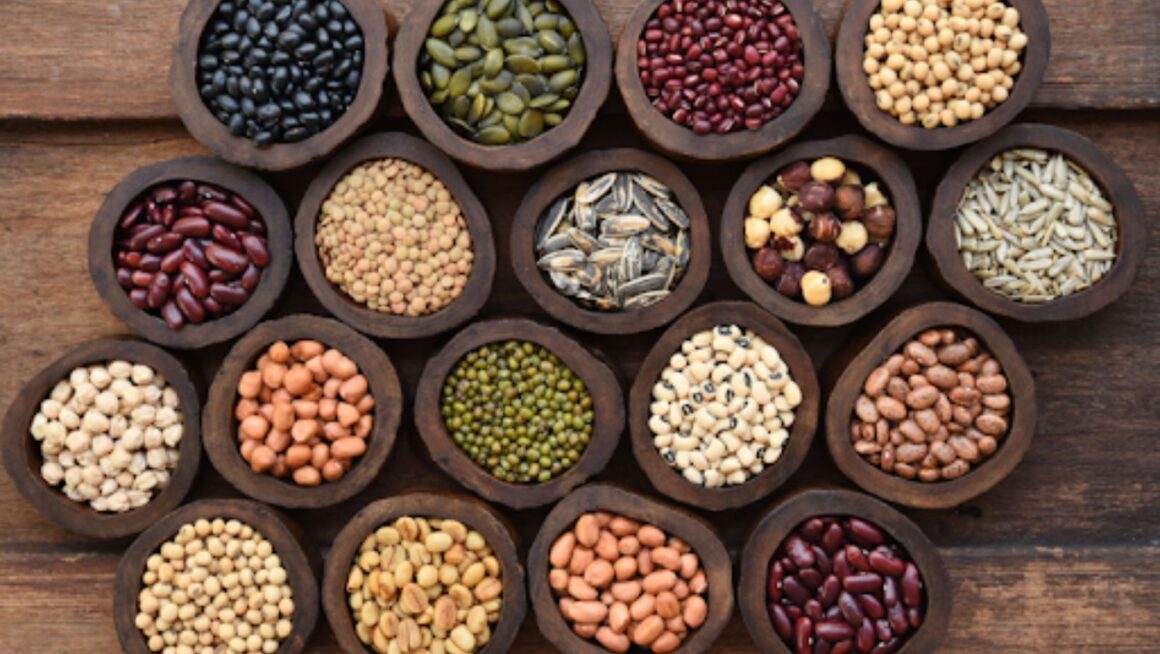
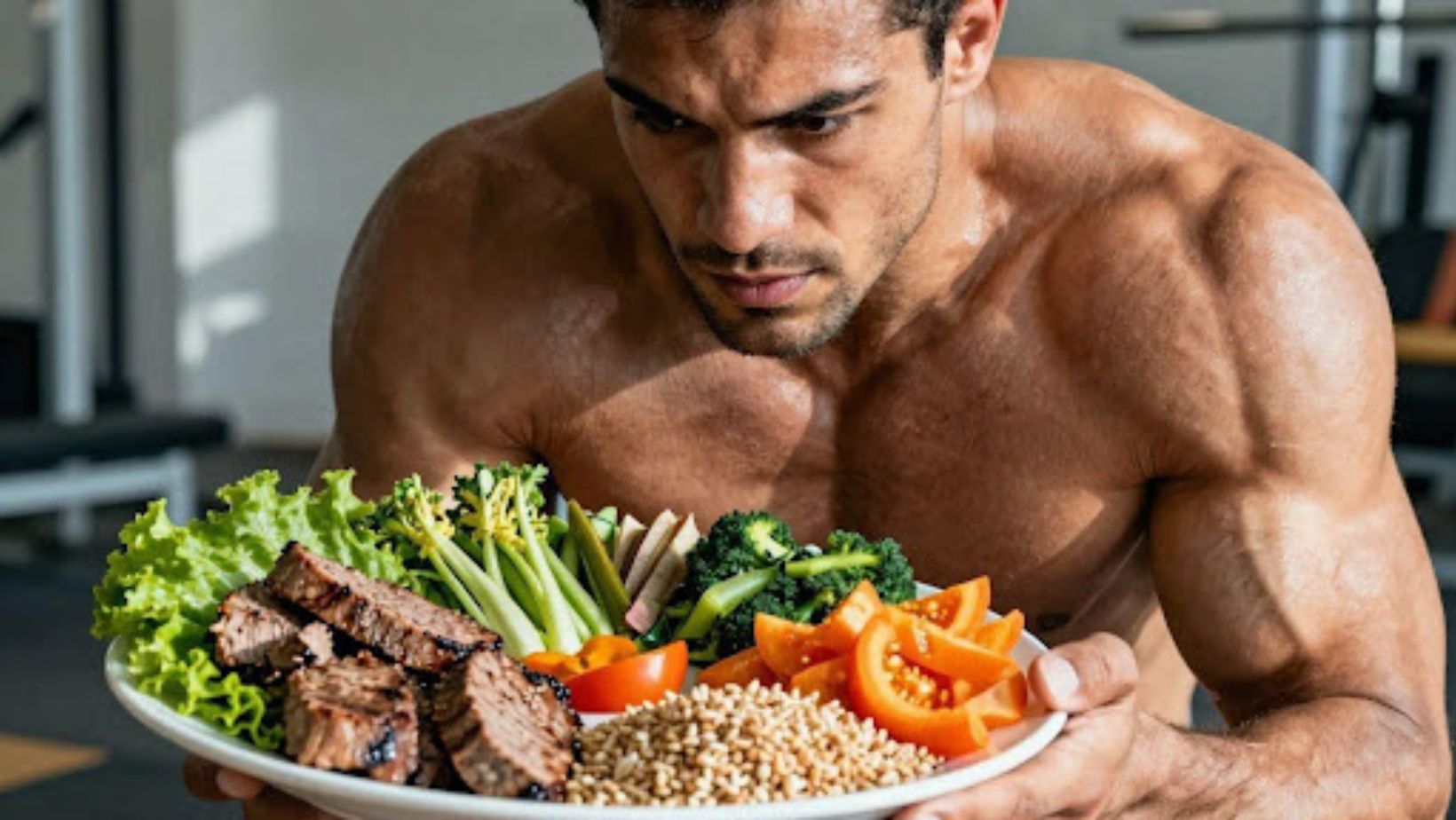
Fighters need protein. It’s the building block for muscle, and keeping that lean mass is key for power and durability. During intense training camps, the body can break down muscle for energy if protein intake isn’t high enough. Aiming for a consistent protein intake throughout the day helps prevent this muscle loss. This means including a good protein source with every meal and every vegan or carnivore snack.
Think lean meats, fish, eggs, dairy, and plant-based options like beans and tofu. The exact amount can vary, but a common recommendation is around 1.6 to 2.2 grams of protein per kilogram of body weight for active individuals. This macronutrient focus supports recovery and ensures the body has what it needs to repair and rebuild muscle tissue after tough sessions. Getting enough protein isn’t just about building muscle; it’s about protecting what you already have.
Adequate protein intake is non-negotiable for fighters looking to maintain strength and power throughout a demanding training camp. It directly impacts recovery and the body’s ability to adapt to stress.
Carbohydrate Timing for Energy and Recovery
Carbohydrates are the primary fuel source for high-intensity efforts, which are common in combat sports. Proper carbohydrate timing is about making sure the fighter has readily available energy when they need it most, both during training and competition. This doesn’t mean eating carbs all the time, but strategically placing them around workouts.
Before training, a meal with easily digestible carbohydrates a few hours out can top off glycogen stores. During long or intense sessions, simple carbs can be beneficial. After training, carbohydrates are vital for replenishing muscle glycogen and aiding recovery. This helps prepare the body for the next session, reducing fatigue and improving performance over time. Focusing on carbohydrate intake around training windows is a smart strategy.
| Meal/Timing | Recommended Carbohydrate Source |
| Pre-Training (2-3h) | Oats, rice, sweet potato, whole-wheat pasta |
| During Training | Sports drinks, gels, fruit (if needed for long duration) |
| Post-Training | Rice, potatoes, fruit, bread (paired with protein) |
Strategic Fat Intake and Its Role
While carbohydrates get a lot of attention for immediate energy, fats play a significant role too, especially in longer training camps and for overall health. Fats are important for hormone production, absorbing certain vitamins, and can serve as an energy source during lower-intensity periods. However, the type and timing of fat intake matter.
It’s generally advised to limit high-fat foods immediately before or during intense training, as they digest slower and can feel heavy. Instead, focus on healthy fats from sources like avocados, nuts, seeds, and olive oil spread throughout the day, particularly in meals away from training. This supports long-term energy needs and general well-being without interfering with immediate performance fuel. This macronutrient balance is key for sustained energy and health.
- Healthy Fat Sources: Avocados, nuts, seeds, olive oil, fatty fish.
- Timing: Best consumed in meals away from intense training sessions.
- Function: Supports hormone production, vitamin absorption, and provides a long-term energy reserve.
Weight Management Through Evidence-Based Nutrition
Understanding Weight Cut Strategies
Fighters often need to make weight for competition. This isn’t just about looking good; it’s a serious part of the sport. Effective weight management relies on smart nutrition, not guesswork. Understanding the science behind weight cuts helps fighters approach this challenge safely and effectively. It’s about making informed choices that support performance, not sabotage it.
Many fighters use various methods to hit their target weight. Some focus on reducing water intake, while others manipulate their diet in the days leading up to weigh-ins. The key is to find a strategy that minimizes performance loss. This means avoiding extreme measures that can leave a fighter depleted and weak. Evidence-based nutrition provides a roadmap for successful weight management.
It’s important to remember that weight management is a skill. It requires planning and consistent application of proven principles. Fighters who master this aspect of their preparation often gain a significant advantage. They step into the ring or cage feeling strong and ready, rather than drained from a difficult cut.
Safe and Effective Weekly Weight Loss
Losing weight week-to-week during training camp needs a careful approach. The goal is to shed unwanted pounds without sacrificing muscle mass or energy levels. This means creating a calorie deficit that is manageable and sustainable. It’s not about drastic cuts, but steady, controlled progress.
Focusing on nutrient-dense foods is key here. These foods provide essential vitamins and minerals while keeping calorie intake in check. Think lean proteins, plenty of vegetables, and moderate amounts of complex carbohydrates. This type of eating supports recovery and keeps the fighter fueled for tough training sessions. Consistent, safe weight loss is a hallmark of smart fight camp nutrition.
Here’s a simple breakdown for weekly weight loss:
- Calorie Deficit: Aim for a modest deficit, typically 300-500 calories below maintenance.
- Protein Intake: Keep protein high to preserve muscle mass.
- Hydration: Drink plenty of water throughout the day.
- Activity: Maintain training intensity, but listen to your body.
This structured approach to weight management helps fighters stay on track without compromising their physical condition. It’s about making weight feel like a natural part of the process, not a last-minute crisis.
The Impact of Weight Cycling on Performance
Weight cycling, the practice of rapid weight loss and regain, is common in combat sports. While it can help fighters make a specific weight class, its impact on performance needs careful consideration. Rapid fluid loss, for instance, can lead to dehydration, which directly affects strength, endurance, and cognitive function.
Repeated cycles of drastic weight loss and regain can also disrupt metabolism and hormonal balance. This can make future weight cuts harder and negatively impact overall health. Fighters need to understand that while making weight is important, doing so at the expense of their physical state is counterproductive. The goal is to make weight while optimizing performance, not diminishing it.
The science suggests that the physiological stress of aggressive weight cutting can impair a fighter’s ability to perform at their best. Recovery time after weigh-ins becomes critical, and even then, full restoration of function may not occur.
Fighters and their support teams must weigh the benefits of making a lower weight class against the potential performance detriments. A well-planned nutrition strategy aims to minimize these negative effects, but there are limits. Understanding these impacts is vital for making sound decisions about weight management throughout a fighter’s career.
Hydration and Supplementation in Fight Camp
Practical Refueling and Rehydration Applications
Staying hydrated is a big deal for fighters. Even losing a little bit of water can mess with how well they perform. Think of water as fuel for training and recovery. It helps the body run right and can even help avoid injuries. For fighters, figuring out exactly how much water to drink daily isn’t simple because training varies so much. A good starting point is about 1.5 milliliters of fluid for every calorie consumed, which helps cover different sweat rates and training loads. This is where hydration really comes into play.
When fighters sweat a lot, especially in hot weather, they need to drink more. For quick rehydration after losing weight, aiming for about 1.5 liters of fluid for every kilogram of body weight lost is a solid plan. Keeping track of fluid intake and loss is key during fight camp. Weighing in before and after training sessions gives a clear picture of how much water is being lost. This information is super useful for sports nutritionists to make sure fighters are refueled properly and to help with weight management tactics leading up to fight week.
Fighters should also pay attention to electrolytes, like sodium and potassium, in their drinks. These help keep the body’s balance in check, especially when sweating a lot. Simple sports drinks can help with this. The goal is to keep the body running smoothly, supporting all the hard work happening in training. Proper hydration is non-negotiable for peak performance.
Effective Hydration Monitoring Techniques
Monitoring hydration isn’t just about chugging water. It’s about smart tracking. Weighing the athlete before and after training sessions is a practical way to see how much fluid is lost through sweat. This gives a number to work with, helping to guide how much fluid needs to be replaced.
Here’s a simple breakdown of how to monitor:
- Weigh-in: Record body weight immediately before training.
- Train: Complete the training session as usual.
- Weigh-out: Record body weight immediately after training.
- Calculate: The difference in weight indicates fluid loss. For every kilogram lost, aim to replace with approximately 1.5 liters of fluid over the next few hours.
This method provides concrete data on sweat rates, which is vital for both performance and weight management. It helps tailor fluid intake to the individual fighter’s needs, rather than using a generic approach. This attention to detail makes a real difference.
Keeping a log of daily fluid intake alongside body weight changes provides a comprehensive view of hydration status. This data is invaluable for making informed adjustments to the nutrition plan.
Evidence-Supported Supplementation for Fighters
When it comes to supplements, fighters should stick to what the science backs up. The goal is to support training, recovery, and performance, not to replace good nutrition. Creatine, for example, is well-researched for its ability to help with short bursts of energy and strength, which is useful in combat sports. Many athletes prefer forms such as creatine monohydrate micronized because they mix easily and integrate smoothly into daily supplementation routines. Beta-alanine can help buffer lactic acid, potentially delaying fatigue during intense rounds.
Caffeine is another supplement that can offer a temporary boost in alertness and reduce the perception of effort, making tough training sessions feel a bit more manageable. However, it’s important to use caffeine strategically, as too much can lead to jitters or sleep disturbances. The timing and dosage are key.
Other supplements like BHB (beta-hydroxy-beta-methylbutyrate) are sometimes discussed for muscle preservation, especially during periods of calorie restriction. However, the evidence for significant performance benefits in fighters is less robust compared to creatine or caffeine. Fighters should always discuss any supplement use with a qualified sports nutritionist or doctor to ensure it’s safe, appropriate, and won’t interfere with their training or health goals. Remember, supplements are meant to supplement a solid diet, not be the foundation.
Individualizing Nutrition Plans

Pre-Camp Assessment of Athlete Needs
Before any fight camp kicks off, a solid assessment is key. This means looking at the fighter’s specific sport demands and their personal situation. It’s about figuring out what nutritional strategies will work best and what needs to be done before training really ramps up. Things like body measurements, past weight cut experiences, and current eating habits are all important pieces of the puzzle. Using food logs or tracking apps can really help get a clear picture of what’s being consumed. This initial assessment helps set a baseline for individualizing nutrition plans.
Adapting Nutrition to Training Intensity and Duration
As training intensity and duration change, so should the nutrition plan. A fighter’s energy needs aren’t static; they shift with the demands placed on their body. For example, during heavy sparring weeks, more calories, especially from carbohydrates, might be needed to fuel performance and aid recovery. Conversely, during lighter weeks, the intake might be adjusted to prevent unwanted weight gain. This adaptive approach to nutrition is vital for sustained performance throughout a camp. Paying attention to how the body responds is more important than sticking rigidly to a plan.
Flexibility in Fight Day Nutrition Strategies
Fight day itself presents unique nutritional challenges. While the groundwork is laid in the weeks and months prior, the immediate hours before and after a fight require specific attention. This includes pre-fight meals that are easily digestible and provide sustained energy, as well as post-fight refueling to kickstart recovery. Flexibility here means having backup plans and understanding how to adjust based on how the fighter feels on the day. It’s about making sure the fighter is fueled optimally for the task at hand, and then supporting their recovery afterward. This individualizing nutrition plans approach ensures the fighter is ready when the bell rings.
Bringing It All Together
So, we’ve talked a lot about how fighters can use research-backed nutrition to really boost their performance. It’s not just about eating; it’s about eating smart, especially when you consider the different phases of training, like the off-season, fight camp, and fight day itself. Paying attention to things like protein intake, carbohydrate timing, and even hydration can make a big difference. Remember, what works for one fighter might not be perfect for another, so figuring out what works best for your body and your specific sport is key. By making informed food choices based on what science tells us, fighters can get that extra edge they need to compete at their highest level.