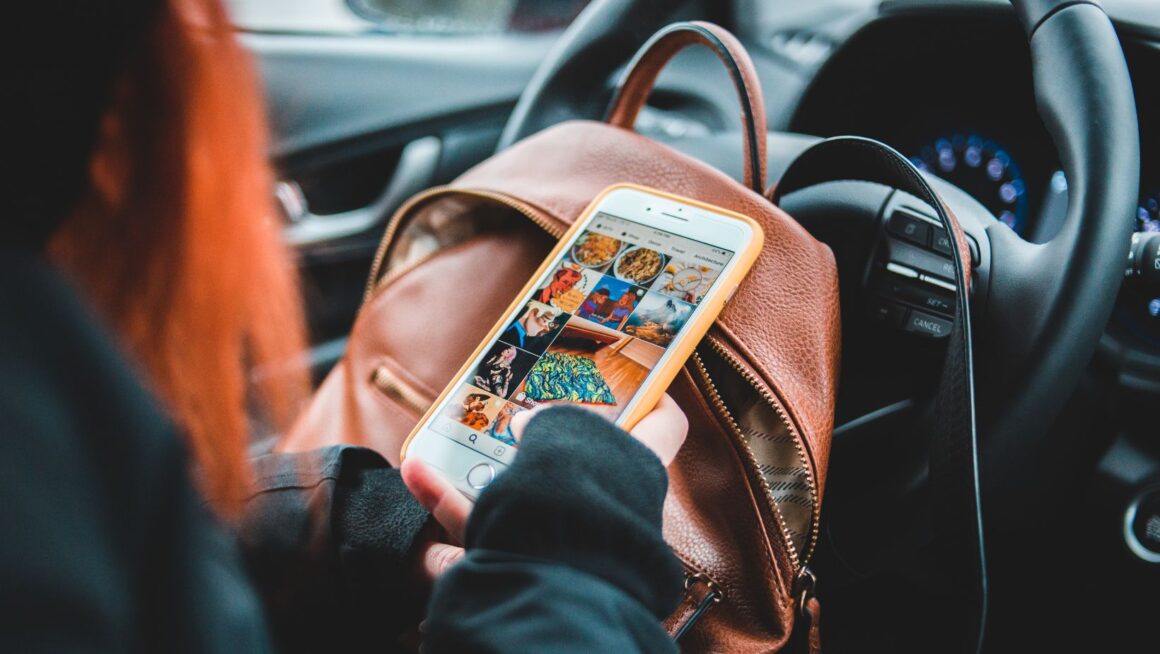
You scroll through your feed. Perfect faces and smooth skin fill every photo and story, making you wonder if your own look matches up. Suddenly, you start thinking about changing something small or even considering a cosmetic procedure to fit these growing beauty trends.
Research shows that nearly half of people who want aesthetic procedures say social media played a big part in their decision. Edited images and influencer posts flood our screens every day.
This post will explain how digital influence shapes choices about cosmetic enhancements, share real facts, address body image worries like social appearance anxiety, and give tips to help you make confident decisions for yourself.
Curious what’s fact or filter? Continue reading to find out more.
The Role of Social Media in Cosmetic Surgery Decisions
Social media influences how people perceive cosmetic surgery. Edited images and filters create unrealistic beauty standards that impact many decisions.
Impact Of Edited Images And Filters
Edited images and filters on digital platforms have changed the way people see beauty standards. Apps can smooth skin, slim noses, and add glow in seconds. Faces in photos rarely show wrinkles or flaws, setting the bar for perfection high.
This flood of flawless pictures feeds body dissatisfaction, especially for those thinking about aesthetic procedures in New York City. To understand how professional surgeons approach these concerns with realistic, safe methods, you can learn more about Dr. Smith and his insights on modern aesthetic treatments.
People start chasing the “Instagram face” look with lifted brows, plump lips, and sharp jawlines. Snapchat filters distort reality, making users want features that are impossible to achieve without cosmetic enhancements.
Self-image can take a hit after comparing real life to edited photos. One patient said,.
I just wanted to look like my selfie filters—now I barely recognize myself.
Digital influence keeps driving new cosmetic trends day after day.
Promotion Of Trends Like The “Instagram Face”
Smooth skin, plump lips, and sharp jawlines fill Instagram feeds every day. The “Instagram face” combines features like big eyes, narrow noses, high cheekbones, and full lips. Kim Kardashian and Bella Hadid have become icons of this look.
Social media users see filtered selfies everywhere. They start to believe this combination is the standard for visual aesthetics.
People bring these images to consultations in New York City clinics. Many call it their ideal self-image. Clinics report more adults seeking fillers or noninvasive treatments for that photo-ready glow.
Some patients ask for changes they saw on influencers or from popular cosmetic trends alone. Trends change quickly online; one week it’s fox eyes, next week it’s puffy cheeks. These beauty standards can cause body dissatisfaction and appearance anxiety as everyone pursues the latest “perfect” face seen online.
Celebrity And Influencer Impact On Cosmetic Surgery
Celebrities and influencers shape cosmetic surgery trends with their extensive reach. When they share their experiences or endorse treatments, many fans feel inclined to follow suit, increasing demand for various procedures.
Endorsements Driving Demand For Procedures
Influencers and pop stars post before-and-after photos on Instagram almost daily, sometimes saying things like, “This jawline filler changed my life.” With one swipe, their stories reach thousands.
Treatments like noninvasive nose jobs or lip enhancements start trending after a celebrity “loves” them. Surgeons in New York City have seen requests for specific cosmetic enhancements rise up to 40 percent after a high-profile endorsement.
A simple tag can spark citywide demand rapidly. Many adults now bring screenshot wish-lists of recent influencer makeovers to consultations. As Dr. Smith says,.
The selfie generation wants what their favorite star just got yesterday.
These digital shout-outs create new beauty standards quickly and push certain aesthetic procedures into focus across social platforms.
Influence Of Targeted Advertisements
Targeted advertisements play a crucial role in cosmetic surgery decisions. They create personalized messages that resonate with potential patients. Ads often highlight popular aesthetic procedures linked to social media trends, like lip fillers or rhinoplasties.
Many people see these ads frequently, making them feel more familiar and acceptable.
Social media platforms use algorithms to show specific beauty-related content based on users’ interests. This constant exposure can lead individuals to consider procedures they might not have thought about otherwise.
As enthusiasm builds around new trends, demand for certain enhancements rises sharply. The influence of these targeted marketing strategies shapes many people’s views on beauty standards today.
In this way, celebrities and influencers further amplify the message surrounding cosmetic enhancements; their endorsements carry significant weight and impact choices.
Psychological Effects Of Social Media On Body Image
Social media can distort our views on body image. Many users feel more dissatisfied with their appearance after scrolling through edited photos, leading to concerns about how they look in real life.
Increased Body Dissatisfaction
Social media often fuels feelings of body dissatisfaction. Many users compare their appearance to carefully edited images online. This constant comparison can distort self-image and create unrealistic beauty standards.
People may feel pressure to achieve a look that aligns with popular trends, like the “Instagram face.” These curated images promote an idealized version of beauty that many chase but few can realistically attain.
In a survey, nearly 70% of young adults reported feeling unhappy with their bodies due to social media influences. The perfect selfies and polished posts contribute to heightened anxiety about one’s own looks.
As individuals scroll through endless feeds, they might develop social appearance anxiety. This dissatisfaction drives many toward cosmetic enhancements as they seek validation through aesthetic procedures in hopes of fitting into these narrow ideals.
Social Appearance Anxiety
Many adults experience social appearance anxiety due to the constant comparison on social media. Seeing edited images can make anyone feel insufficient about their looks. This pressure often leads to a desire for cosmetic enhancements.
People may think, “If everyone else looks perfect, why can’t I?” Such thoughts drive individuals to seek aesthetic procedures.
Influencers play a significant role in shaping these feelings. They present narrow beauty standards that many try to emulate. As a result, this anxiety grows stronger among those seeking acceptance and validation through appearances.
It is essential to recognize how much social media influences body image and self-esteem before making decisions about cosmetic surgery.
Popular Cosmetic Surgery Trends Shaped by Social Media
Social media drives trends in cosmetic surgery, shaping what people want. Users often chase popular looks like fuller lips or defined jawlines after seeing influencers flaunt them online.
Defined Jawlines And Lip Enhancements
Defined jawlines and lip enhancements have become popular trends in cosmetic surgery today. Many people seek these aesthetic procedures to achieve strong, sculpted features. A sharp jawline can create a more youthful appearance while full lips often symbolize beauty.
Social media displays countless images of these enhancements, making them highly desirable among individuals wanting to improve their looks.
Influencers and celebrities model these features, fueling demand further. As a result, clinics experience an influx of requests for both surgical and non-surgical treatments aimed at enhancing the face’s natural symmetry.
These transformations shape personal identities in today’s visual culture, pushing many toward cosmetic interventions that promise increased confidence and self-esteem. The next section will explore how celebrity endorsements influence decisions on cosmetic surgery procedures.
Non-Surgical Procedures Gaining Traction
The rise of non-surgical procedures reflects a change in cosmetic treatment preferences. Treatments like Botox and dermal fillers have become popular choices among adults seeking subtle enhancements.
These options provide quick results with little downtime, attracting many clients in New York City.
Social media plays a key role in this trend. Filters often highlight idealized looks, creating demand for similar transformations. Patients see friends or influencers enjoying the benefits of these treatments and feel inspired to try them as well.
Non-invasive treatments offer a way to enhance self-image without committing to surgery, appealing to those who want immediate improvements with minimal risks involved.
Benefits of Social Media in Cosmetic Surgery Decisions
Social media connects people with others who share their experiences in cosmetic surgery. It also raises awareness about procedures, making it easier for potential patients to get informed.
Access To Peer Support And Shared Experiences
Many adults seeking cosmetic surgery in New York City find comfort in connecting with others. Sharing experiences can make the process feel less intimidating.
- Peer support groups provide safe spaces for individuals to discuss their concerns. Members share stories about their procedures, recovery, and results. This connection fosters a sense of community.
- Online forums allow users to ask questions anonymously. People often receive honest answers from those who have gone through similar experiences. This information helps build realistic expectations about surgeries and treatments.
- Social media platforms enable the sharing of photos and testimonials. Patients post before-and-after pictures for encouragement and feedback. These visuals help potential patients understand what is possible.
- Many influencers share their cosmetic journeys openly online. They discuss their motivations, choices, and outcomes transparently with followers. This openness can lead to more informed decision-making.
- Support from peers can reduce anxiety before procedures occur. Knowing that others have faced similar challenges offers reassurance during stressful times.
- Individuals often bond over shared fears regarding body image and beauty standards. Discussing these feelings can validate emotions and lessen isolation; it reminds everyone they are not alone.
- Accessing shared experiences promotes discussions about cosmetic trends popularized by social media, such as noninvasive treatments or specific enhancements like lip fillers.
- Finding common ground within these communities encourages thoughtful conversations around cosmetic enhancements; this leads to better understanding of personal desires versus societal pressures.
- Positive reinforcement from peers increases confidence levels when making decisions about aesthetic procedures; feeling supported is essential during moments of uncertainty.
Connecting with others can significantly enhance the experience of pursuing cosmetic surgery in today’s digital age, ensuring that decisions are made thoughtfully and informed by real-world insights from those who have taken the plunge before you.
Increased Awareness And Education About Procedures
Social media assists adults in discovering cosmetic surgery options. Many online platforms provide essential information on various procedures. People can watch videos that explain how surgeries work and what to expect during recovery. AI video tools can further enhance this educational approach by creating clear visual guides that demonstrate procedures, recovery timelines, and expected results, helping patients make more informed decisions about cosmetic treatments.
These resources often include testimonials from real patients, offering insights into their experiences.
Through social media, individuals can connect with others considering similar treatments. This network encourages discussions about different surgeries and their outcomes. Informed communities arise as people share risks and benefits of aesthetic procedures.
Equipped with information, potential patients feel more assured in making decisions regarding cosmetic enhancements.
Challenges and Ethical Concerns
Social media often distorts reality with altered images. This leads to unrealistic expectations and significant pressure to conform to beauty norms.
Unrealistic Expectations From Altered Images
Altered images create unrealistic beauty standards. Many feel they must look like picture-perfect influencers or celebrities online. These photos often undergo extensive editing. Filters can make someone appear flawless, but reality does not match these images.
Adults seeking cosmetic enhancements may believe they need to achieve this level of perfection.
Pressure from social media leads to dissatisfaction with one’s own body. Some might think that changing their appearance will solve deeper issues around self-image and confidence. This mindset can result in disappointment after surgery if the results don’t meet high expectations set by altered images online.
It’s important to approach cosmetic procedures with realistic goals in mind and understand the difference between digital glamour and authentic beauty.
Pressure To Conform To Beauty Standards
Social media creates constant pressure to meet beauty standards. Users often compare themselves to edited images and influencers who showcase perfect looks. This leads many adults in New York City to feel inadequate about their appearance.
They chase trends like the “Instagram face,” which promotes specific ideals of beauty, such as full lips and defined jawlines.
The desire for social validation can drive individuals toward cosmetic enhancements. Many seek aesthetic procedures not just for improvement but also as a response to this societal pressure.
This influence shapes self-image and heightens social appearance anxiety. The result is a cycle where dissatisfaction grows, leading more people to consider surgery as a solution.
Risks Of Misinformation On Social Platforms
Misinformation on social platforms poses serious risks for those considering cosmetic surgery. Many users share edited images that distort reality. These altered photos can create unrealistic expectations about procedures and results.
When individuals compare their appearance to these idealized images, they often experience body dissatisfaction and anxiety.
Targeted advertisements may also spread misleading information about cosmetic enhancements. Some ads promote quick fixes or non-invasive treatments without mentioning potential complications or necessary recovery time.
This makes it crucial for anyone seeking aesthetic procedures to verify facts from credible sources before making decisions. The following section explores how celebrities and influencers shape the environment of cosmetic surgery trends.
Responsible Use of Social Media in Cosmetic Surgery
Social media can guide your cosmetic surgery choices, but don’t let it lead you astray. Seek advice from professionals and trust your instincts instead of just following online trends.
Seeking Professional Consultations
Consulting with a professional is essential. A qualified surgeon can guide you in navigating the busy world of cosmetic enhancements. They help interpret social media trends and determine what truly suits your needs.
This step ensures you understand procedures, risks, and outcomes.
Talking to an expert allows for candid conversations about expectations. Surgeons provide insights that online images cannot convey. Their experience helps inform your decisions amid the aesthetic pressure from digital platforms.
Schedule consultations with reputable professionals in New York City to make informed choices about your body image path.
Avoiding Over-Reliance On Online Trends
Trends on social media can easily mislead people seeking cosmetic surgery. Many individuals feel pressured to follow fads without considering their own unique needs. These trends often promote unrealistic beauty standards and may not suit everyone’s body type or personal style.
Relying too heavily on what influencers present might lead to unachievable expectations. Patients should seek advice from qualified professionals before making decisions. Focusing on personal goals rather than fleeting trends will yield better outcomes in aesthetic procedures.
Conclusion
Social media shapes modern cosmetic surgery decisions in many ways. It drives trends, influences body image, and creates new beauty standards. By seeking peer support online or consulting professionals, you can make informed choices about aesthetic procedures.
Remember to balance inspiration with realistic expectations to avoid disappointment. Embrace your journey toward self-improvement; every step counts in redefining your appearance and confidence!