
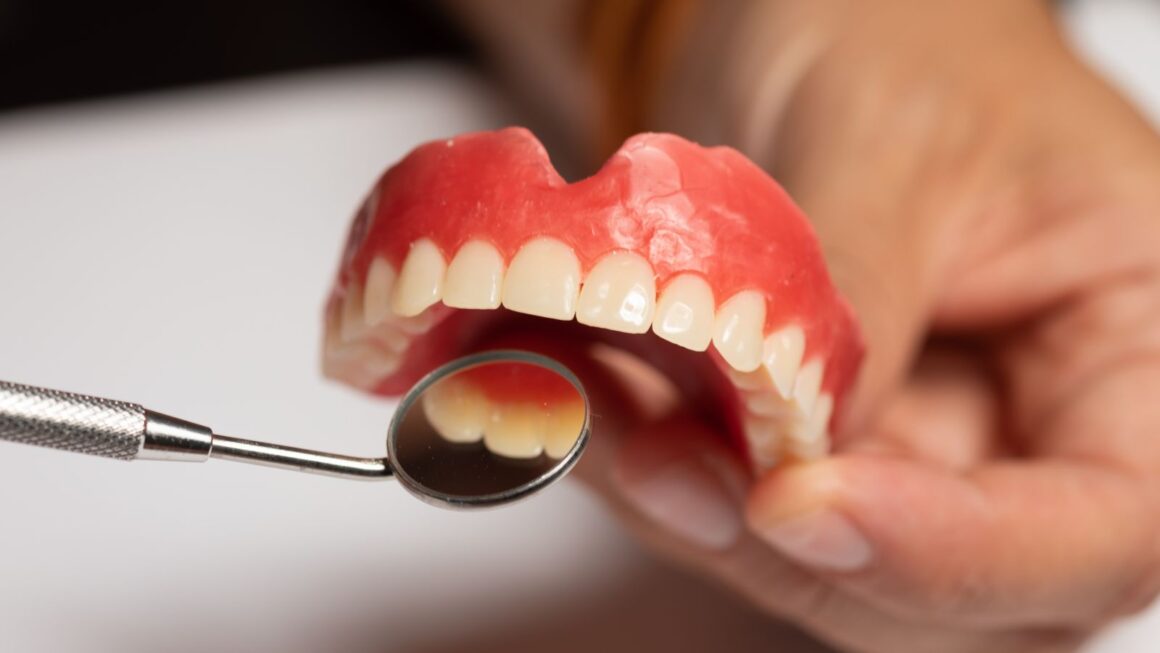
Loose or uncomfortable dentures often mean your jaw has changed shape, and that change usually comes from bone loss after tooth loss. If your dentures feel progressively looser, cause sore spots, or alter your bite, bone resorption is a likely cause — and for many patients, bone grafting before a dental implant in Easton, PA is a critical step toward restoring jaw volume and creating a stable foundation for a long-term solution.
You’ll learn how to spot early signs, why the jawbone shrinks without natural teeth, and practical options — like relines, replacements, or implant support — to restore fit and comfort. This article walks you through quick self-checks and the next steps to stop small fit problems from becoming bigger oral health issues.
Recognizing Signs of Bone Loss Affecting Denture Fit
You may notice a combination of shifting fit, gum discomfort, increased reliance on adhesives, and subtle facial changes. Pay attention to specific functional and visual cues so you can address problems before they worsen.
Changes in Denture Stability
If your dentures feel loose when you speak, laugh, or eat, that instability often points to bone resorption under the denture base. You might hear clicking sounds while talking or feel the denture slide backward when you bite into food.
Test stability by gently pressing on the front and sides of the denture while you open and close your mouth; excess movement indicates loss of support. Stability that declines over months rather than days suggests gradual bone loss, not just a broken or warped denture. Bring this information to your dentist: they will check fit, measure the ridge, and determine if a reline or implant-supported option would restore stability.
Increased Soreness or Pressure Points
New or worsening sore spots on the gums often signal that the denture no longer matches the shape of your underlying bone. You may feel pinpoint pain or wider areas of reddened tissue after wearing dentures for several hours.
Note when and where soreness appears—consistent pressure spots in the same location usually mean the denture is pressing on a ridge that has receded. Avoid self-trimming or prolonged home adjustments. Your dentist can adjust the denture, reline it, or smooth pressure areas and will inspect for ulceration or infection that requires treatment.
Frequent Need for Adhesives
Relying more often on denture adhesives or using larger quantities than before indicates diminishing retention from the jawbone and gums. If you go from occasional adhesive to daily heavy use, the denture is likely compensating for a changing ridge shape.
Adhesives can mask an underlying problem and make chewing seem easier temporarily. Keep a log of how much adhesive you use and when it’s necessary—this helps your dentist assess whether a reline, remaking the denture, or moving toward implant-retained dentures is appropriate for long-term function.
Visible Changes in Facial Structure
Bone loss beneath denture-bearing areas can alter facial proportions, producing deeper folds around the mouth, a collapsed lower face, or “sunken” cheeks. You may notice your lower jaw appears closer to your nose, or lips no longer meet naturally without pursing.
Take photos of your face over time to compare changes objectively; family members may also point out differences you don’t feel day-to-day. These cosmetic shifts reflect reduced vertical support from the jawbone and can affect speech and denture fit—tell your dentist if you’ve observed these visual changes so they can evaluate bone volume and discuss restorative options.
Understanding the Link Between Bone Loss and Denture Fit
Bone loss changes the shape and volume of your jaw, reduces the surface that supports dentures, and creates pressure points that make dentures unstable and uncomfortable.
How Bone Resorption Alters Jaw Anatomy
When you lose a tooth, the alveolar bone that once held the root no longer receives chewing forces. Without that mechanical stimulation, the bone undergoes resorption and slowly decreases in height and width.
Resorption patterns differ between the upper and lower jaws; the lower jaw (mandible) often resorbs faster, which can lead to a flatter ridge and less surface area for a denture to rest on.
You will notice changes in facial support as the jawbone shrinks. The vertical dimension of your bite can decrease, making your lower face appear shorter and altering how dentures sit against your lips and cheeks.
These anatomical shifts directly change the way dentures contact soft tissues, increasing the chance of sore spots and gaps.
Impact on Denture Retention and Comfort
Loss of bone reduces the intimate contact between denture base and gum tissue that creates suction and mechanical retention. When that contact weakens, your dentures will feel loose during chewing, speaking, or coughing.
Pressure concentrates on smaller areas instead of spreading evenly, producing painful irritation, ulceration, or accelerated bone loss at those points.
You may compensate by using extra adhesive, but adhesives only mask poor fit and cannot restore lost bone or correct an uneven ridge. Implant-supported options can restore retention by providing fixed anchorage and preserving bone through load transmission, if you are a candidate.
Progression of Fit Issues Over Time
Early on you might notice a subtle change: a denture that rocked slightly or required more adhesive. Over months to years, the fit often worsens progressively as ongoing resorption changes the ridge shape.
Expect periodic adjustments such as relining or rebasing to restore close contact between the denture and tissue. Relines fill gaps but do not stop resorption; you may need new dentures every 5–7 years depending on the rate of bone change.
If you delay treatment, uneven wear and repeated sore spots become more frequent and may limit options later. Regular dental exams let you track ridge changes and choose interventions—relines, implant placement, or transitioning to implant-supported dentures—before fit problems become severe.
Evaluating and Managing Denture Fit Problems
Check how your dentures sit, whether they move when you talk or chew, and whether you feel sore spots or changes in bite. Addressing fit early preserves comfort and prevents further tissue irritation or accelerated bone changes.
When to Seek a Dental Assessment
Make an appointment if your denture slips during eating or speaking, causes persistent soreness, or creates new pressure points that don’t resolve within a few days. Sudden changes after tooth extractions, weight loss, or any trauma warrant prompt review.
Bring your denture to the visit so the clinician can evaluate the prosthesis and the underlying gums and ridge. Expect a visual exam, palpation of the jaws, and discussion of how long you’ve worn the current denture and any history of implants or prior relines.
The dentist may take occlusal records, photographs, or X-rays to assess bone height and ridge contour. If bone loss is suspected, imaging (periapical, panoramic, or CBCT) helps determine whether relining, rebasing, implant placement, or new dentures are appropriate.
Common Solutions for Poor Fit
Your clinician may offer adjustments, relines, rebases, or new dentures depending on the problem and denture age. Minor pressure points or edge overextensions can be relieved chairside in a single visit.
Relines (hard or soft) reset the denture’s tissue surface to match current gum contours and often restore fit for months to a few years. Rebasing replaces the denture base material while keeping existing teeth — useful when teeth remain acceptable but the base is worn.
If ridge resorption is advanced, implant-supported overdentures provide retention and stimulate bone. Implants require sufficient bone volume or grafting; your dentist will discuss candidacy, costs, and timelines. Adhesives can help short-term but do not treat underlying fit changes.
Preventive Measures to Limit Bone Loss
Maintain good oral hygiene for the gums and any remaining teeth; inflammation accelerates bone loss. Remove dentures nightly, clean them, and gently massage your gums with a soft brush to promote circulation.
Attend regular dental checkups every 6–12 months so your provider can monitor ridge changes and reline or adjust dentures before major problems arise. If you’re a candidate, consider implant-retained options early to preserve bone; discuss bone grafting if your ridge is thin.
Avoid chewing hard, uneven foods that place concentrated pressure on the ridge. Use a well-fitting lined denture, not cracked or warped prosthetics, and replace dentures every 5–8 years or sooner if fit or function declines.