
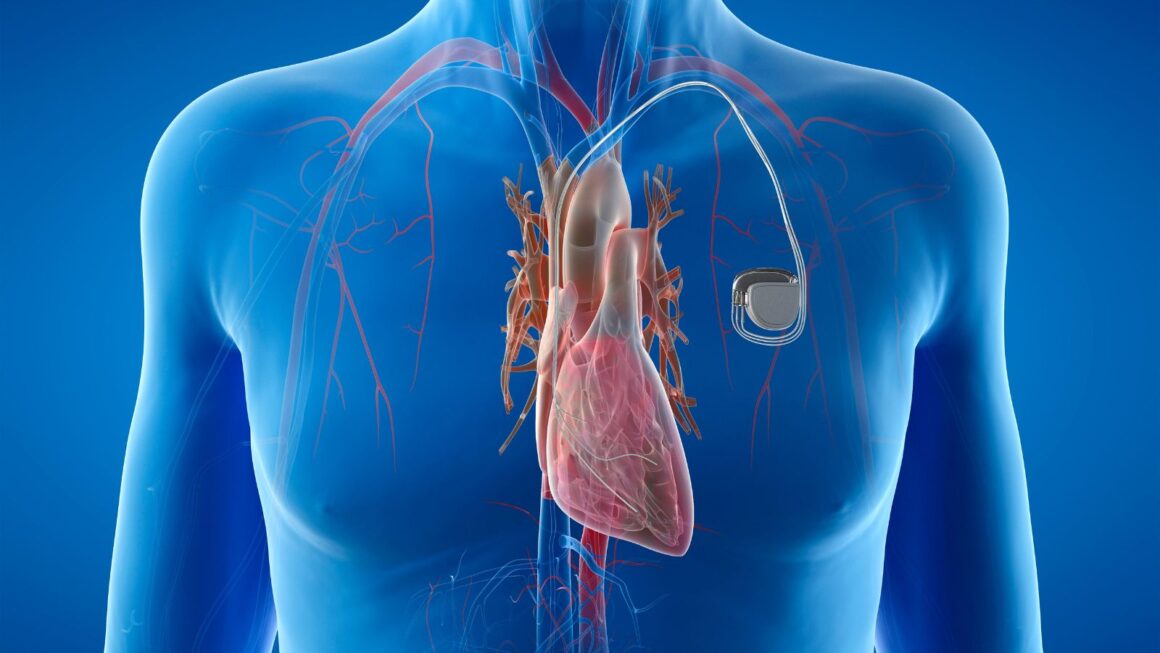
The word “pacemaker” often evokes feelings of fear and uncertainty. The idea of having a small device implanted in your chest to control your heartbeat can seem daunting. However, over the years, pacemakers have evolved and advanced in both technology and comfort, enabling patients to use them with minimal discomfort and live longer, healthier lives.
Whether you’re preparing to get a pacemaker installed or are supporting someone who is, knowing what life looks like after implantation can help ease anxiety and set the stage for a thriving, healthy future.
Why Someone Might Need a Pacemaker
For some individuals, especially those with a family history of heart disease, the heart’s natural rhythm becomes irregular, often too slow (a condition called bradycardia) or with long pauses between beats. This irregular rhythm can lead to fatigue, dizziness, shortness of breath, or even fainting spells—symptoms that significantly interfere with daily life. In these situations, doctors and specialists may prescribe the use of a pacemaker.
In brief, a pacemaker ensures that the heart maintains a steady and reliable rhythm. It keeps an eye on your heart’s electrical activity and delivers gentle electrical impulses when necessary to maintain a steady rhythm.
The Implantation Procedure
The procedure to implant a pacemaker is relatively straightforward. In most cases, an anesthesiologist will administer local anesthesia. However, in some rare cases, the patient is put under full anesthesia. The procedure takes a few hours during which the doctor will insert the device just under the skin, near the collarbone. They will thread tiny wires into the heart via a vein. After that, they close all wounds and entry points and the procedure is completed.
A majority of the patients go home the same day or the next one, with only a small bandage and some soreness around the site. There are some restrictions during the first few weeks, such as avoiding heavy lifting and not raising the arm on the side of the implant too high to ensure proper lead placement.
Adjusting to Life with a Pacemaker
The adjustment period for every patient can vary, but most people return to their regular activities within a few weeks. Here are a few things to keep in mind as you adjust:
- Physical activity: Once your doctor gives you the all-clear, you can resume walking, swimming, and even jogging. Many pacemaker recipients experience improved stamina and reduced symptoms compared to before the implant.
- Travel: Airports and security scanners are no longer a major concern. Pacemakers today are shielded to withstand common environmental interference. You can travel freely—just be sure to carry your pacemaker ID card and inform the security staff that you have a device.
- Electronics: While most electronics are safe, it’s a good habit to keep cell phones and other devices at least six inches away from your pacemaker, and avoid placing them in shirt pockets over the device.
Emotional and Mental Health
Any sort of implant procedure carries a period of emotional adjustment with it. Your body isn’t what it used to be, and that takes some getting used to. Pacemakers are no exception to this rule. Many patients feel anxious, self-conscious, or even experience bouts of depression after the surgery. These feelings are valid—and they’re also manageable.
A support group, whether online or in person, can help you connect with others who’ve gone through similar experiences. It’s also important to communicate openly with your healthcare provider if you feel overwhelmed. Your mental well-being is just as important as your physical health.
Long-Term Maintenance and Checkups
Current-day pacemakers can function between 5 to 15 years, depending on the device and usage. Patients will have to make regular follow-up visits—either in person or via remote monitoring—to ensure the device has adequate battery life and performs up to standard.
Battery replacement is a simple procedure that usually doesn’t require lead replacement unless there’s been a complication.
Knowing Your Device
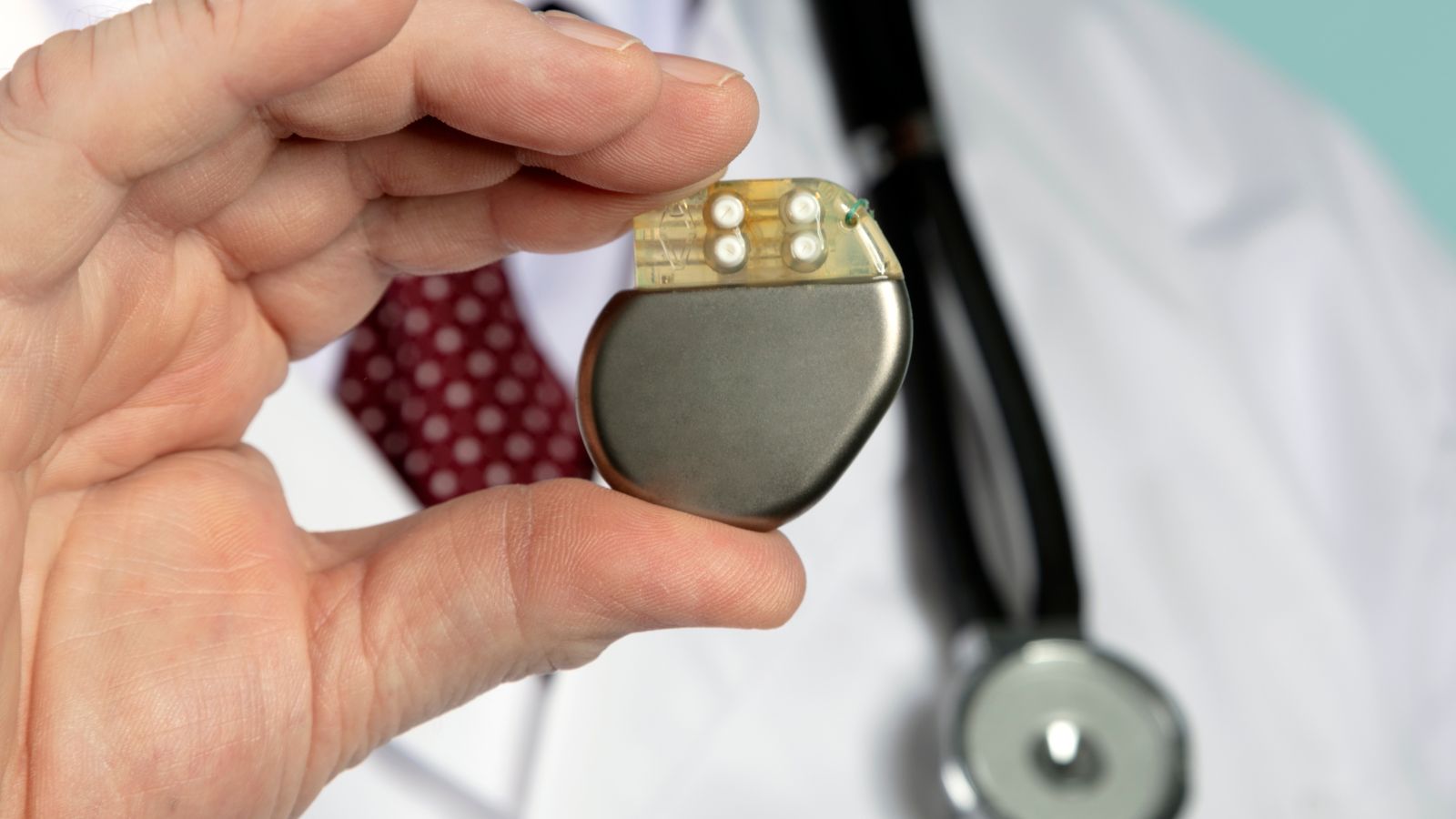
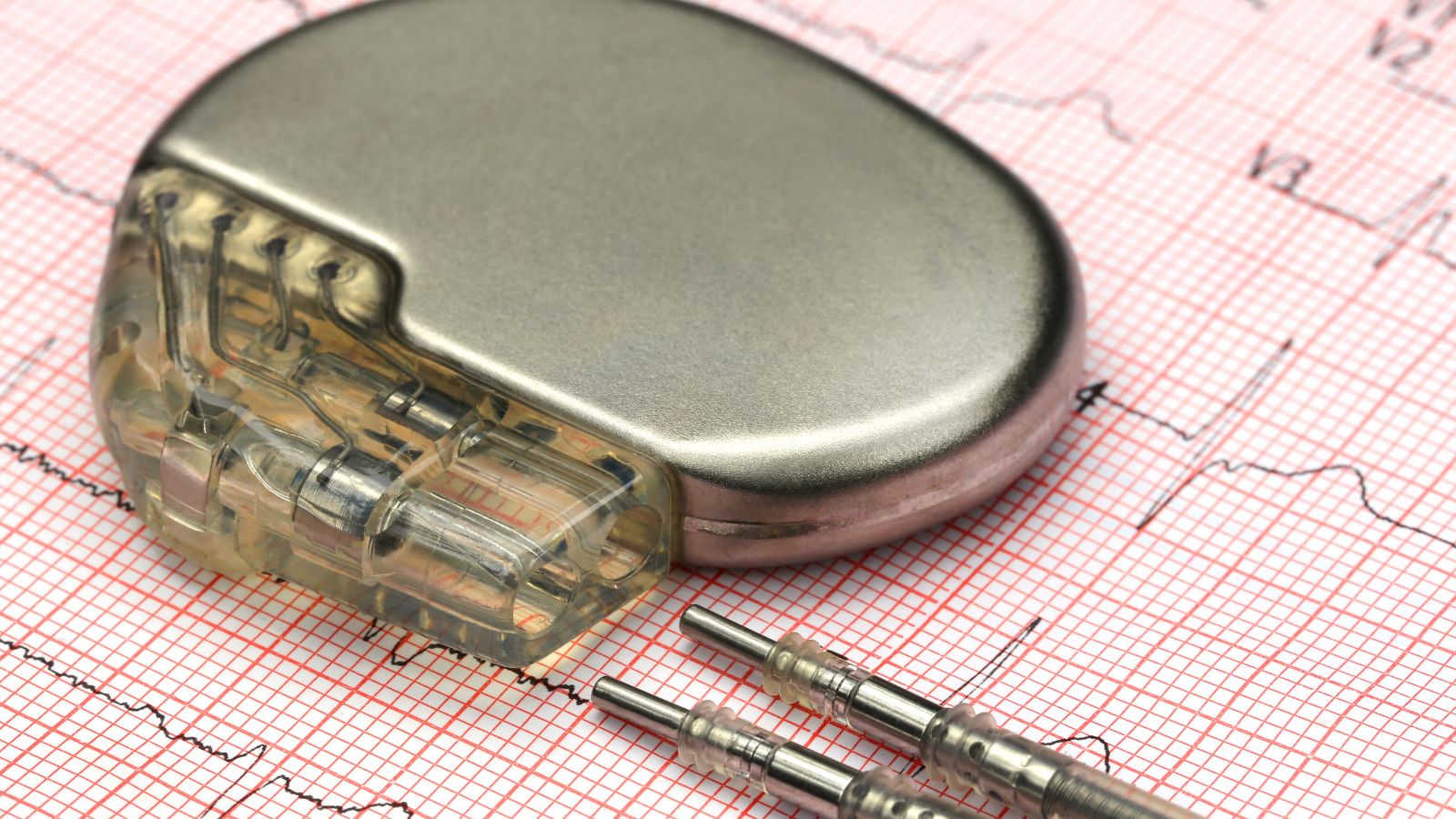
Not all pacemakers are the same. They can differ in how many chambers of the heart they control, whether they include defibrillator functions, and whether they are wireless and leadless. Understanding the types of pacemakers available can help you make informed decisions with your cardiologist. The type you receive will be tailored to your specific heart condition, lifestyle, and long-term health goals.
Living Fully with a Pacemaker
Patients are concerned that a pacemaker will limit their life but that can’t be further from the truth. A pacemaker doesn’t limit your life—it enhances it. People with pacemakers can participate in sports, travel the world, dance at weddings, and enjoy quiet moments with their family, just like anyone else. The energy and peace of mind that come from a steady heartbeat can open doors that health problems might have once closed.
Having a pacemaker means you’re living with the help of incredible medical technology, but you’re still you—capable, resilient, and deserving of a vibrant, fulfilling life.
Final Thoughts
Receiving a pacemaker is not an end all, be all, it is a major milestone in the long journey of life. It is the opening new doors—one where your heart is supported, your symptoms are relieved, and your lifestyle can blossom. Stay informed, keep up with your checkups, and don’t hesitate to lean on your medical team, your loved ones, and your support network.
Your heart, after all, is in good hands.