
Sea moss has moved from niche ingredient to mainstream pantry staple, and with that popularity comes a predictable problem: labels. “Wildcrafted,” “wild-harvested,” and “pool-grown” get used interchangeably in marketing, even though they describe very different cultivation methods—and those methods can affect everything from mineral profile to contamination risk.
If you’ve ever wondered whether one is “better,” the more useful question is: better for what, and under which conditions? Let’s unpack the real differences so you can make an informed choice based on quality, safety, and sustainability—not just buzzwords.
What “Pool-Grown” and “Wildcrafted” Actually Mean
Pool-grown (controlled cultivation)
Pool-grown sea moss is cultivated in a managed environment—often seawater-fed pools, nearshore pens, or controlled coastal farms. The goal is consistency: stable growth conditions, predictable harvest cycles, and less exposure to certain pollutants or biological stressors (though that depends heavily on the site and practices).
A well-run pool-growing operation typically controls:
- where the sea moss attaches and grows
- harvest timing (to avoid over-maturity or degradation)
- drying conditions (to limit mold and bacterial growth)
This doesn’t automatically make it superior, but it does change the risk profile and the consistency you can expect.
Wildcrafted (wild-harvested from natural habitats)
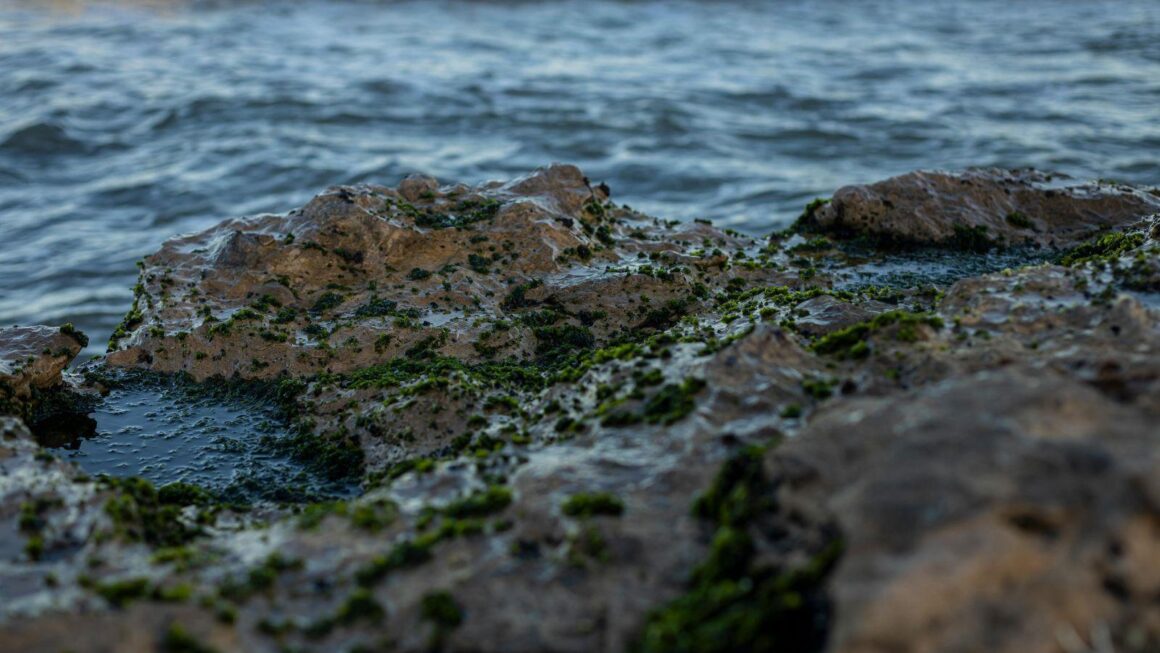
Wildcrafted sea moss is collected from its natural growing environment—usually rocky coastal areas where sea moss naturally attaches and thrives. In theory, wild growth can mean a more diverse mineral uptake because the plant develops in a complex ecosystem with variable tides, currents, and nutrient availability.
In practice, “wildcrafted” spans a wide range:
- careful hand-harvesting from clean waters with strict seasonal limits
- opportunistic harvesting with minimal oversight
- and, in the worst cases, product that claims wild origin without traceability
Because environmental conditions vary, wildcrafted sea moss can be less uniform in texture, color, and taste from batch to batch. That variability isn’t inherently bad—it’s simply part of what you’re buying.
The Quality Differences Most People Don’t Think About
Mineral content: not automatically higher in the wild
Sea moss is valued for its mineral content, but mineral composition isn’t a simple “wild equals more” equation. Minerals depend on:
- water chemistry at the growth site
- seasonal changes and ocean currents
- the specific species (more on that in a moment)
- post-harvest handling (especially washing and drying)
Pool-grown sea moss can still be mineral-rich if it’s grown in clean, mineral-dense seawater. Wildcrafted sea moss can be mineral-poor if it grows in depleted waters or is harvested immature. If mineral content is your priority, the most meaningful proof is testing and transparency, not the romance of the label.
Species and appearance: color isn’t the whole story
A lot of confusion comes from treating sea moss like a single product. “Sea moss” is a broad category, and different species (and regional strains) can look and behave differently when soaked or blended into gel.
If you want a clearer map of what people mean when they talk about types—including how cultivation method intersects with color and texture—this overview of different sea moss varieties is useful context. It’s easier to compare pool-grown vs wildcrafted once you understand that “sea moss” isn’t one uniform ingredient.
Handling and drying: where quality is often won or lost
Here’s an industry truth that doesn’t get enough airtime: post-harvest practices can matter as much as where it grew.
Common quality issues come from:
- drying too slowly in humid conditions (mold risk)
- drying directly on contaminated surfaces
- inadequate rinsing (sand, shells, salt crystals)
- aggressive bleaching or chemical “cleaning” to improve appearance
Well-processed wildcrafted sea moss can be excellent. Poorly processed wildcrafted sea moss can be a headache. The same is true for pool-grown.
Safety: Contaminants, Testing, and What to Watch For
Heavy metals and water quality
Seaweeds can accumulate heavy metals from their environment. That’s not a sea moss-specific issue—it’s a seaweed category issue. The risk is influenced by proximity to industrial activity, shipping lanes, runoff, and even natural mineral deposits.
Pool-grown systems can reduce certain exposure pathways if the water source is clean and regularly monitored. But they’re not immune: if a pool is fed by compromised water, or if biofouling builds up, you can still see problems.
Wildcrafted harvests rely heavily on the integrity of the ecosystem. Clean, remote waters are ideal, but “remote” isn’t a guarantee—currents can carry contaminants far from their source.
Microbial load and storage
Sea moss is typically sold dried, which helps stability, but storage still matters. Poor drying or humid storage can raise microbial risk. If you’ve ever opened a bag and noticed a musty smell, excessive powdery residue, or slimy texture after soaking, those are red flags.
Iodine: a benefit that can be too much for some
Sea moss naturally contains iodine, which supports thyroid function—but dosage matters. People with thyroid conditions, iodine sensitivity, or those taking thyroid medication should be cautious and consult a clinician. The key point: cultivation method doesn’t automatically standardize iodine levels. If you want predictability, look for suppliers who share testing or at least sourcing transparency.
Sustainability and Ethics: The Hidden Cost of “Wild”
Responsible wild harvesting vs overharvesting
Wild harvesting can be sustainable when it’s done with:
- seasonal limits
- partial harvesting (leaving the holdfast/attachment point)
- rotation of harvest areas
- local oversight and community stewardship
Without that, demand can outpace regeneration, damaging coastal ecosystems and biodiversity. If a brand can’t explain how wild sea moss is harvested responsibly, treat the “wildcrafted” label as unverified.
Pool-grown can reduce pressure—if done well
Controlled cultivation can take pressure off wild stocks and provide steady income to coastal farmers. That said, farming still has an environmental footprint: site selection, local ecology disruption, and waste management all matter. The best operations treat cultivation as aquaculture—managed with ecological awareness—not simply “mass production.”
How to Choose: A Practical Buying Framework
If you’re deciding between pool-grown and wildcrafted, use a simple quality-first checklist. Here’s the short list I’d actually rely on:
- Traceability: Can the seller name the region (and ideally the harvest method and season), or is it vague?
- Processing transparency: Do they describe drying and cleaning methods? Any mention of bleaching or “whitening” is worth questioning.
- Sensory cues: Clean ocean smell (not musty), minimal debris, consistent dryness, no excessive grit after rinsing.
- Testing: Heavy metal and microbial testing is a strong signal of seriousness—especially for frequent use.
- Your use case: For daily gel-making, consistency may matter more (often favoring controlled cultivation). For culinary experimentation, you might enjoy the variability of wild batches.
The Bottom Line: It’s Not “Which Is Best?”—It’s “Which Is Verified?”
Pool-grown and wildcrafted sea moss can both be high quality—or disappointing. The deciding factor is rarely the label alone. It’s the combination of clean growing conditions, responsible harvesting or cultivation, and careful post-harvest handling.
So the next time you’re comparing options, don’t let “wild” do all the persuasive work. Ask where it came from, how it was processed, and whether anyone tested what’s inside. That’s how you end up with sea moss that fits your needs—and avoids the pitfalls that give the category a bad name.