When it comes to sports gear, many people focus on shoes and clothing, but forget about one of the most important elements—sports socks. Although they are a small accessory, they can affect the quality of your training and your health as an athlete.
In this article, we will discuss why it is necessary to train in special socks, how they differ from those you wear in everyday life, and what types of sports socks are available.
Disadvantages of Cotton Socks
Many beginners make the mistake of starting to run in their regular socks. Perhaps in the early stages, when the intensity and duration of training are low, they will not cause any discomfort. But as soon as you reach the intermediate level, health problems are inevitable. Let’s take a look at what can happen.
1. Cotton absorbs moisture like a sponge. Your feet sweat while running, and the higher the temperature, the more intense the sweating. This makes your socks damp and uncomfortable. Naturally, they will quickly wear out around the toes.
2. Wet socks quickly start to rub against the skin. This causes redness, irritation, and blisters. In this case, your run may end prematurely and leave you with unpleasant sensations and marks.
3. Wet socks do not retain heat. Therefore, in cold weather, your feet can become hypothermic, and in hot weather, they can overheat. This will put unnecessary stress on the body.
4. Cotton does not have antibacterial properties, so a moist environment promotes the growth of bacteria, which can lead to a sharp unpleasant odor. It can also contribute to the development of fungal diseases.
Regular socks are not the best choice for running. It is better to choose special sports socks made of synthetic materials that wick away moisture and provide comfort and support.
In sports, luck is important, but for us, excitement is important – play online bingo for real money
Why It Is Important To Choose Special Socks
Sports socks are designed with the intensity of physical activity and the specifics of training in mind. They provide comfort, support, and protection for the feet. Let’s look at the main advantages of using such socks.

Moisture wicking
Sports socks are made from synthetic materials such as polyester, polyamide, and elastane. Some also have a membrane. They effectively wick moisture away from the skin, preventing chafing and blisters. Unlike cotton socks, which can absorb sweat and create a feeling of dampness, sports socks remain dry even during intense workouts.
Support
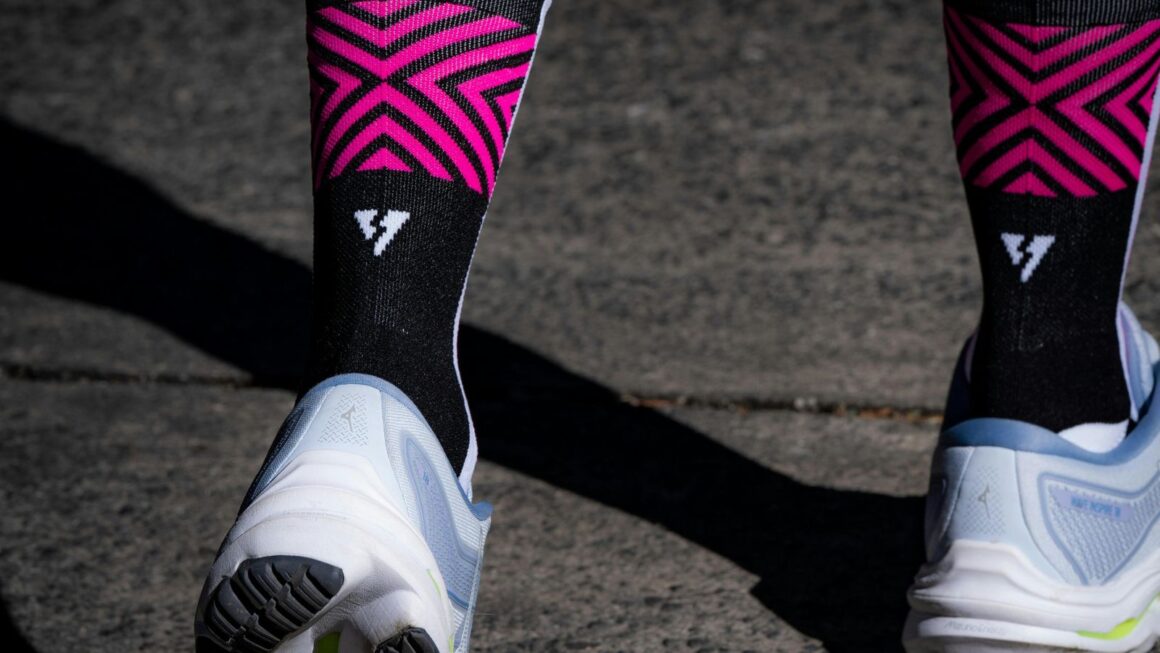
Many models of sports socks have additional cushioning inserts in the heel and toe areas. This helps protect the skin of the feet and reduce stress on the joints and spine, especially when running or under heavy loads. The specific foot for which each sock is intended is also taken into account, with R (right) and L (left) markings.
Some models have a compression effect, which can improve blood flow and promote rapid recovery after training.
Odor Protection
Many sports socks (as well as sneaker insoles) are treated with special antibacterial agents that prevent unpleasant odors even after long workouts.
This does not eliminate the need to wash them regularly. Usually, a quick cycle in the washing machine is sufficient, and after spinning, they will be almost dry.