

Traumatic brain injuries (TBIs) are life-altering catastrophes that can leave survivors dealing with physical, mental, and financial difficulties. When faced with a settlement offer, it is crucial for victims to carefully evaluate the full scope of their losses to ensure adequate compensation. Let’s look at key considerations brain injury victims must weigh before accepting a settlement.
Loss of Income and Earning Capacity
A brain injury can profoundly impact a victim’s ability to earn a living. While some individuals may only temporarily lose income during recovery, others may suffer permanent reductions in earning capacity due to lasting cognitive or physical impairments. For younger victims, the long-term financial consequences, such as limited career growth or early retirement, must be carefully considered when evaluating a settlement.
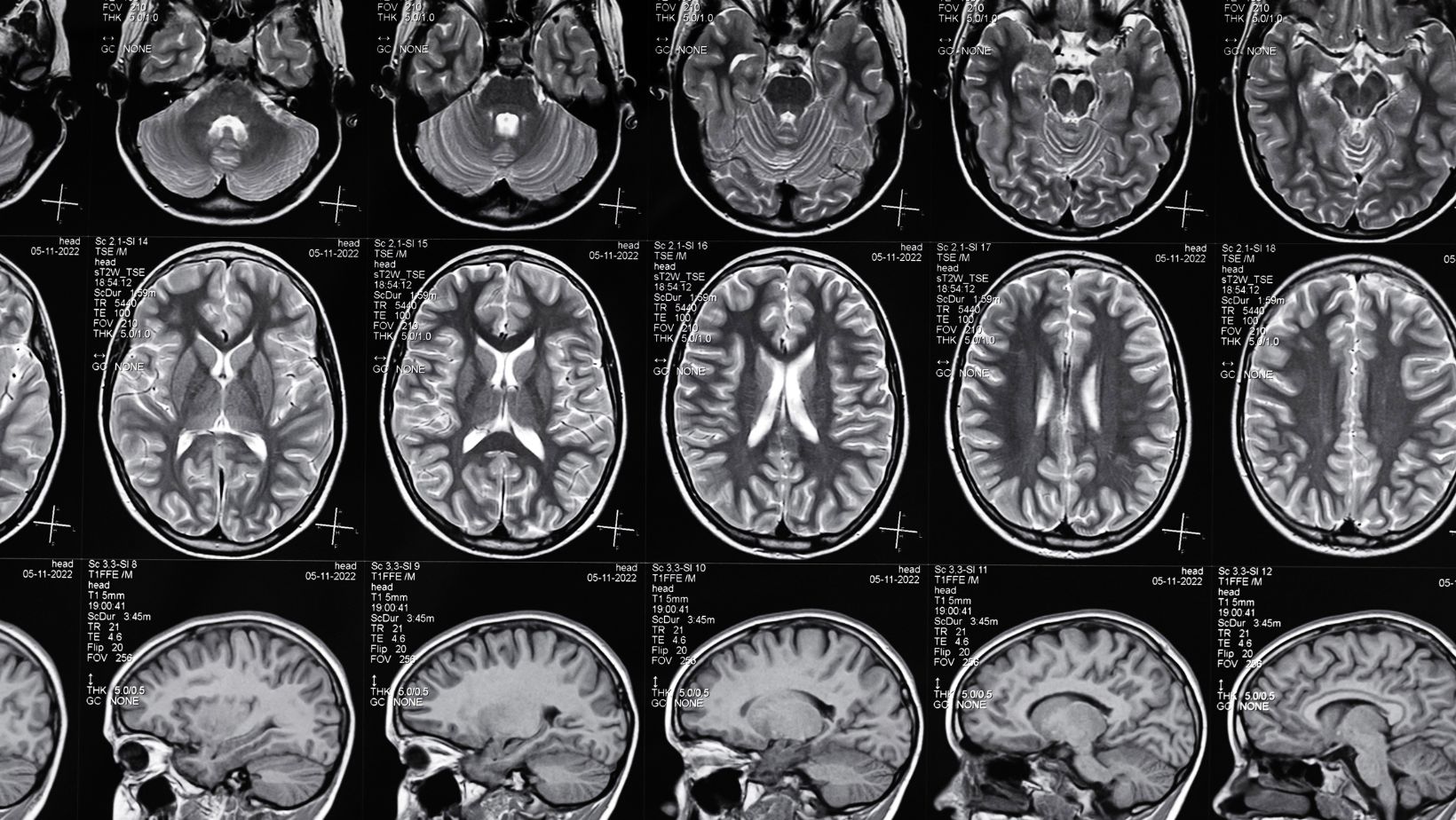
A trusted brain injury lawyer at Galine, Frye, Fitting & Frangos, LLP can help ensure that any compensation reflects not only the wages already lost but also the future earning potential affected by the injury. Their experience handling complex injury claims can make a critical difference in securing a fair and comprehensive financial recovery.
Immediate and Long-Term Medical Expenses
Brain injuries often demand extensive medical care, including emergency treatment, surgeries, rehabilitation, and ongoing therapy. Severe TBIs may require lifelong care, assistive devices, or home modifications. Settlements should account for both current medical bills and anticipated future expenses to avoid financial strain later. Comprehensive medical evaluations are essential to estimate the full extent of these costs.
Pain and Suffering
Beyond tangible costs, TBIs often result in profound emotional and psychological distress. Victims may endure chronic pain, memory loss, mood swings, or difficulty maintaining relationships.

These non-economic damages, commonly called “pain and suffering,” are harder to quantify but deserve recognition in any settlement. The more severe the injury’s impact on quality of life, the higher this compensation component should be.
Impact on Daily Life and Relationships
TBIs can disrupt a victim’s ability to perform daily tasks, engage in hobbies, or maintain personal relationships. This diminished quality of life is an essential factor when calculating non-economic damages. A victim who loses the ability to care for themselves or participate in family activities may require additional compensation for these losses.
Future Medical Uncertainty
Symptoms of brain injuries often evolve. Delayed complications such as memory issues or cognitive decline may not emerge until weeks or months after the injury. Accepting a premature settlement could leave victims without recourse if their condition worsens or unexpected medical needs arise. A thorough prognosis from medical professionals is critical before agreeing to any offer.
Wrapping Up
The strength of the evidence supporting your claims, such as medical records, expert testimony, and proof of negligence, affects the potential settlement amount. Cases with compelling evidence often yield higher compensation because they present a more substantial likelihood of success at trial. Consulting an experienced attorney can help assess whether the settlement offer reflects the merits of your case.
Brain injury settlements are more than just financial agreements; they represent an opportunity for victims to secure their future well-being. Evaluating all aspects of your losses with the help of legal and medical professionals is essential to achieving fair compensation. A rushed decision could leave you under-compensated for lifelong challenges stemming from your injury.