
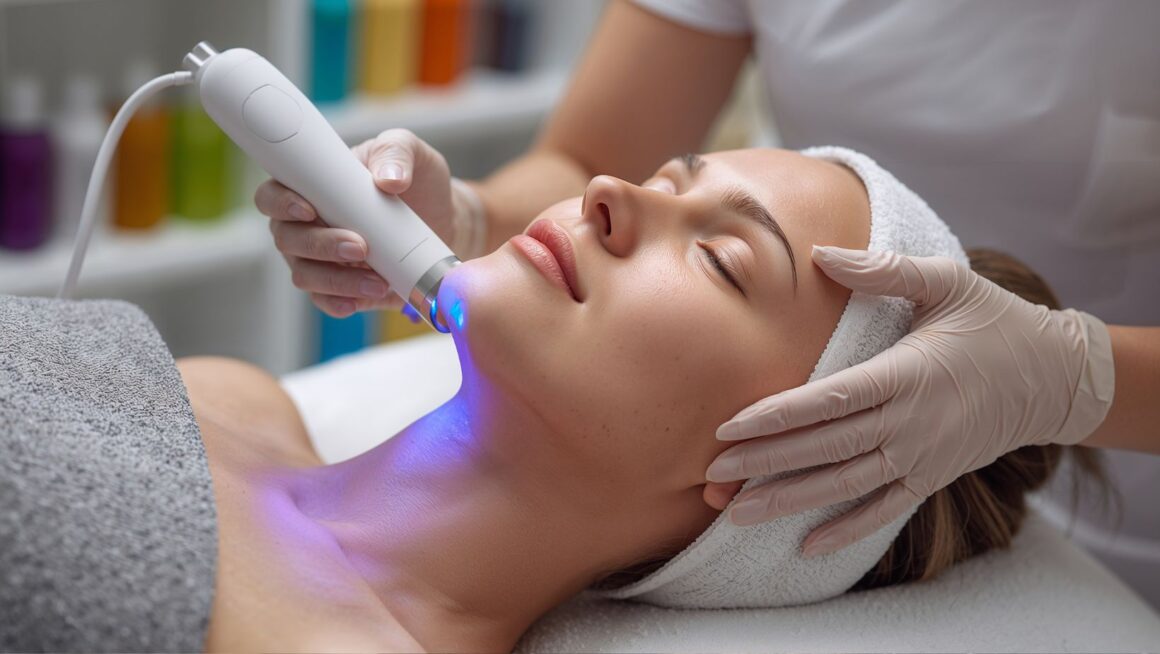
Cosmetic care has quietly shifted over the last decade. It is no longer only about dramatic transformations or one size fits all solutions. Today’s cosmetic clinic is built around subtlety, science, and personalization. People are not chasing perfection. They are looking for comfort in their own skin, realistic improvements, and treatments that respect how their body actually works.
This shift is especially visible in body focused aesthetics. From skin laxity and stubborn fat to post pregnancy changes and age related concerns, modern clinics are redefining what body care looks like. The focus is less on extremes and more on restoring balance, tone, and confidence through thoughtful, evidence driven care.
Just beneath this broader category sits the concept of a Body Clinic. Not as a marketing label, but as a dedicated approach where body treatments are planned with the same level of detail, consultation, and clinical oversight once reserved only for facial aesthetics.
Understanding the Role of a Cosmetic Clinic in Body Treatments
A cosmetic clinic is often associated with facial injectables, lasers, and skin rejuvenation. While those remain important, the scope has expanded. Body treatments now form a core part of many clinics because body concerns are often more complex and emotionally layered than facial ones.
Unlike over the counter solutions or fitness trends, cosmetic body treatments operate within a medical framework. They consider fat distribution, skin elasticity, hormonal changes, and lifestyle factors. This clinical lens helps ensure results that look natural and integrate smoothly with the rest of the body.
What sets a cosmetic clinic apart is not the equipment alone. It is the diagnostic process. A proper assessment looks at posture, fat composition, muscle tone, and skin health before suggesting any intervention. This is where outcomes become refined rather than artificial.
Why Body Aesthetic Care Has Gained Momentum
Body focused cosmetic care is growing because people want solutions that sit between surgery and doing nothing. Non invasive and minimally invasive treatments have improved significantly in both safety and effectiveness.
Recent global data shows that non surgical body contouring procedures continue to rise year over year, driven by demand for treatments with little downtime and predictable outcomes. According to the American Society of Plastic Surgeons, non surgical fat reduction procedures have remained among the most requested cosmetic treatments worldwide in recent reporting years.
This growth is not about vanity alone. It reflects changing expectations around wellness, aging, and self care. People want to feel aligned with their body, not in conflict with it.
The Science Behind Modern Body Treatments
Modern body treatments are grounded in biology rather than trends. Technologies target fat cells, stimulate collagen, or improve lymphatic drainage based on how tissues respond to controlled energy or compounds.
Common approaches include:
• Fat cell disruption using cold, heat, or ultrasound
• Skin tightening through radiofrequency or collagen stimulation
• Muscle toning through electromagnetic stimulation
• Texture improvement using regenerative or injectable therapies
Each method works on a specific layer of the body. Fat, muscle, and skin are treated differently, and effective clinics respect that separation.
Importantly, these treatments are often cumulative. Results develop gradually as the body metabolizes treated cells or rebuilds collagen. This slower progression is one reason outcomes tend to look natural rather than abrupt.
Personalization Over Protocols
One of the biggest mistakes in body aesthetics is treating everyone the same. Two people with similar concerns may need entirely different approaches based on age, metabolism, and skin quality.
A well run cosmetic clinic avoids rigid packages. Instead, it builds treatment plans that evolve. Initial sessions may focus on fat reduction, followed by skin tightening or texture refinement. Progress is reassessed regularly rather than assumed.
This personalized model also reduces overtreatment. Not every concern requires aggressive intervention. Sometimes subtle adjustments deliver the most confidence boosting results.
Psychological Aspects of Body Aesthetic Care
Body image is deeply personal. Unlike facial features, body concerns are often tied to life stages such as weight fluctuations, pregnancy, or aging. Cosmetic clinics that understand this tend to emphasize consultation as much as treatment.
A strong practitioner does not sell procedures. They listen. They help patients articulate what feels uncomfortable and what improvement would actually change their daily experience.
This patient centered approach aligns with a growing body of research linking satisfaction with aesthetic treatments to realistic expectations and informed decision making. According to a recent review published by the National Institutes of Health, patient education and expectation management significantly influence post treatment satisfaction in cosmetic procedures.
https://www.ncbi.nlm.nih.gov/pmc/articles/PMC8570058/
Safety and Regulation in Cosmetic Body Care
Body treatments may look simple on the surface, but they involve biological processes that require medical oversight. This is why clinic based care matters.
Qualified cosmetic clinics operate within strict protocols. They screen for contraindications, understand anatomical risks, and know when not to treat. This level of caution is essential, especially as non medical settings increasingly offer aesthetic services without adequate training.
A clinical environment also ensures proper aftercare. Swelling, sensitivity, or delayed responses are managed professionally rather than dismissed.
Integrating Body Treatments with Overall Wellness
The most effective cosmetic clinics do not treat the body in isolation. They acknowledge that sleep, nutrition, stress, and movement influence outcomes.
Body treatments often work best when paired with sustainable lifestyle habits. Clinics may offer guidance on hydration, protein intake, or recovery strategies that support tissue healing and collagen production.
This holistic mindset reflects a broader shift in aesthetic medicine toward long term skin and body health rather than quick fixes.
What to Expect From a Thoughtful Body Focused Clinic Experience
A high quality body focused cosmetic experience usually includes:
• A detailed consultation that explores goals and medical history
• Clear explanations of how treatments work and what they can realistically achieve
• Gradual treatment plans rather than single session promises
• Follow ups to monitor progress and adjust approach
This structure builds trust. It also ensures that results feel earned and sustainable rather than artificial.
The Future of Cosmetic Clinics and Body Care
As technology advances, cosmetic clinics will continue to blur the line between aesthetics and wellness. Body treatments will become more precise, more personalized, and more integrated into broader health conversations.
What will not change is the importance of clinical integrity. The best outcomes come from clinics that respect the complexity of the human body and the individuality of each patient.
Body confidence is not about changing who you are. It is about supporting the body you live in. When cosmetic care is approached with expertise, restraint, and empathy, it becomes less about appearance and more about alignment.
In that sense, the evolution of the cosmetic clinic is not just technical. It is philosophical. And for many people, that shift makes all the difference.