
You’re ready to support your health goals with a high-protein diet. You understand its power to build muscle, manage weight, and keep you energized. But the reality of daily execution—planning meals, finding new recipes, and creating detailed shopping lists—can feel overwhelming and incredibly time-consuming. It’s often the biggest barrier between knowing what to do and actually doing it.
This guide is designed to remove that barrier. We will not only provide a free, downloadable high-protein meal plan complete with recipes and shopping lists but also explain the core benefits and strategies to make this lifestyle work for you. We’ll cover why protein is so effective for your goals, how much you really need, and what a delicious, satisfying day of high-protein eating looks like.
Key Takeaways
- A high-protein diet is scientifically proven to support weight management by increasing satiety and helping preserve muscle mass during weight loss.
- The key to success is planning, but you don’t have to do it alone—this article provides a link to a comprehensive, free high-protein meal plan PDF with recipes and shopping lists.
- Building a simple shopping list focused on lean proteins, vegetables, and healthy fats makes grocery shopping efficient and keeps you on track.
- Meal prepping, even simple steps like cooking proteins in advance, is the most effective strategy for sticking to your plan during a busy week.
Your Free High-Protein Meal Plan PDF [The Immediate Solution]
While understanding the benefits of protein is the first step, the real challenge is putting it into practice consistently. Planning meals, finding diverse and tasty recipes, and creating a new shopping list every week can feel like a full-time job. It’s easy to get discouraged and fall back into old habits.
To help you get started right away without any of the guesswork, we’ve created a comprehensive and completely free resource. It’s the perfect tool to bridge the gap between your goals and your daily actions.
Download your complete high-protein meal plan PDF here, complete with over 50 recipes, two full weekly meal plans, and organized shopping lists.
The Science-Backed Benefits of a High-Protein Diet
Adopting a high-protein diet isn’t just a trend; it’s a nutritional strategy supported by extensive scientific research. Understanding the “why” behind this approach can provide powerful motivation to stick with your plan and appreciate the positive changes happening in your body.
Supports Weight Management and Satiety
One of the most significant advantages of protein is that it’s the most satiating macronutrient. In simpler terms, it helps you feel fuller for longer after a meal compared to fats or carbohydrates. This effect is a game-changer for anyone looking to manage their weight.
This happens because protein has a direct impact on your body’s appetite-regulating hormones. As a 2020 review found, higher protein intake helps reduce levels of ghrelin, often called the “hunger hormone,” while boosting hormones that signal fullness. By curbing hunger and reducing cravings, you’re naturally less likely to overeat or reach for unhealthy snacks between meals.
Preserves Lean Muscle Mass
When you’re in a calorie deficit to lose weight, your body doesn’t just burn fat—it can also break down muscle tissue for energy. This is counterproductive, as muscle is metabolically active and essential for a strong, toned physique.
Providing your body with adequate protein gives it the essential building blocks (amino acids) it needs to repair and preserve this valuable muscle tissue. In fact, a meta-analysis of 47 studies concluded that increased protein intake significantly prevents muscle mass decline in adults aiming for weight loss. Maintaining your muscle isn’t just about looks; it’s crucial for keeping your metabolism firing efficiently.
How Much Protein Do You Actually Need?
“How much protein should I eat?” is one of the most common questions in nutrition, and the answer isn’t one-size-fits-all. Your ideal protein intake can vary based on factors like your age, sex, body weight, and especially your activity level.
However, we can look to authoritative sources for excellent starting points. The National Academy of Medicine recommends that protein should make up 10% to 35% of your daily calories. This wide range allows for flexibility based on individual needs.
For individuals specifically focused on weight management, experts often suggest aiming higher within that range. A target of 1.0 to 1.2 grams of protein per kilogram of body weight can be particularly effective for maximizing satiety and muscle preservation during a calorie deficit. Our provided meal plan is designed to help you easily meet these higher protein targets without needing to perform complex daily calculations.
What a Day on a High-Protein Meal Plan Looks Like
A common misconception is that a high-protein diet is repetitive or restrictive. In reality, it can be incredibly delicious, varied, and satisfying. A successful plan is built on balanced meals that are both nutritious and genuinely enjoyable.
Here’s a snapshot of what a typical day might look like:
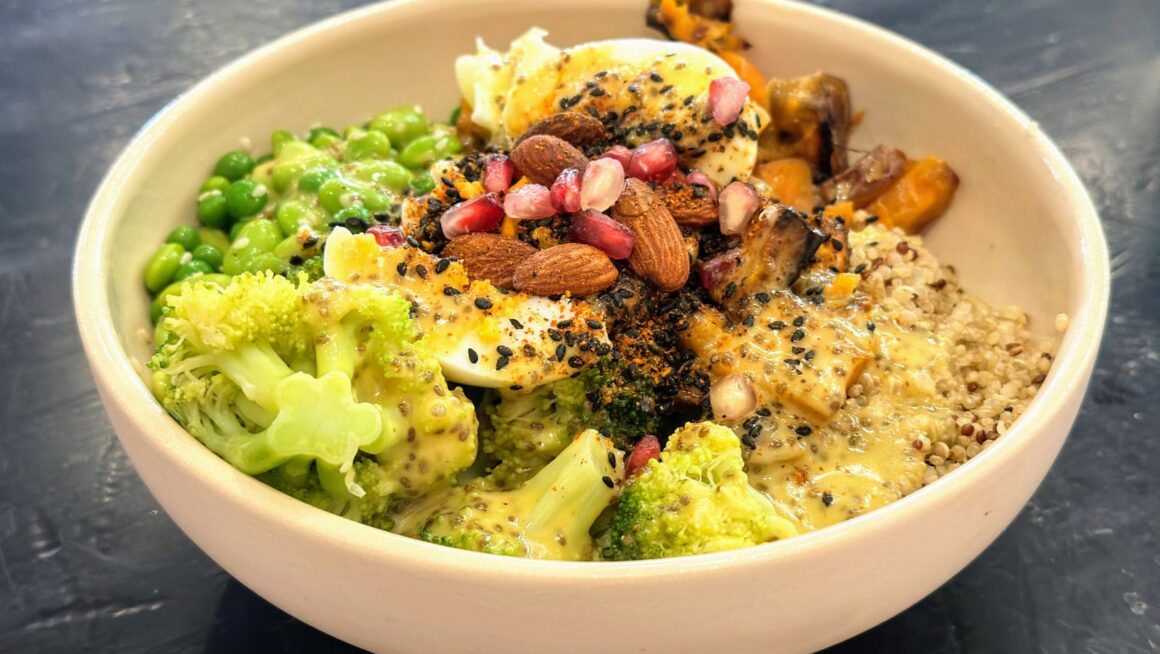
- Breakfast Example: Start your day strong with a Greek Yogurt Parfait. Layer plain Greek yogurt with fresh berries for antioxidants and a sprinkle of nuts or seeds for healthy fats and crunch. This combination fuels your morning and keeps you full until lunch.
- Lunch Example: A Chicken and Quinoa Salad with mixed greens and a lemon vinaigrette is a perfect make-ahead lunch. It provides a lean protein source, complex carbs for sustained energy, and plenty of fiber, preventing that dreaded afternoon energy slump.
- Dinner Example: For dinner, a simple Baked Salmon with roasted broccoli and a side of sweet potato delivers a powerful combination of high-quality protein, heart-healthy omega-3 fatty acids, and essential vitamins and minerals.
These are just a few ideas to get you started. The downloadable recipe pack offers over 50 different options to ensure you never get bored and always have a delicious, protein-packed meal to look forward to.
Building Your High-Protein Shopping List
A well-stocked kitchen is your best defense against making poor food choices when you’re hungry and tired. When healthy, protein-rich options are readily available, sticking to your plan becomes almost effortless. Focusing your shopping list on whole foods across several key categories will make your grocery trips faster and more efficient.
Use this table as a simple guide for your next trip to the store.
| Category | Examples |
|---|---|
| Lean Meats | Chicken breast, turkey breast, lean ground turkey, lean beef |
| Fish & Seafood | Salmon, tuna, cod, tilapia, shrimp |
| Plant-Based Proteins | Lentils, chickpeas, black beans, tofu, tempeh, edamame |
| Dairy & Eggs | Greek yogurt, cottage cheese, eggs, milk, cheese |
| Vegetables | Spinach, kale, broccoli, bell peppers, Brussels sprouts, cauliflower |
| Healthy Fats | Avocado, nuts (almonds, walnuts), seeds (chia, flax), olive oil |
| Complex Carbs | Quinoa, brown rice, oats, sweet potatoes, whole-grain bread |
Of course, our meal plan’s pre-made shopping lists take all the guesswork out of this process for your first two weeks, telling you exactly what and how much you need to buy.
Tips for Meal Prep Success
You don’t need to spend your entire Sunday locked in the kitchen to be successful with meal prep. The goal is to make your weekdays easier, not to add another chore to your weekend. Integrating a few simple habits can make a massive difference.
- Start Small: If you’re new to meal prep, don’t try to cook every meal for the entire week. Begin by prepping just one or two components. For example, batch-cook a versatile protein like grilled chicken or a healthy grain like quinoa. You can then easily add these to salads or bowls throughout the week.
- Chop Ahead: One of the most time-consuming parts of daily cooking is the prep work. Take 30 minutes to wash and chop vegetables like onions, bell peppers, and carrots. Store them in airtight containers in the fridge, and they’ll be ready to toss into a stir-fry, omelet, or soup at a moment’s notice.
- Portion Snacks: To avoid grabbing unhealthy options when hunger strikes, portion out your snacks ahead of time. Divide nuts, seeds, cottage cheese, or Greek yogurt into small, grab-and-go containers. This makes it easy to make a healthy choice when you’re in a hurry.
To make this process even simpler, many of the recipes in our downloadable pack are marked as “Meal Prep/Freezer Friendly.”
Take the Guesswork Out of Healthy Eating
Switching to a high-protein diet is a powerful and proven strategy to support your fitness goals, manage hunger, and preserve lean muscle. It’s a foundation for building a stronger, healthier body.
As we’ve seen, the biggest hurdle isn’t knowing that protein is good for you; it’s the planning and preparation required to eat this way consistently. But with the right tools, what seems complicated can become simple and sustainable.
You now have the “why” and the “how”—the science behind protein and the practical strategies for shopping and prepping. Now it’s time to take action.
If you haven’t already, download your free High-Protein Recipe Pack to get started today with a clear, delicious, and easy-to-follow plan.