
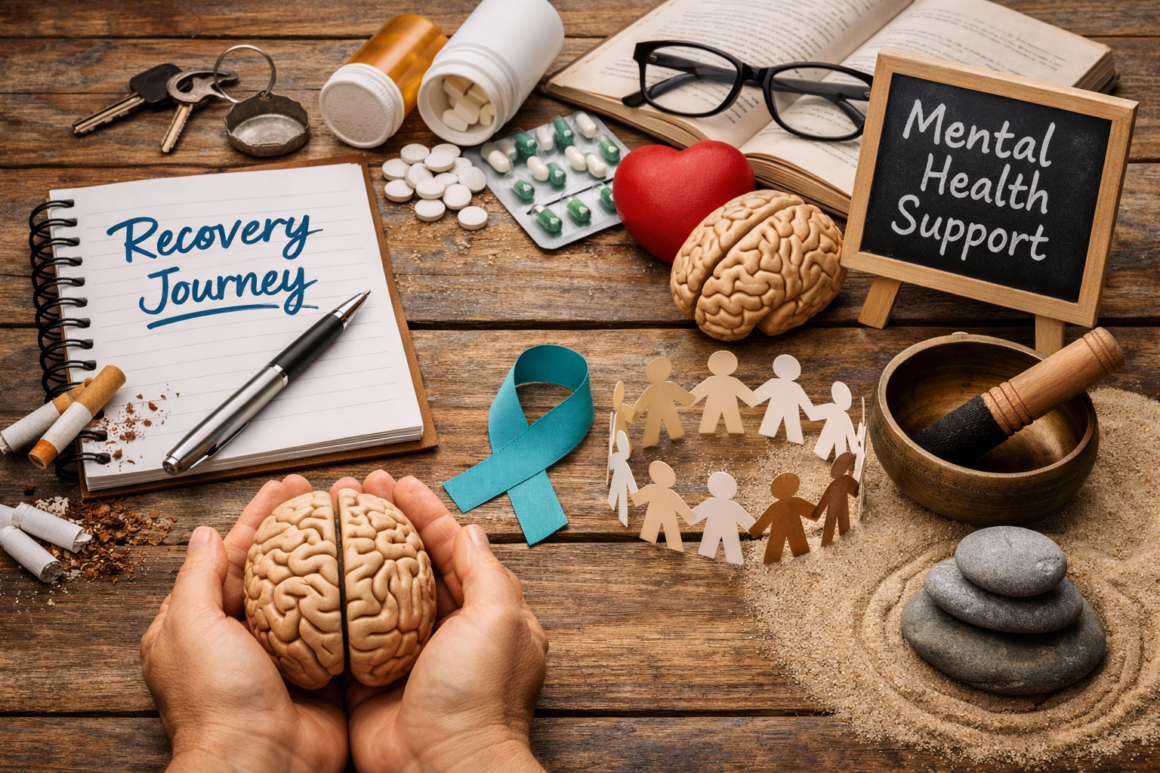
Imagine someone trapped in the cycle of addiction. They may have tried quitting multiple times, only to fall back into old patterns. Recovery isn’t just a matter of willpower—it often hinges on addressing the underlying mental health issues that fuel substance use.
Understanding the Connection Between Mental Health and Addiction
Addiction rarely exists in isolation. Studies show that nearly half of people with a substance use disorder also face a co-occurring mental health condition, such as depression, anxiety, or PTSD. These dual diagnoses complicate recovery because untreated mental health challenges can drive continued substance use as a form of self-medication, which is why integrated care through programs like drug rehab Texas can be an important part of comprehensive treatment.
For instance, someone struggling with severe anxiety might use alcohol or drugs to calm their nerves. While this may provide temporary relief, it ultimately worsens both the mental health condition and the addiction. Without addressing mental health, the risk of relapse remains high.
Why Mental Health Support Matters
Mental health support equips individuals with strategies to manage stress, emotions, and trauma—often the root causes of addictive behavior. This support can take many forms, including therapy, counseling, peer groups, or holistic approaches like mindfulness or art therapy.
When mental health is treated alongside addiction, recovery becomes more sustainable. The goal isn’t just to stop using substances—it’s to rebuild a life where challenges can be faced without turning back to addiction. Cognitive-behavioral therapy (CBT), for example, helps individuals identify and change negative thought patterns that influence both mental health and substance use, fostering healthier coping skills.
Equally important is the role of community. Supportive relationships with family, friends, and peers can act as a safety net. Group therapy or support networks, like Alcoholics Anonymous or Narcotics Anonymous, provide shared experiences and accountability, reinforcing that no one has to face recovery alone. This sense of belonging can boost motivation and resilience, especially when navigating co-occurring mental health and addiction issues.
Common Forms of Mental Health Support in Recovery
Cognitive Behavioral Therapy (CBT)
CBT is one of the most widely used therapies in addiction treatment. It focuses on recognizing negative thought patterns and behaviors that lead to substance use, while teaching healthier responses to triggers.
Research consistently shows that CBT can reduce relapse rates and improve coping skills. Sessions often include practical exercises like journaling, role-playing, and mindfulness techniques, helping individuals apply new strategies in real-life situations.
Medication-Assisted Treatment (MAT)
For certain addictions—particularly alcohol or opioid dependence—medications can play a critical role. Options such as methadone, buprenorphine, or naltrexone help manage cravings and withdrawal symptoms, making it easier for individuals to focus on therapy and recovery.
MAT is most effective when paired with counseling and behavioral support, addressing both the physical and psychological aspects of addiction. Tailoring medication to individual needs also strengthens trust between the patient and healthcare providers, a key factor in long-term recovery.
Peer Support and Group Therapy
Connecting with others who understand the struggle can be transformative. Peer support programs like 12-step groups or SMART Recovery create a sense of community and accountability. Group therapy sessions offer a safe space to share experiences, learn from others, and practice social skills.
These interactions often foster hope, motivation, and lasting friendships that extend beyond therapy. The diverse perspectives within a group can also provide new insights and coping strategies, helping individuals navigate recovery more effectively.
How Mental Health Support Helps Prevent Relapse
Relapse is common and doesn’t signal failure—it often indicates that mental health needs weren’t fully addressed. Ongoing support helps people identify early warning signs and develop strategies to prevent returning to substance use.
For example, someone with depression may notice mood swings or social withdrawal before reaching for substances again. Continuous therapy teaches recognition of these signals and proactive steps to cope.
In addition, mental health support encourages lifestyle habits that strengthen resilience. Regular exercise, proper sleep, balanced nutrition, and stress management all contribute to a stable foundation for recovery.
Overcoming Barriers to Mental Health Support

Many individuals face challenges accessing mental health care, from stigma and fear of judgment to financial constraints or limited availability of specialized providers.
Reducing Stigma and Raising Awareness
Education is key. Community programs and public health initiatives that normalize mental health struggles encourage more people to seek help. Healthcare providers trained to treat dual diagnoses can also improve outcomes through compassionate, integrated care.
Expanding Access Through Telehealth and Community Resources
Telehealth has made mental health services more accessible, especially for those in rural or underserved areas. Virtual sessions offer privacy, convenience, and flexibility, removing many barriers to treatment.
Community organizations and peer-led initiatives can complement formal care, providing ongoing support and resources for those in recovery. These programs often bridge gaps in the healthcare system, creating a more supportive environment overall.
Building a Holistic Recovery Plan
Recovery isn’t just about quitting substances—it’s about rebuilding life. A comprehensive plan addresses mental health, physical wellness, social connections, and personal goals.
Mental health support is the foundation of this approach. It helps individuals heal from trauma, manage co-occurring disorders, and develop resilience. When combined with medical care, peer support, and lifestyle changes, mental health interventions significantly improve the chances of lasting recovery.
For those seeking professional care, programs specializing in Addiction Treatment in CA often provide integrated approaches that address both mental health and substance use, offering the tools needed for a sustainable, meaningful recovery.
Ultimately, overcoming addiction is about reclaiming control, finding purpose beyond substances, and building a life where mental well-being is supported every step of the way.