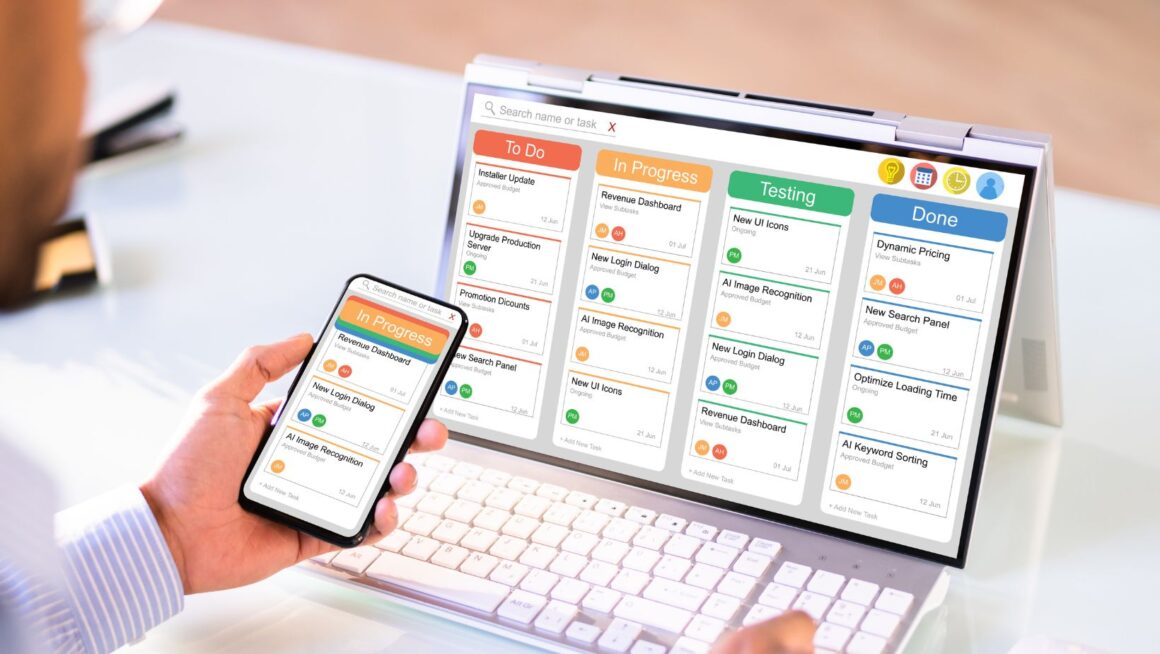
When people think about software or coding, they imagine something inside a laptop or phone. However, it’s far from being the only case. More and more of such products live inside usual, everyday objects: a car, a washing machine, a heart monitor, or a factory sensor. You buy those things for what they do in the physical world, yet a substantial part of their value comes from software that watches, decides, adjusts, and responds in real time.
A thermostat or braking system may look like hardware first, but the real behavior comes from software, which is why embedded software development services now sit much closer to product strategy than many buyers realize. When the code is good, the product feels simple. When the code is clumsy, even beautiful hardware starts to feel dated, slow, or strangely out of sync with real life.
The Moment Hardware Starts Making Decisions
The old picture of a product was easy to grasp. A toaster heated bread, a car moved down the road, and a medical device measured something inside the body. Now each of those products also senses conditions, makes small decisions, and adapts to changing inputs. That small job-specific computer is the heart of embedded systems, which combine hardware and software for one clear function instead of trying to act like a general-purpose computer.
That difference matters because people do not judge these products by menus or icons alone. They judge them by feel. Does the car brake at the right moment, does the insulin pump respond safely, does the oven keep a steady temperature, and does the battery tool stop before it overheats? In all of those cases, the software is not decoration around the product. It is the part that turns a physical object into a reliable experience.
How Embedded Software Started Defining the Product Itself
The car business is probably the most prominent example of this change. Major manufacturers are racing toward software-defined vehicles because the software now shapes safety features, driver assistance, updates, privacy questions, and the pace of future improvements. The hardware still gives the car its body, but the software gives it its behavior.
The same thing is happening in healthcare, where some medical devices rely on software so heavily that the software is not just supported around the device but part of the device itself. That raises the stakes. A small error is no longer a glitch that annoys a user for ten seconds. It can change safety, trust, maintenance, and regulation all at once.
Home products sit in the middle of these two worlds. They look familiar and domestic, yet more of them now track use, save preferences, coordinate with other devices, and improve through updates long after the box leaves the store. Therefore, the software inside a product now helps shape its lifespan, not just its first impression on the shelf.
What Happens Behind the Plastic and Metal
Once a product stops being purely mechanical, the hidden software starts carrying several jobs at the same time:
- It turns signals into decisions. A sensor reading by itself means very little. The code has to decide whether a temperature is normal, whether a motor should slow down, or whether a warning should appear before damage spreads.
- It keeps parts in sync. In a product with batteries, motors, screens, and sensors, each part has to move in step with the others. Good software keeps that flow stable so the product feels calm and predictable instead of jumpy or confused.
- It continuously improves the product. Updates can repair problems, sharpen performance, improve safety, and add new behavior. That changes the role of software completely, as it is no longer just part of the engineering work, but part of the product’s long-term value.
What Makes This Kind of Software So Valuable
As this layer grows more important, buyers pay closer attention to the teams building it. The best embedded software development companies are not just writing code for chips and boards. They are working in the tense, practical space where hardware limits, safety needs, battery life, user habits, and update plans all meet in one product.
A strong embedded software development service has to respect the fact that physical products live in the real world, where heat, vibration, weak signals, human error, and long product life make everything harder. That is why this work feels different from standard app building. The code cannot just be clever. It has to be disciplined, readable, and durable enough for a device that may stay in use for years.
The real challenge in embedded software development is that success looks almost invisible from the outside. A customer does not praise scheduler logic or memory use in everyday language. That customer says the device starts quickly, the screen responds, the battery lasts, and the product never behaves strangely. Firms such as N-iX work in that hidden layer, where the job is to make the software disappear into the product so completely that the product simply feels right.
There is also a business reason this matters. When software defines more of the experience, companies can no longer treat it as a final add-on after the hardware is nearly done. They need it close to product planning from the start, because code now affects cost, support, updates, compliance, and reputation at the same time.
Conclusion
The products people stop thinking about as computers are usually the clearest proof that software has moved into the center of everyday life. A car, monitor, pump, lock, or thermostat still looks like a physical object, yet its timing, safety, intelligence, and staying power now depend on code. That is why embedded work matters so much. It gives ordinary products their behavior, and behavior is what people remember. The brands that understand this are not chasing software for style. They are building products that keep making sense after the first sale, which is where real product value now lives.