
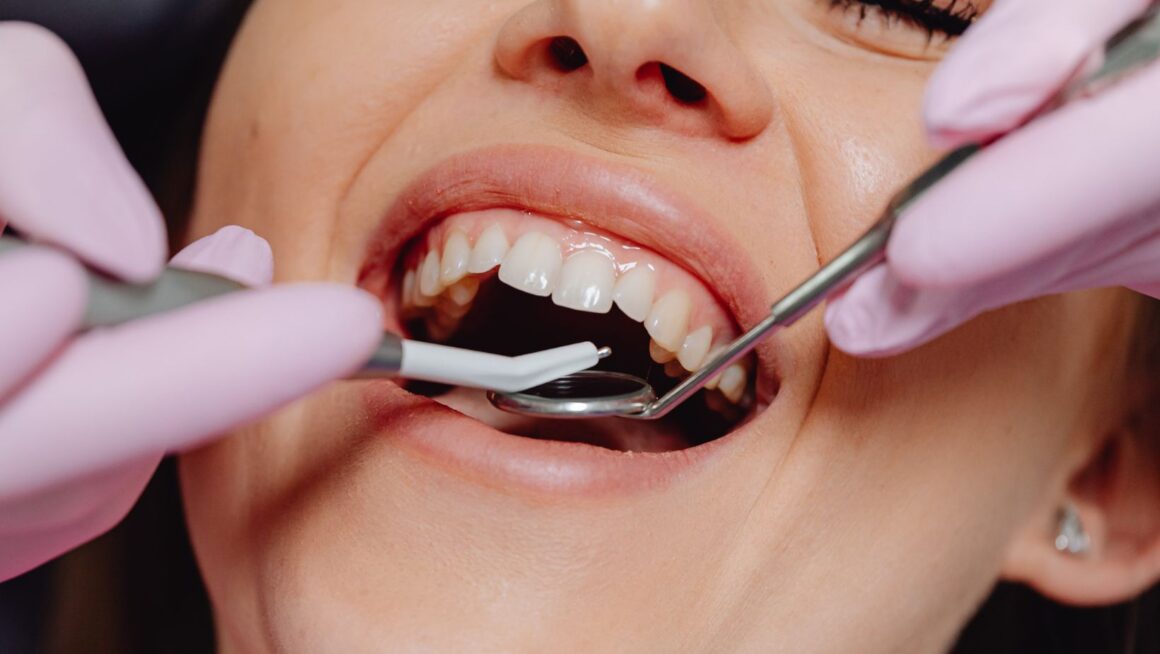
Losing one or more teeth can make chewing, speaking, and smiling feel awkward, but you don’t have to accept those problems. You can choose from several proven options in Munster, from a single implant or bridge to dentures or implant-supported bridges for larger gaps, so you can get function and confidence back.
This article will explain how tooth loss affects your mouth, show practical choices for one missing tooth and for multiple missing teeth, and help you weigh what fits your needs, budget, and lifestyle in Munster, IN. Expect clear comparisons of implants, bridges, and dentures so you can pick the solution that works best for your situation.
Understanding Tooth Loss and Its Impact
Losing one or more teeth can change how you chew, speak, and feel about your smile. It also affects the bone and teeth around the gap and can lead to more dental work if you wait.
Common Causes of Missing Teeth
Tooth decay and gum disease are the top reasons adults lose teeth. Untreated cavities weaken tooth structure until extraction becomes necessary. Advanced gum disease (periodontitis) destroys the bone that holds teeth, causing them to loosen and fall out.
Injuries and accidents also cause tooth loss. Sports impacts, falls, or car crashes can knock out teeth or damage roots beyond repair. You can also lose teeth from bruxism (chronic teeth grinding) and failed dental work like broken crowns or large fillings.
Some people are born missing certain teeth (congenitally missing teeth). Medical conditions and treatments, such as cancer therapy, can increase the risk of losing teeth too.
Consequences of Untreated Tooth Loss
A missing tooth lets adjacent teeth tilt or drift toward the empty space. That shifting changes your bite and can cause uneven wear, jaw pain, and new chewing problems.
Bone in the jaw starts to shrink where a tooth is missing. Over months to years, this bone loss can change your facial shape and make it harder to place implants later. It also raises the risk of further tooth loss and may increase gum disease or infections.
Gaps can affect speech and make certain sounds harder to pronounce. You might avoid smiling or social situations, which can lower your confidence and affect daily life.
Importance of Timely Tooth Replacement
Replacing teeth quickly helps protect neighboring teeth and jawbone. Options like dental implants, bridges, or partial dentures restore chewing and reduce movement of nearby teeth.
Early replacement preserves bone and makes treatments easier and more predictable. For example, implants maintain bone height, while bridges require altering adjacent teeth. Your overall health matters too—if you have diabetes or smoke, discuss timing and choice of treatment with your dentist.
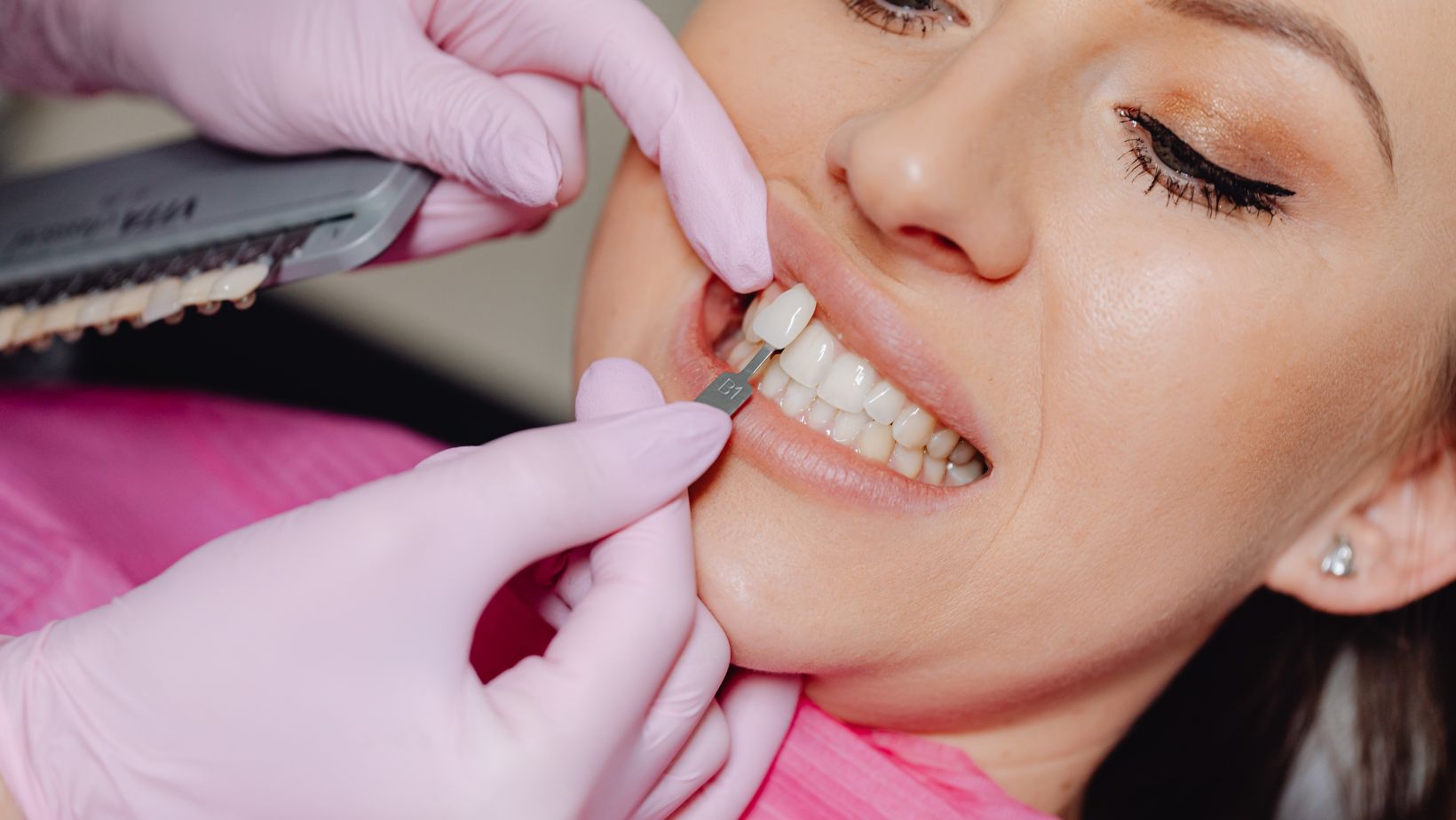
Cost, appearance, and function all factor into the best solution. Your dentist in Munster will review your oral health, medical history, and budget to recommend the right option for your situation.
Single Tooth Replacement Solutions
You can replace a single missing tooth with options that vary by cost, longevity, and how much nearby tooth structure they affect. Choose between a long-term surgical solution, a fixed bridge that uses neighbor teeth, or a removable partial denture you can take out to clean.
Dental Implants for a Single Tooth
A dental implant replaces both the root and the crown. Your dentist places a titanium implant into the jawbone, lets it fuse (usually 3–6 months), then attaches an abutment and a custom crown that matches your nearby teeth.
Benefits include strong chewing ability, no changes to adjacent teeth, and bone preservation at the implant site. Implants last many years when you care for them with daily brushing, flossing, and regular dental visits.
Considerations: implants require enough jawbone and good overall health. You may need a bone graft if the bone is thin. The upfront cost is higher than other options, and treatment takes months.
Traditional Dental Bridges
A traditional bridge fills the gap by anchoring a false tooth (pontic) to crowns on the two adjacent teeth. Your dentist reshapes the neighbor teeth to fit crowns, then cements the bridge in place.
Advantages include faster treatment than implants and a fixed, non-removable solution that restores appearance and function. Bridges often work well when the adjacent teeth already need crowns.
Drawbacks include permanent alteration of healthy teeth and higher long-term risk of decay or root canal on those supporting teeth. Bridges may not prevent bone loss under the missing tooth the way implants do.
Removable Partial Dentures for One Tooth
A single-tooth removable partial denture (a flipper or acrylic partial) clips into your mouth to replace one tooth. It’s usually made of acrylic and metal clasps and can be made quickly and affordably.
This option preserves nearby teeth because it doesn’t require major reshaping. It’s good as a temporary or budget-friendly solution and is easy to adjust or replace.
Limitations include less stability and chewing strength than implants or bridges. Clasps may be visible, and the prosthetic can feel bulkier. You must remove it each night for cleaning and to protect your gums.
Options for Replacing Multiple Missing Teeth
You can choose solutions that restore chewing, speech, and the look of your smile. Options vary by how many teeth are missing, your jawbone health, and your budget.
Implant-Supported Bridges
An implant-supported bridge uses two or more dental implants to hold a row of replacement teeth. You avoid altering healthy neighboring teeth because anchors replace roots, not crowns.
This option works well when a group of adjacent teeth is missing. It provides better chewing strength and bone stimulation compared with a traditional bridge.
Expect surgery for implant placement, a healing period for osseointegration (often 3–6 months), and then attachment of the bridge. Costs run higher than removable options, but implants often last longer with proper care. You will need good jawbone volume or a graft before implants in some cases.
Full and Partial Dentures
Partial dentures replace several missing teeth and clip onto remaining teeth or clasps. They are removable and cost-effective for gaps that are not large enough to require implants right away.
Full dentures replace all teeth in an arch and rest on the gums. Modern acrylic and acrylic-on-metal designs can look natural and restore basic function.
Dentures require periodic adjustments for fit as your gums and bone change. You must remove and clean them daily. They are the least invasive option and often the fastest way to restore a full arch, though chewing force and bite strength remain lower than implant-based choices.
All-on-4 Dental Implants
All-on-4 secures a full upper or lower arch on four strategically placed implants. You get a fixed prosthesis that feels more like natural teeth than removable dentures. This approach often avoids bone grafting because implants are angled to use denser bone areas.
Surgery typically includes implant placement and same-day temporary teeth in some practices. Final prosthesis comes after healing.
All-on-4 gives strong chewing ability and long-term stability. It still requires good oral health before surgery and regular follow-ups. Costs are high upfront but can be more cost-effective than placing many individual implants.
Temporary Tooth Replacement Methods
Temporary methods let you function while you plan a long-term solution. A removable flipper is a lightweight acrylic partial that fills the gap for aesthetic and basic function. It’s inexpensive and easy to make.
A temporary bridge can be attached to nearby teeth for a short term. Some practices also offer immediate-load implants with provisional crowns to restore appearance quickly while healing finishes.
Temporary options protect the space, help you speak and chew, and let you test how a permanent plan might feel. They are not meant for long-term chewing strength and often require replacement or upgrade later.
Choosing the Right Tooth Replacement in Munster, IN
You should weigh health, budget, and how the replacement will fit your daily life. Think about durability, how it affects nearby teeth, and the time needed for treatment and healing.
Factors to Consider for Each Option
Look at the location of the missing tooth. Front teeth need more attention to appearance; back teeth need strength for chewing. Implants replace the root and work well for single or multiple teeth if your jaw bone is healthy. Bridges attach to neighboring teeth and can be quicker but may affect those teeth. Partial dentures are less expensive and removable, but they can feel bulkier.
Check your gum and bone health. Active gum disease or low bone volume may mean a bone graft or gum treatment before implants. Also consider your medical history—diabetes or smoking can slow healing. Think about how long you want the solution to last and how much upkeep you will accept.
Cost of Tooth Replacement
Costs vary by option and the work required. Expect higher upfront costs for dental implants due to surgery, implant parts, and a crown. Bridges and partial dentures usually cost less initially but may need replacement sooner. Ask your dentist for a written estimate covering exams, x-rays, surgery, lab work, and follow-up.
Check insurance and payment plans. Many plans cover part of bridges or dentures but limit implant coverage. Local clinics in Munster sometimes offer in-house financing or phased treatment to spread costs. Get multiple quotes and compare total long-term cost, not just the first bill.
Consultation With a Local Dental Specialist
Book a visit with a dentist who places implants or a prosthodontist for complex cases. Bring your medical history, a list of medications, and any prior dental x-rays. The specialist will assess bone volume, gum health, and adjacent teeth to recommend options suited to your mouth.
During the consult, ask about timeline, risks, success rates, and the expected number of visits. Request photos or examples of previous work and clarify follow-up care and warranties. If you need anesthesia or grafting, confirm who performs each step and whether the fees are included.