

Nerve degeneration occurs when nerve cells and their connections deteriorate or become damaged, leading to symptoms like pain, numbness or weakness. While nerves in the peripheral nervous system have some capacity to regenerate naturally. Understanding what drives nerve degeneration sheds light on why some people develop debilitating neuropathy and how emerging therapies offer renewed hope.
Common Causes of Nerve Degeneration
Nerves can degenerate due to a wide range of conditions and stressors, including metabolic diseases, physical injury, toxins, and lifestyle factors:
1. Metabolic Disorders:
Diabetes is one of the most common causes of peripheral nerve damage. High blood sugar levels can damage nerve fibers and blood vessels that support them, leading to diabetic neuropathy. Over time, this damage impairs nerve signaling, contributing to pain, numbness, and muscle weakness.
2. Chronic Toxins and Alcohol:
Chronic alcohol abuse can directly injure nerve tissues and lead to alcoholic polyneuropathy, a condition characterized by axonal degeneration and myelin loss. Nutrient deficiencies that often accompany alcoholism can compound the damage.
3. Physical Trauma and Compression:
Nerve fibers can be injured by trauma, repetitive strain, compression, or surgical injury. Severe injuries may disrupt the axons, leading to functional loss. Depending on severity, this can trigger a repair response or chronic degeneration.
4. Inflammation and Immune Disorders:
Autoimmune diseases or chronic inflammation can attack nerve tissues directly or disrupt supportive environments, leading to demyelination and axon damage.
5. Age-Related and Genetic Conditions:
Certain genetic disorders and age-related changes can predispose individuals to nerve degeneration, often by weakening cellular repair mechanisms or disrupting normal nerve maintenance processes.
Why Nerves Struggle to Repair
Unlike many tissues, nerves have limited natural regenerative capacity, especially in the central nervous system.
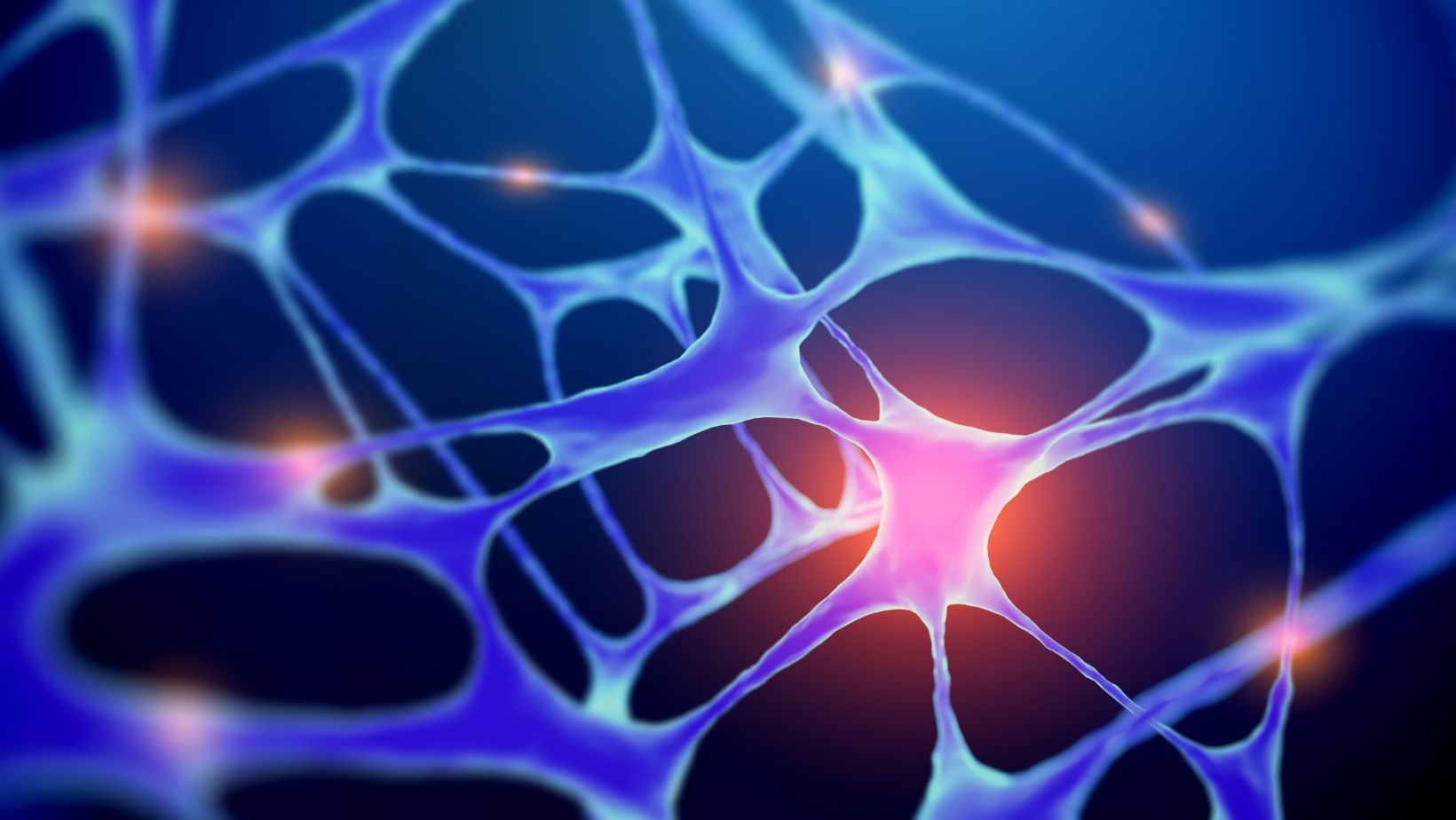
In the peripheral nervous system, Schwann cells can guide some regeneration by forming structures that help axons regrow, but this process is slow and incomplete if the damage is severe or long-standing.
How Regenerative Medicine Responds
Traditional approaches to neuropathy and nerve degeneration have focused on symptom relief. These can help manage discomfort and maintain function, but they often don’t address the underlying damage.
Regenerative medicine offers a different paradigm by targeting the root causes of nerve degeneration and aiming to stimulate natural repair mechanisms:
- Stem Cell Therapy: Stem cells, especially mesenchymal stem cells (MSCs), can differentiate into nerve-supporting cells, secrete growth factors, and create a more favorable environment for nerve repair. Research shows they may enhance axonal regeneration and improve nerve function in neuropathy models.
- Platelet-Rich Plasma (PRP): PRP delivers concentrated growth factors directly to injured areas, reducing inflammation and encouraging cellular repair processes essential for nerve healing.
- Exosome Therapy and Growth Factors: Exosomes carry signals that promote neuronal survival, reduce inflammation, and encourage regeneration. Similarly, engineered growth factors can support axon growth and remyelination.
- Emerging Technologies: Gene therapy, electrical stimulation, and advanced bio-scaffolds are being explored to further enhance nerve regeneration by guiding nerve growth and improving the cellular environment.
A Shift From Symptom Management to Healing
The traditional model of treating nerve degeneration has largely been about managing symptoms. Regenerative medicine aims to go beyond this, focusing on restoring nerve health and reversing damage where possible.
By integrating principles of precision medicine, treatments can be tailored to an individual’s genetic profile, molecular markers, and lifestyle factors, further improving the effectiveness of regenerative therapies.
By addressing inflammation, improving blood flow, and providing cells and signals that help nerves rebuild, regenerative approaches seek not just relief but meaningful functional improvement for people with neuropathy symptoms.