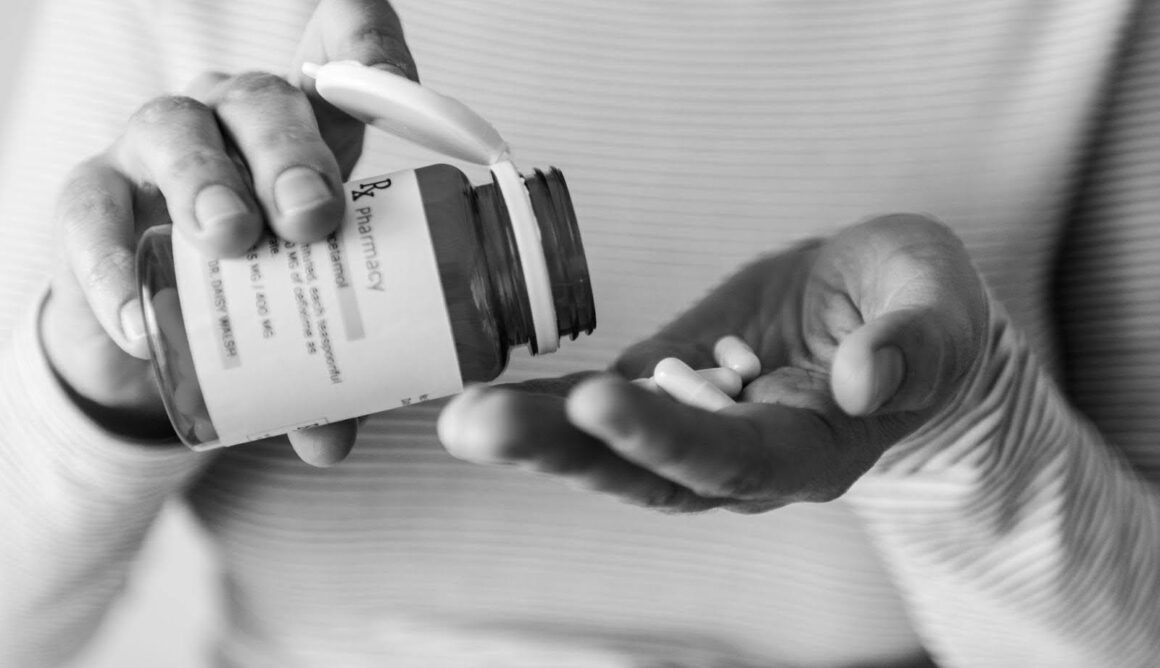
People tend to draw a hard line between “drugs” and “not drugs.” Coffee? Not a drug. A glass of wine? Totally normal. Melatonin every night? It’s natural, so no big deal. But the truth is, a lot of legal substances affect your brain chemistry in ways that are more significant than most people give them credit for. Melatonin works differently from sedating drugs and doesn’t typically cause dependence, but it still affects the brain’s sleep-wake cycle. And it’s far from the only legal substance people underestimate.
That doesn’t mean you need to panic about your morning latte. It does mean it’s worth understanding what these substances actually do and where the line between casual use and something more concerning starts to blur.
Caffeine Is a Drug. A Really Popular One.
About 90% of adults consume caffeine daily, making it the most widely used psychoactive substance on the planet. It works by blocking adenosine receptors in the brain, which is why it keeps you alert. But it also affects dopamine signaling, which is part of why that first cup of coffee feels so good and why skipping it feels so bad.
Mayo Clinic notes that up to 400 milligrams a day seems safe for most adults, roughly four cups of brewed coffee. Go past that and you’re looking at insomnia, nervousness, a fast heartbeat, and stomach issues. And the withdrawal headaches are real. Anyone who’s tried to quit cold turkey knows the first two days aren’t fun.
The thing about caffeine is that people rarely think of it as a substance they’re dependent on. But if stopping caffeine causes withdrawal symptoms like headaches or fatigue, that may indicate physical dependence. It’s mild compared to other substances, sure. But it’s still worth noticing.
Over-the-Counter Doesn’t Mean Risk-Free
This is where things get less obvious. Sleep aids, antihistamines, cough suppressants, and even certain supplements can all alter how you feel. And because they’re sold without a prescription, people assume the risk is minimal.
It’s not always. The National Institute on Drug Abuse has published guidance specifically about OTC medicine misuse, noting that products containing dextromethorphan (DXM) and loperamide are among the most commonly misused over-the-counter drugs. When taken at doses higher than recommended, these substances can produce effects that range from euphoria to hallucinations, and in severe cases, they can slow breathing to dangerous levels.
Sleep aids containing diphenhydramine are another one people don’t think twice about. A lot of folks take them nightly without realizing they can build tolerance quickly and start relying on them just to fall asleep. That may be a sign your body is starting to rely on it more than intended.
The “Natural” Label Gets Overused
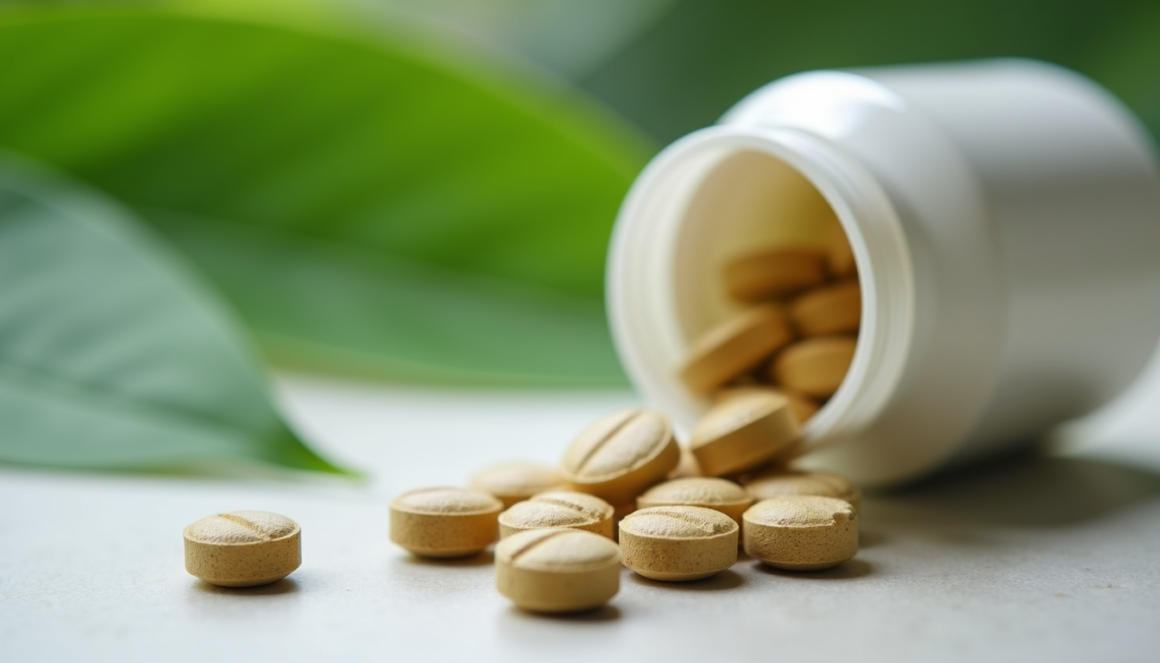
Kratom, kava, CBD, St. John’s Wort, valerian root. These all get marketed as natural alternatives for mood, relaxation, or sleep. And some of them do have real effects backed by research. But “natural” doesn’t automatically mean safe, and it definitely doesn’t mean unregulated.
Having legal highs explained in plain terms is something more people could benefit from, because the gap between “herbal supplement” and “substance that affects your central nervous system” is often a lot smaller than the packaging suggests. Kratom, for instance, acts on opioid receptors. That’s not the same as taking a vitamin. And kava, while used traditionally in Pacific Island cultures for centuries, has been linked to liver concerns when used in concentrated supplement form.
The issue isn’t that these products exist. It’s that people use them without understanding what they’re actually doing to their bodies.
Alcohol Still Gets a Pass It Doesn’t Deserve
This one barely needs explaining, but it’s worth saying anyway. Alcohol is the most socially accepted psychoactive substance in most of the world, and it’s also one of the most dangerous when misused. It’s a central nervous system depressant. It impairs judgment, coordination, and memory. Chronic use damages the liver, the brain, and the cardiovascular system.
And yet, people still treat it like a personality trait. “Wine mom” culture, day-drinking brunch culture, and the whole “I need a drink after this day” thing. None of that is inherently harmful in small doses, but normalizing regular alcohol use as a coping mechanism is where things start to get dicey.
The line between “I enjoy a drink” and “I need a drink” is thinner than most people want to admit.
When Casual Use Stops Being Casual
There’s no universal cutoff that works for every person and every substance. But there are patterns worth paying attention to. Needing more of something to get the same effect is one. Feeling irritable or anxious when you skip it is another. Using a substance specifically to manage a feeling, whether that’s stress, sadness, boredom, or sleeplessness, is a third.
None of those things automatically mean someone has a substance use problem. But they’re signals. And ignoring them because “it’s legal” or “everyone does it” doesn’t make the pattern less real.
The tricky part is that most of these substances do provide genuine short-term relief. Caffeine does wake you up. A glass of wine does take the edge off. Melatonin does help you fall asleep. The question is whether you’re using these things as occasional tools or whether they’ve quietly become the only way you manage basic daily functions.
Better Approaches That Don’t Come in a Bottle
If you’re relying on substances to handle stress, sleep, or mood on a regular basis, it might be worth looking at what’s underneath the pattern. Chronic stress, poor sleep hygiene, untreated anxiety, and burnout. Those are all things that respond well to interventions that don’t involve taking anything.
Cognitive behavioral therapy has strong evidence for both insomnia and anxiety. Regular physical activity has been shown to improve mood and reduce cravings for stimulants and depressants alike. Even basics like consistent sleep schedules, reduced screen time before bed, and getting outside during daylight hours can make a measurable difference.
None of that is as fast or convenient as popping a pill or pouring a drink. But it tends to work better over time, and it doesn’t come with tolerance, withdrawal, or the slow creep toward dependence.
The Point Isn’t to Be Paranoid
Nobody’s saying you should ditch your coffee or never touch a glass of wine again. The point is to be honest about what you’re consuming, why you’re consuming it, and whether the pattern is still serving you.
Legal substances aren’t automatically safe substances. And the fact that something is sold at a grocery store or gas station doesn’t mean it can’t cause real problems if you’re not paying attention. A little awareness goes a long way.