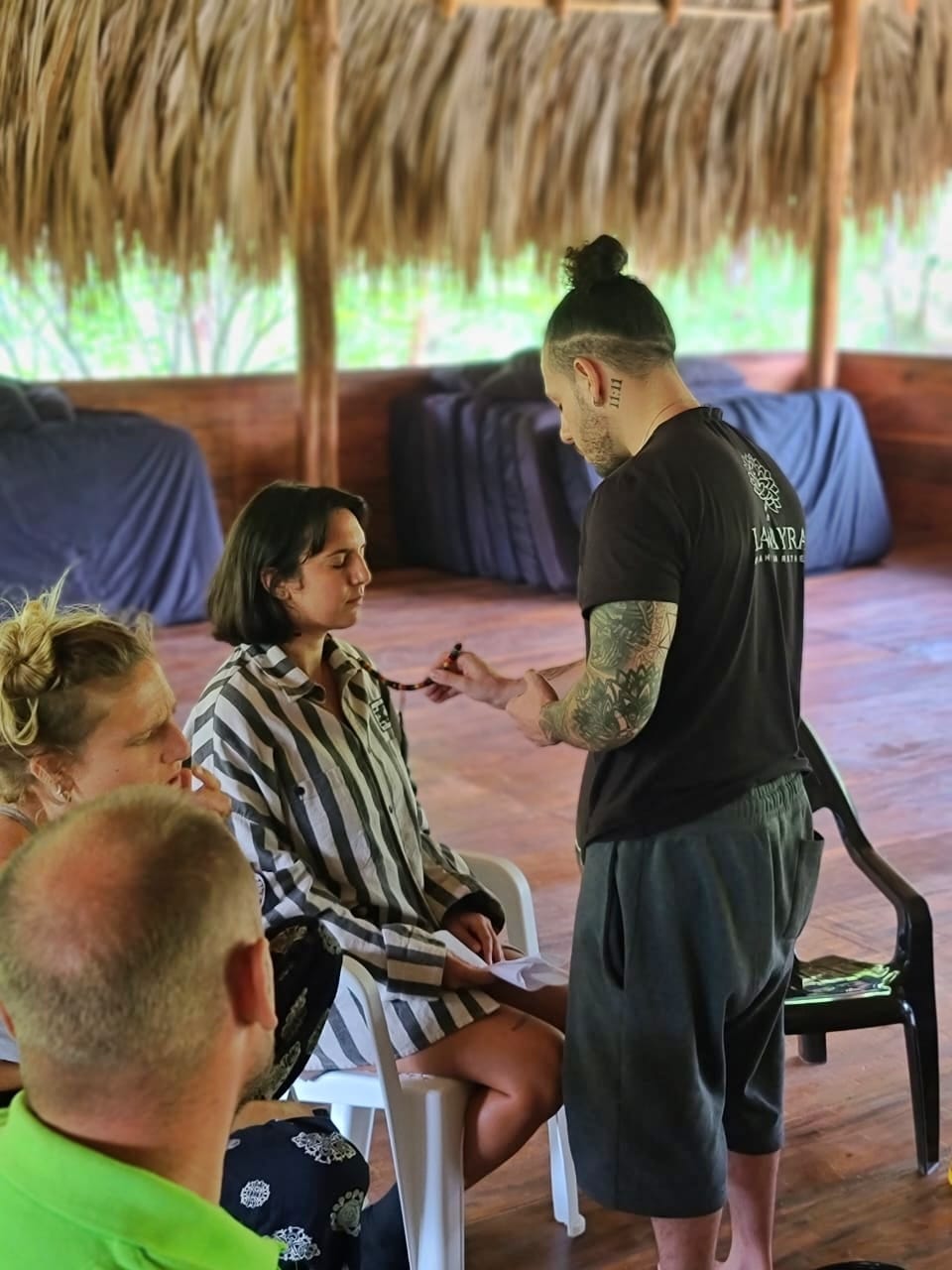
Picture this: you’re sitting under a thatched roof in the Colombian Amazon. A gentle breeze carries the scent of earth and freshly ground powder. Before you lies a small pile of rapeh, a sacred snuff that might just reset your mind.
In this guide, you’ll discover what rapeh is, how indigenous healers have used it for generations, and how you can experience it safely at LaWayra Ayahuasca retreat. Ready to clear the channels and find a fresh perspective?
Rapeh origins and traditions
Rapeh has been a cornerstone of Amazonian healing for thousands of years. Indigenous tribes like the Inga, Huni Kuin, and Nukak rely on this snuff to align mind, body, and spirit. Traditions for rapeh vary across tribes, depending on local plant knowledge.
Here’s the thing—each tribe passes down its own recipe and ceremony style. Some lineages emphasize deep prayers before preparation, while others focus on community chants as the snuff is administered. Despite those differences, the goal stays the same: greater mental clarity and spiritual connection.
Rapeh ingredients and preparation
Common ingredients
- Finely ground tobacco leaves (Nicotiana rustica)
- Medicinal plant ashes for alkalizing the mixture
- Local herbs or seeds like tonka bean or mapacho
Traditional preparation steps
- Cure and dry tobacco leaves in the sun.
- Grind the leaves to a fine powder using a mortar and pestle.
- Sift the powder through a fine mesh to remove larger particles.
- Mix in plant ashes to adjust pH and enhance absorption.
- Infuse the blend with prayers or chants to honor ancestral spirits.
The prayers behind each batch aren’t just for show. They’re believed to charge the snuff with intention and create a bridge between the physical and spiritual realms.
Rapeh administration methods
Ever wondered how a powder becomes a powerful ceremonial tool? There are two main ways to apply rapeh:
Tool Usage Symbolism Kuripe A small, personal blowpipe—you self-administer by blowing into your own nostril Self-awareness and personal healing Tepi A larger blowpipe used by a shaman to deliver the snuff into your nostril Trust, community bonding, and shared energy
How the ceremony unfolds
- You sit or kneel, head tilted back slightly.
- The shaman (or you, with a kuripe) places the tip at your nostril.
- A gentle, rapid puff carries the powder into your nasal passages.
- You hold your breath for a few seconds, then exhale slowly.
It might look intense, but the process is brief and carried out with a lot of care. You’ll often share a moment of eye contact with the shaman, reinforcing trust and connection.
Rapeh benefits and effects
When taken with clear intention, rapeh can feel like hitting a mental reset button. You might notice:
- Immediate mental clarity and focus
- Emotional release or a gentle clearing of anxiety
- Enhanced connection to your body’s sensations
- Relief from headaches, stress, or insomnia
Most effects kick in within a minute and last around 10 to 20 minutes. During that time, you may meditate, journal, or simply sit quietly, noticing any shifts in your mood or thought patterns.
When to skip rapeh
Rapeh isn’t right for everyone. You should avoid it if you:
- Are pregnant or breastfeeding
- Have severe hypertension or cardiovascular issues
- Are taking blood thinners or certain psychiatric medications
- Experience acute respiratory problems
If you’re unsure, always consult a medical professional or the retreat’s intake team before jumping in.
Rapeh at LaWayra retreats
LaWayra Ayahuasca Retreat offers an authentic Inga tradition for both ayahuasca and rapeh ceremonies. Founded by Sam and Estefania in 2021, LaWayra is family-run and guided by an indigenous Taita with a long lineage of medicine men.
What makes LaWayra stand out?
- Small groups of about 20 participants for a personal touch
- Detailed safety intake, covering medications and mental health history
- Three retreats per month, from 4 to 18 days—book up to six months ahead
- Shuttle service from José María Córdova International Airport (MDE)
At LaWayra, rapeh and ayahuasca work in harmony but never mix in the same ceremony. That separation honors each medicine’s unique role, giving you space to integrate the snuff before or after a deeper plant-medicine journey.
Preparing for rapeh ceremony
Getting the most out of a rapeh round starts with preparation. LaWayra shares clear guidelines to help you arrive in the right mindset and body state.
Pre-ceremony guidelines
- Fill out the intake form honestly, including mental health history
- Abstain from alcohol, caffeine, and recreational drugs for at least 24 hours
- Avoid heavy, greasy foods; stick to light, plant-based meals
Dietary recommendations
- No red meat, dairy, or processed sugars
- Keep salt and spices to a minimum
- Drink plenty of water, but avoid sugary drinks
Intention setting
Take time before the ceremony to journal or meditate on your goal. Maybe you want mental clarity, emotional healing, or just to shake off stress. Writing a simple intention helps focus your mind once the snuff hits.
Key takeaways and next steps
- Rapeh is a sacred Amazonian snuff made from tobacco and medicinal plants.
- It’s administered via a kuripe or tepi to clear mental fog and align your spirit.
- You’ll feel effects within minutes, lasting up to 20 minutes.
- LaWayra offers authentic, safety-focused rapeh ceremonies led by an indigenous Taita.
- Proper diet, honesty in intake, and clear intentions make for a smoother experience.
If you’re curious to include rapeh in your healing journey, check upcoming retreat dates at LaWayra. Have you ever tried a ceremonial snuff? Share your questions or experiences in the comments below so we can all learn together.