
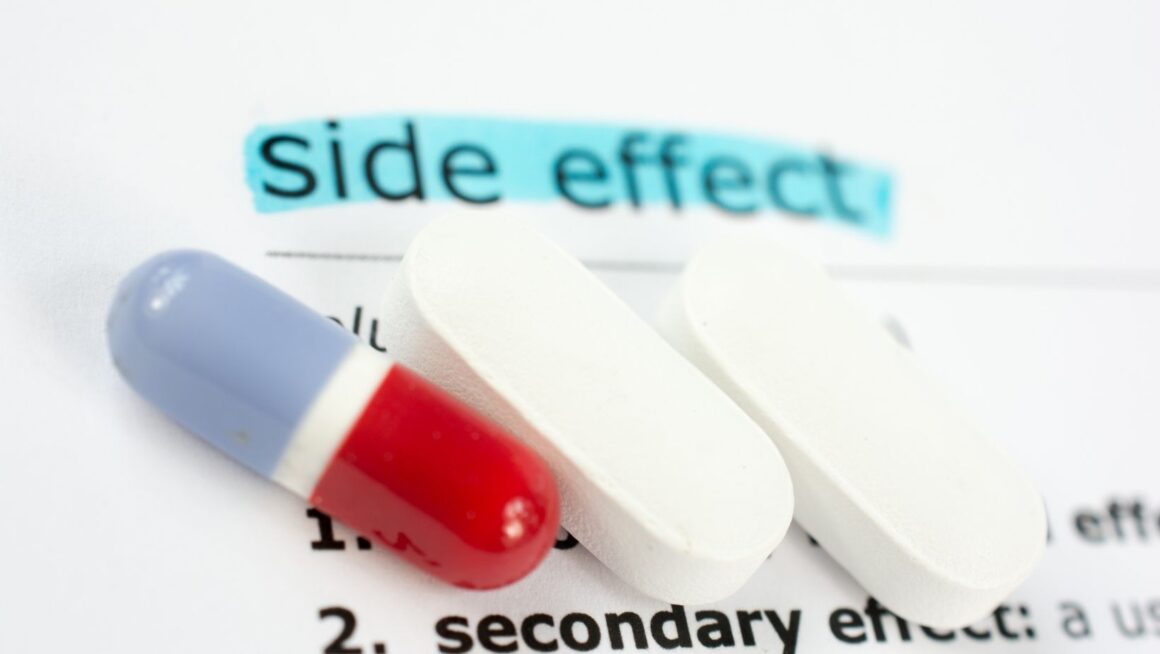
Prescription medications are meant to improve health, relieve symptoms, and enhance quality of life. But sometimes, a medication can trigger severe side effects that go far beyond mild discomfort. When that happens, knowing what to do next can protect both your health and your rights.
Severe side effects may include difficulty breathing, chest pain, severe allergic reactions, organ complications, extreme mood changes, or unexpected hospitalization. While rare, these reactions can be serious and require immediate attention.
If you believe a prescription drug has caused a severe reaction, here are the important steps to take.
1. Seek Immediate Medical Attention
Your health always comes first. If symptoms are serious or life-threatening, seek emergency medical care immediately. Even if symptoms seem manageable, contact your doctor as soon as possible. A healthcare professional can assess whether the medication is the likely cause and determine whether it should be discontinued or adjusted. For patients requiring specialized care, locating a specialty infusion center near me may also be part of ensuring timely and appropriate treatment.
Do not stop taking a prescription medication abruptly unless instructed by a medical professional, as sudden withdrawal can sometimes cause additional complications.
2. Document Your Symptoms
Careful documentation can make a significant difference. Write down:
- The name and dosage of the medication
- When you started taking it
- When symptoms began
- The severity and progression of symptoms
- Any medical visits or hospitalizations
Keep copies of prescriptions, pharmacy receipts, and medical records. This information helps your doctor evaluate the reaction and may also be important if further steps are necessary.
“When patients experience serious side effects, detailed documentation can be critical — not just for medical evaluation, but for understanding whether proper warnings were provided,” says Sarah N. Westcot, Managing Partner at Bursor & Fisher, P.A. “Clear records help determine whether the risks were fully disclosed and whether accountability may be appropriate.”
Good documentation protects you medically and legally.
3. Report the Side Effect
In many countries, serious side effects can be reported to regulatory authorities such as the FDA’s MedWatch program in the United States. Reporting adverse events helps regulators monitor drug safety and identify emerging patterns.
Healthcare providers often submit these reports, but patients can also report directly. These reports contribute to ongoing safety evaluations and may lead to updated warning labels or further investigation.
4. Talk to Your Doctor About Alternatives
If a medication has caused a severe reaction, your physician may recommend:
- A different dosage
- An alternative medication
- Additional testing
- Monitoring for long-term effects
Never assume all medications within a category will cause the same reaction. Your healthcare provider can guide you toward safer options tailored to your medical history.
5. Understand Your Rights
In some situations, severe side effects may raise questions about whether risks were properly tested, disclosed, or communicated. Not all adverse reactions result from negligence — many medications carry known risks. However, if new dangers emerge that were not adequately shared with patients or healthcare providers, legal options may exist.
“Health decisions depend on transparency and trust,” notes Gerrid Smith, Founder & CEO of Fortress Growth. “When individuals feel that important safety information was unclear or incomplete, seeking clarity becomes not just a medical step, but an important personal one.”
If you believe a medication caused unexpected harm, consulting a legal professional can help you understand whether your situation may qualify for further action.
6. Stay Informed About Drug Safety Updates
Drug safety information can evolve over time. Regulatory agencies may issue safety communications, add warning labels, restrict usage, or in rare cases, recall a medication entirely.
Staying informed allows you to make proactive decisions about your health. If a medication you are taking becomes subject to a safety alert, contact your healthcare provider immediately to discuss next steps.
7. Take Care of Your Emotional Well-Being
Severe side effects can be frightening and stressful. Hospital visits, uncertainty about long-term health, and concerns about medical bills can take a toll emotionally.
Seek support from family, friends, or professional counselors if needed. Recovery isn’t only physical — emotional well-being matters too.
Final Thoughts
Most prescription medications are safe and effective when used appropriately. However, severe side effects can and do occur. Acting quickly, documenting thoroughly, and staying informed are the best ways to protect yourself.
Your health comes first — but understanding your rights ensures you’re protected on every level.
If you ever experience severe symptoms after starting a medication, don’t ignore them. Prompt medical care and informed decision-making can make all the difference.