
Defining Maximal Oxygen Uptake
VO2 max is a key measurement for athletes. It tells you the maximum amount of oxygen your body can use when you’re really pushing yourself during exercise. Think of it as your body’s engine size for aerobic activity. A higher VO2 max means your body is better at taking in oxygen and using it to create energy. This is super important for any sport that requires sustained effort, like running, cycling, or swimming. Knowing your VO2 max gives you a clear picture of your current aerobic fitness level.
This number isn’t just a random stat; it’s a direct indicator of how well your heart, lungs, and muscles are working together. When you exercise, your lungs pull in oxygen, your blood carries it to your muscles, and your muscles use it to produce the energy needed for movement. The more oxygen you can effectively use, the longer and harder you can perform. This is why VO2 max is often called the gold standard for aerobic capacity.
It’s measured in milliliters of oxygen per kilogram of body weight per minute (ml/kg/min). This unit helps standardize the measurement across different body sizes. So, when you hear about someone’s VO2 max, you’re hearing about their body’s peak oxygen-utilization power during intense physical activity.
The Aerobic Ceiling Explained
Your aerobic ceiling is essentially your VO2 max. It represents the upper limit of your body’s ability to use oxygen during aerobic exercise. Once you hit this ceiling, your body starts relying more on anaerobic pathways for energy, which isn’t sustainable for long periods. Pushing past this limit too often can lead to fatigue and reduced performance.
Understanding your aerobic ceiling helps you train more effectively. It tells you the maximum potential your cardiovascular system has for delivering oxygen to your working muscles. Athletes aim to increase their VO2 max to raise this ceiling, allowing them to sustain higher intensities for longer durations. It’s like upgrading your engine to go faster and further.
This concept is vital because it defines the boundary of your aerobic performance. While you can improve your efficiency and your ability to work closer to your ceiling, your actual VO2 max sets the ultimate limit. Pushing your training to improve your VO2 max means you’re working to expand this capacity.
VO2 Max As A Longevity Predictor
Beyond athletic performance, your VO2 max is a surprisingly strong indicator of your overall health and how long you might live. Studies have shown a clear link between higher VO2 max levels and a reduced risk of chronic diseases like heart disease, type 2 diabetes, and certain cancers. It’s a measure of your body’s resilience.
Essentially, a higher VO2 max suggests a more efficient and robust cardiovascular system. This system is responsible for delivering oxygen and nutrients throughout your body, and its effectiveness impacts everything from daily energy levels to long-term disease prevention. A strong aerobic system contributes significantly to a longer, healthier life.
Think of it this way: if your body can handle oxygen demand better during intense exercise, it’s likely better equipped to handle the stresses of daily life and resist the onset of age-related health issues. Improving your VO2 max isn’t just about getting faster; it’s about investing in your long-term well-being.
The Science Behind VO2 Max Testing
Measuring Oxygen Consumption During Exercise
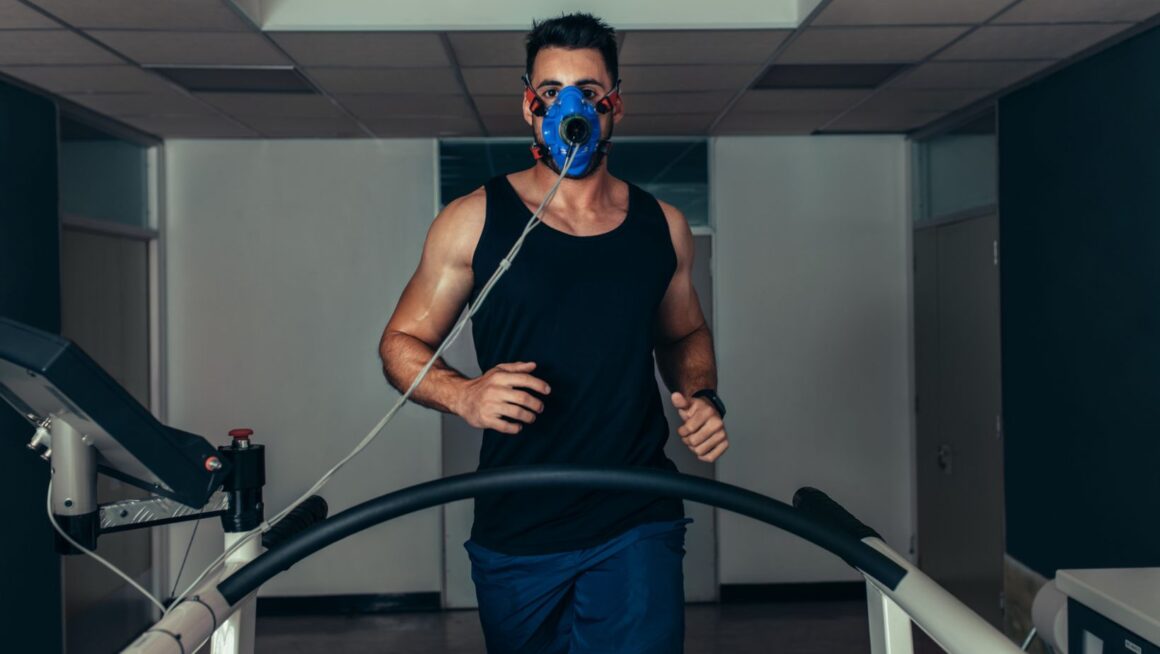
VO2 max testing is all about figuring out how much oxygen your body can actually use when you’re pushing yourself hard. Think of it as a direct measure of your aerobic engine’s capacity. During a test, athletes perform increasingly difficult exercises, usually on a treadmill or bike, while wearing a mask. This mask is hooked up to a machine that precisely measures the oxygen you inhale and the carbon dioxide you exhale. This breath-by-breath analysis provides a clear picture of your body’s maximum oxygen uptake, known as VO2 max. It’s not just about how fast you can run or cycle; it’s about how efficiently your body can supply and utilize oxygen to fuel that effort.
This data is incredibly useful because it gives coaches a concrete number to work with. Instead of guessing, they know exactly where an athlete stands in terms of aerobic fitness. This objective measurement is the first step in tailoring a training plan that’s truly effective. The accuracy of the equipment used is key here; reliable systems provide clean data that coaches can trust for making important training decisions.
Identifying Anaerobic Thresholds
Beyond just the maximum oxygen your body can use, VO2 max testing also helps pinpoint your anaerobic threshold. This is the point during exercise where your body starts producing energy faster than it can deliver oxygen. It’s that moment when you feel the burn and fatigue really starts to set in, and you can’t quite catch your breath as easily. Knowing this threshold is super important for training.
When you understand an athlete’s anaerobic threshold, you can design workouts that push them right to their limit without going too far into the red zone where they’ll just get exhausted. This means training can be more intense and effective, leading to better performance gains. It helps prevent overtraining and burnout by keeping the athlete in a productive, yet safe, physiological zone.
Assessing Metabolic Flexibility
Metabolic flexibility refers to your body’s ability to switch between different fuel sources—primarily carbohydrates and fats—for energy. VO2 max testing can give insights into this. By analyzing gas exchange at different exercise intensities, coaches can get a sense of how efficiently an athlete is burning fat versus carbohydrates.
This information is valuable for optimizing nutrition and training strategies. For example, an athlete who is better at utilizing fat for fuel might be able to sustain longer efforts with less reliance on quick-burning carbs. This can be a game-changer for endurance events. Understanding metabolic flexibility helps create a more well-rounded athlete, capable of performing at their best for longer periods.
The data from VO2 max testing isn’t just a single number; it’s a window into an athlete’s physiological capabilities, guiding everything from workout intensity to recovery needs.
Optimizing Training With VO2 Max Data
Precision Training Design
VO2 max testing provides a clear picture of an athlete’s aerobic capacity. This data moves training beyond general guidelines. Coaches can now create highly specific workout plans. This precision ensures every training session contributes directly to the athlete’s goals. Understanding an individual’s VO2 max means tailoring intensity and duration for maximum impact.
Target Heart Rate Zones
Knowing an athlete’s VO2 max allows for the accurate determination of heart rate zones. This is especially important for Zone 2 training, which builds endurance and supports recovery. Without precise data, athletes might train too hard or not hard enough in their base building. Accurate heart rate zones derived from VO2 max testing prevent wasted effort and optimize aerobic development. This data helps athletes push their limits safely.
Balancing High-Intensity and Recovery Workouts
VO2 max testing reveals an athlete’s anaerobic threshold. This point indicates when fatigue starts to accumulate rapidly. Training can then be designed to push close to this threshold without causing excessive burnout. Properly balancing high-intensity work with adequate recovery is key to sustained performance. This approach prevents overtraining and keeps athletes performing at their best throughout a season. The insights from VO2 max testing are invaluable for this balance.
Leveraging VO2 Max For Injury Prevention
Smart Loading For Reduced Burnout
Athletes push their bodies hard, and without careful management, burnout is a real risk. VO2 max testing helps create training plans that respect an athlete’s limits. By understanding an individual’s aerobic capacity, coaches can set appropriate intensity levels for workouts. This means athletes work hard enough to improve, but not so hard that they break down. Smart loading prevents overuse injuries and keeps athletes in the game longer.
This approach is especially important during busy competition schedules. When recovery time is short, knowing exactly how much stress an athlete can handle without causing harm is key. VO2 max data provides this clarity, allowing for training that builds fitness without excessive fatigue. It’s about training smarter, not just harder, to protect the athlete’s physical well-being.
Protecting Athletes During Competition
During intense competition, athletes often push beyond their perceived limits. VO2 max testing helps define those true physiological limits. This information allows coaches to guide athletes on when to push and when to conserve energy, even in the heat of the moment. It’s a proactive measure to prevent injuries that can occur from sudden, extreme exertion.
Understanding an athlete’s VO2 max also informs pacing strategies. An athlete who knows their aerobic ceiling can better manage their effort throughout a long event. This prevents them from going out too hard and burning out, which is a common cause of injury and poor performance. It’s about making informed decisions based on solid physiological data.
Training Within Safe Physiological Limits
Every athlete has a unique physiological profile, and VO2 max testing is a direct window into that. It reveals the maximum amount of oxygen their body can use, which is a direct indicator of their aerobic fitness. Training plans built around this data ensure that athletes are consistently working within safe and productive zones.
This data helps avoid the common pitfall of generic training programs. Instead of a one-size-fits-all approach, VO2 max testing allows for personalized training. Athletes can focus on improving their specific weaknesses without overstressing their cardiovascular system. This targeted approach is vital for long-term health and sustained athletic performance, reducing the risk of injury significantly.
Tracking Progress And Breaking Plateaus

Monitoring Long-Term Adaptations
Athletes often hit a wall where their training seems to yield no further improvements. This is where understanding long-term adaptations becomes key. Regular VO2 max testing provides a clear, objective measure of how the cardiovascular system is responding to training over time. It’s not just about a single number; it’s about the trend. Seeing consistent gains in VO2 max indicates that the training program is effectively building aerobic capacity and improving the body’s ability to use oxygen.
This data allows coaches and athletes to see if the current training load is appropriate for continued development. Without this objective feedback, athletes might continue with a program that is no longer challenging enough, leading to stagnation. Tracking these adaptations ensures that training remains effective and aligned with performance goals.
Identifying Stalled Progress
When VO2 max numbers stop climbing, it’s a clear signal that something needs to change. This plateau can happen for various reasons, including insufficient training intensity, inadequate recovery, or even underlying physiological issues. Identifying stalled progress early is vital to prevent frustration and wasted effort. A consistent testing schedule, perhaps every 8-12 weeks, allows for timely detection of these plateaus.
Instead of relying on subjective feelings of fatigue or perceived effort, objective data from VO2 max tests provides concrete evidence of a lack of adaptation. This allows for a data-driven adjustment to the training plan, rather than continuing with an ineffective approach. It’s about knowing when to push harder, when to change the stimulus, or when to focus more on recovery.
Responding To Training Plateaus
Once a plateau is identified, the next step is to adjust the training strategy. This might involve increasing the intensity of interval sessions, changing the duration or frequency of workouts, or incorporating different types of training to provide a novel stimulus. For example, if Zone 2 training has been the focus, introducing more high-intensity interval training (HIIT) could be beneficial. Conversely, if the athlete has been doing a lot of intense work, more Zone 2 training might be needed to build a stronger aerobic base and improve recovery capacity.
The key is to respond to the data, not to guess. A plateau in VO2 max is an opportunity to refine the training plan and ensure continued progress towards peak performance. This iterative process of testing, analyzing, and adjusting is what separates good training from great training.
Here’s a look at how progress might be tracked:
- Initial Test: Establishes a baseline VO2 max and anaerobic threshold.
- Mid-Program Test: Assesses adaptation to the current training block.
- Pre-Competition Test: Confirms readiness and identifies any lingering weaknesses.
- Post-Season Test: Evaluates the overall effectiveness of the training year.
The Competitive Edge With GymTherapy

Data-Driven Athlete Development
GymTherapy moves beyond generic training plans. As a professional physiotherapy and performance testing clinic in Brisbane, GymTherapy specializes in VO2 max, lactate threshold, and force plate testing to give runners, CrossFit athletes, and endurance competitors the numbers that actually guide smarter training. It uses precise VO2 max data to build programs tailored to each athlete’s unique physiology. This means coaches can make informed decisions about an athlete’s progression, focusing on what truly moves the needle for their performance. This scientific approach ensures athletes are pushed effectively, not just pushed hard. Understanding an athlete’s VO2 max is key to this data-driven development.
Gaining An Advantage Over Competitors
In today’s competitive landscape, every second counts. GymTherapy’s VO2 max testing provides a distinct advantage by revealing an athlete’s true physiological limits and potential. This allows for the fine-tuning of training intensity and recovery, directly impacting race pace and endurance. Athletes using GymTherapy can train smarter, leading to better pacing and faster times.
Achieving Championship-Level Results
Championships aren’t won by chance; they’re built on a foundation of intelligent training. GymTherapy’s focus on VO2 max data helps athletes break through performance plateaus and reach their peak potential. By precisely designing training loads and recovery periods based on individual metabolic responses, athletes can consistently perform at their best when it matters most. This commitment to data-informed training is what separates good athletes from champions.
The Bottom Line on VO2 Max Testing
So, it’s pretty clear that VO2 max testing isn’t just some fancy gadget for pro athletes. It’s a really practical tool that gives coaches solid data to figure out exactly how to train their athletes. Instead of just guessing or going by feel, they can pinpoint specific training zones, track progress, and even help prevent injuries. For anyone serious about getting the most out of their training, whether they’re aiming for a championship or just want to get fitter, understanding VO2 max is a smart move. It’s about training smarter, not just harder, and that makes all the difference in the long run.