
When patients arrive for an appointment at the local clinic, they expect a certain level of professional attentiveness and efficiency. Perhaps you’ve recently experienced surprisingly long wait times or felt that your conversation with a nurse or physician was cut far too short; it’s alright to be concerned.
However, these encounters are often not the reflection of your local team’s dedication to your health, but rather direct indications of a far more complex and pervasive industry challenge: the nationwide healthcare staffing shortage.
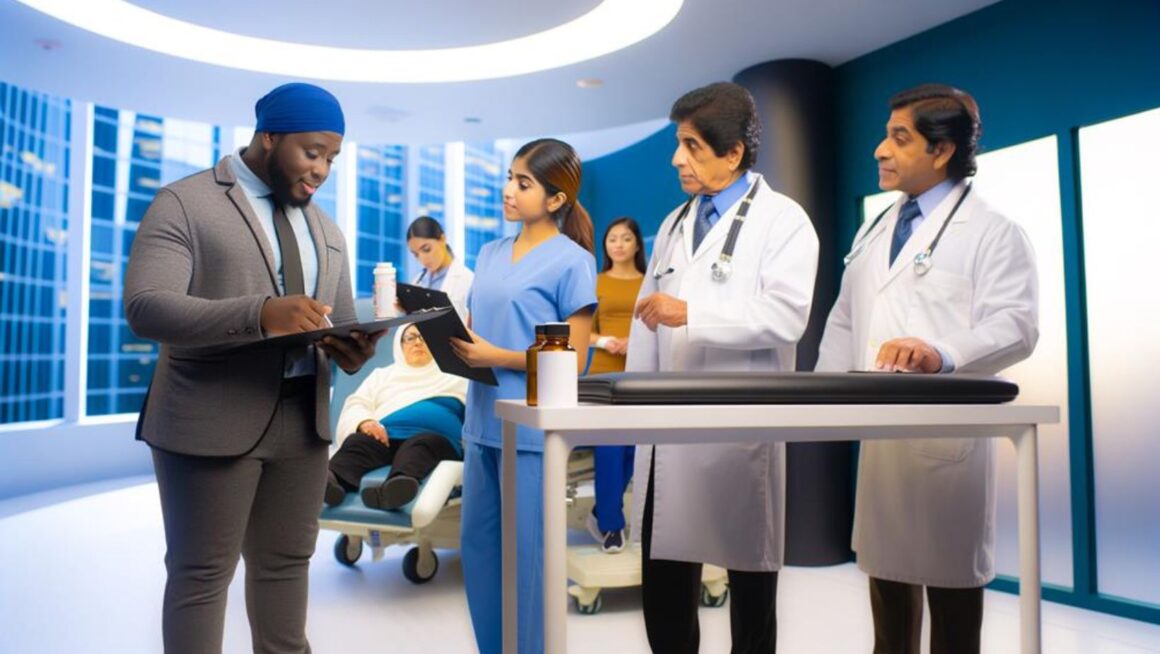
This staffing shortage extends far beyond hospital walls, reaching into every corner of the healthcare ecosystem. The constant pressure caused by nurse staffing shortages means that available clinical staff must stretch their precious time and resources across more patients. This results in strain that affects the entire workflow, making it harder to maintain optimal nurse-to-patient ratios and ensuring consistent staffing levels for smooth, focused appointments.
What is the Healthcare Staffing Shortage?
Healthcare staffing shortages refer to the growing national deficit of skilled clinical and support personnel required to meet the country’s rising demand for patient care. It is not simply a recruitment challenge; rather, it’s an intricate supply and demand crisis that has been in development for decades, with the shortage of nurses being the most acute.
A Broader Historical Context
The healthcare worker shortage is not new; the United States has confronted nursing shortages since the early 20th century. It was then that the public health nurse became greatly needed, and the first industrial nurses in the U.S. were employed.
As the United States entered the First World War, nurses were encouraged to join the armed forces, and the country’s first nursing shortage of trained nurses truly became a reality. The need for nurses had become a national priority by the time the 1918 influenza epidemic struck. The nation is still facing a healthcare staffing shortage over a century later, as there are several significant and converging trends:
- An aging population and workforce: The general population of the U.S. is aging, resulting in a surge in demand for often complex, chronic care. Simultaneously, large shares of experienced healthcare workers (including nurses and physicians) are nearing retirement, leading to a significant outflow of talent and experience.
- Burnout and turnover: High-stress environments and demanding workloads are further intensified by recent public health crises, which have only led to increased rates of burnout. Many younger professionals are departing the profession earlier than expected, further depleting the supply.
- Educational barriers: Nursing schools frequently turn away thousands of qualified applicants annually due to a lack of nursing faculty, clinical training sites, and classroom space, which unfortunately restricts the pipeline of future care providers.
How Staffing Shortages Affect Patients Across Facility Types
While the largest hospitals often draw most of the attention, the healthcare staffing shortage impacts virtually every type of facility, affecting access and the quality of care nationwide:
- Hospitals face the most pressure to maintain steady and effective patient care due to the numerous high-acuity demands placed upon them each day. Staffing shortages often result in a reduction in available beds, prolonged emergency room wait times, and a high reliance on contract labor.
- Primary care clinic shortages result in fewer available appointments, longer lead times to see a provider, and increased administrative burdens on existing staff. These shortages are a primary factor in patients feeling their visits are rushed.
- Long-term care and rural facilities tackle disproportionately severe shortages, often struggling to compete with the salaries offered in large urban hospitals, which can force them to limit services or, in extreme cases, close altogether.
The increasing severity of this healthcare staffing shortage explains why achieving safe staffing in healthcare has become a national priority, often encouraging innovative and immediate solutions.
Solutions to Healthcare Staffing Shortages in Use Today
Addressing the healthcare staffing shortage requires more than what traditional recruiters can offer. Current challenges demand innovation and commitment to new operational strategies. Today, forward-thinking clinics are implementing multi-pronged approaches that focus on retention, efficiency, and flexibility to achieve and maintain safe staffing in healthcare.
Hiring Full-time and Part-time Staff When Possible
A clinic’s foundation is dependent on its core team. Local facilities continue to prioritize attracting and retaining permanent staff by offering competitive compensation and enhancing benefits, thereby improving the work environment and reducing the likelihood of burnout. Investing in the long-term well-being and professional development of full-time nurses and clinicians is the most effective strategy to combat high turnover and ensure the continuity of proper care.
Cross-training Clinic Teams Supports High-demand Tasks
Efficient tactics for building resilience include cross-training, which involves equipping existing staff, both clinical and administrative, with a comprehensive set of skills that extends beyond their primary roles. For example, a medical assistant may be trained to handle specific patient triage procedures, whereas a nurse could take on some patient education duties.
Teams that are cross-trained can seamlessly cover unexpected gaps, allowing staff to float to high-need areas during peak times and directly improving nurse-to-patient ratios without relying solely on new hires.
Reduce Low-value Administrative Work with Technology
Modern challenges regarding healthcare staffing shortages are being met with technological solutions.
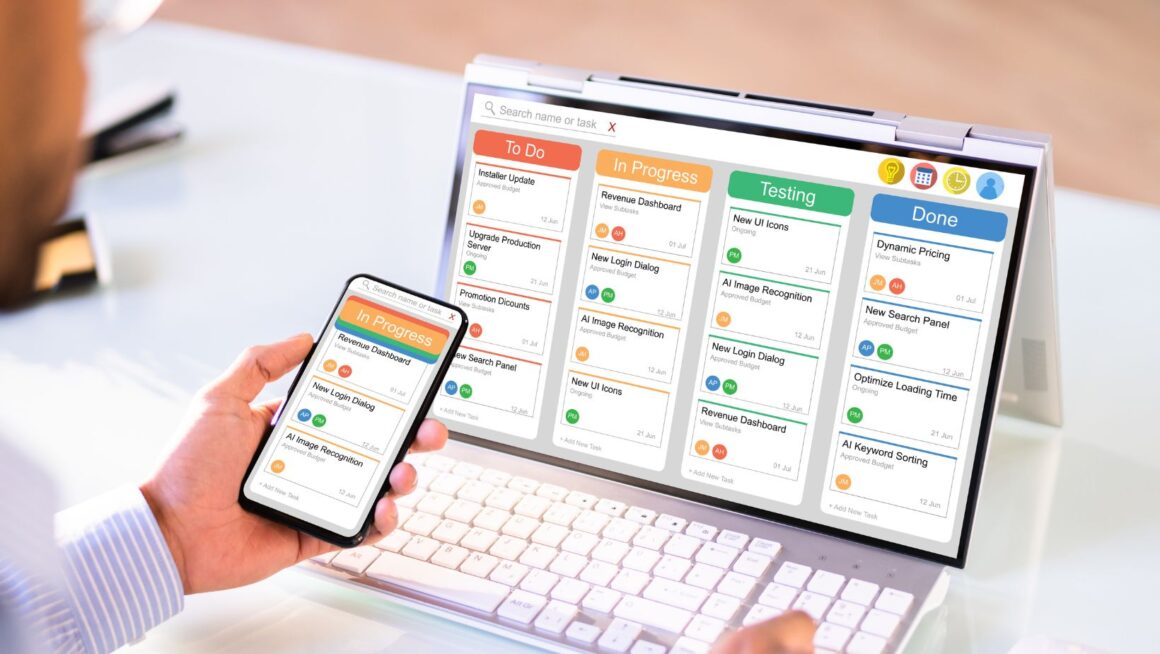
Facilities are increasingly deploying new tools, such as AI-powered scheduling, automated patient communication systems, and enhanced electronic health record (EHR) systems. Automating routine administrative tasks, such as appointment reminders, initial data intake, and billing, greatly reduces non-patient-facing workloads on nurses and providers.
Utilizing Staffing Solutions
To sustainably manage unpredictable demand and staff absences, clinics are partnering with advanced staffing technologies.
Per diem staffing platforms enable facilities to fill short-term shifts quickly and efficiently. Such on-demand access to a wide selection of credentialed local nurses and other clinicians is essential for mitigating the adverse effects of the nurse staffing shortage.
By using one of the top nurse staffing platforms like Nursa, clinics can ensure they have the exact coverage they need, exactly when they need it, safeguarding patient care quality and stability.
Tips for Your Next Primary Care Visit
Now that you grasp the industry-wide challenges presented by the nation’s healthcare staffing shortage, you must be prepared to communicate clearly.
Patients are vital partners in ensuring the optimal primary care experience. Assisting your local clinic teams in managing their time competently and helping maintain the best possible flow of care is always appreciated.
Here are a few tips for making the most of your next visit:
- Prioritize concerns beforehand: In preparing for your upcoming appointment, create a simple list of your most important concerns or symptoms. Seek to share this information at the very start of your visit, as this allows your nurse to allocate time efficiently and focus immediately on what matters most to you.
- Communicate concisely: Present all the specifics about when your symptoms started and how they have begun to affect your daily life. Communication is key, especially when staff are working diligently to maintain safe staffing levels while attempting to avoid stress and burnout.

Not every need requires an in-person primary care appointment. Acknowledging when best to use other care modalities can free up crucial appointment slots for those who need them most:
- Urgent care: Best suited for acute but non-life-threatening issues (e.g., minor sprains, severe sore throats, minor cuts)
- Telehealth/virtual visits: Ideal for follow-ups, medication checks, or discussing non-physical symptoms
- Patient portal/messaging: Online messaging for simple questions, prescription refills, or sharing quick updates
Believe it or not, your patience and cooperation are invaluable to every dedicated professional working hard to provide the best care possible, despite the ongoing challenges of solving the healthcare staffing shortages. By planning your visit, you directly support your local medical providers in their mission to deliver the highest quality care possible to your entire community.