
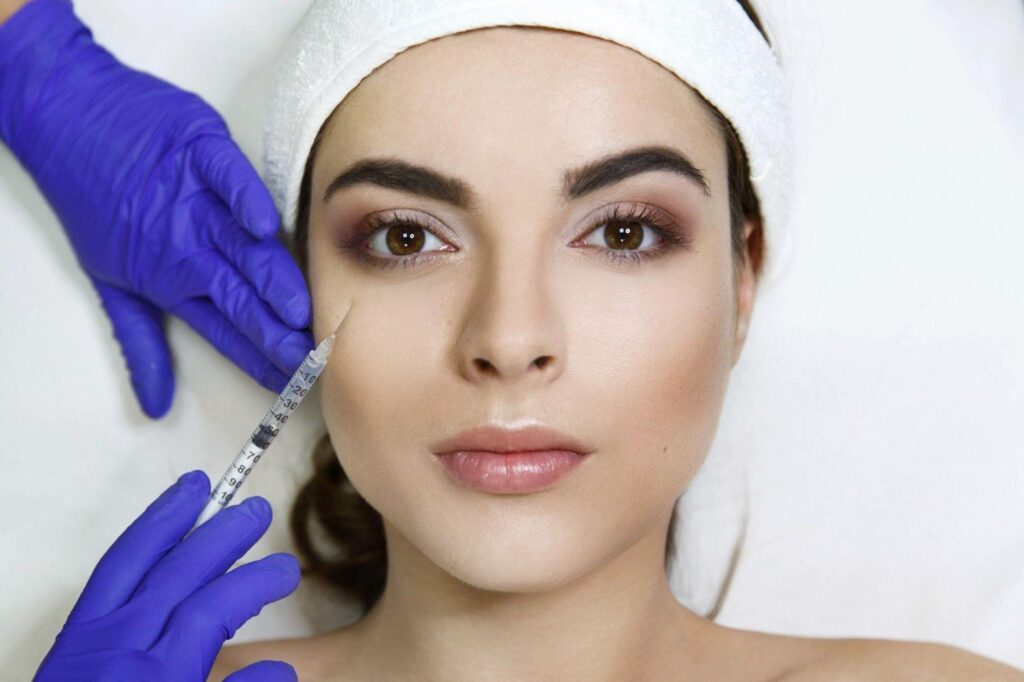
The medical aesthetics landscape across Texas has evolved considerably over the past decade. From Dallas to Houston to Austin, med spas have multiplied, and with them, the range of neuromodulator options available to patients has expanded. Among the most significant developments in this space is the growing preference for Xeomin among Texas practitioners. This shift warrants examination, not merely as a market trend, but as an indicator of how quality standards in aesthetic medicine are being redefined.
Understanding Xeomin: Mechanism and Formulation
Xeomin (incobotulinumtoxinA) is a prescription injectable used to temporarily improve the appearance of moderate to severe glabellar lines, the frown lines between the eyebrows. Like other botulinum toxin type A products, it works by blocking nerve signals that cause muscle contractions, thereby relaxing the underlying musculature and smoothing the overlying skin.
What distinguishes Xeomin from its counterparts is its formulation. During manufacturing, Xeomin undergoes a purification process that isolates the core therapeutic protein, the 150-kDa neurotoxin, while removing accessory proteins present in other formulations. These accessory proteins, often referred to as complexing proteins, have no therapeutic function. Their absence in Xeomin has led to the term “naked neurotoxin” within clinical circles. For patients interested in the technical details, comprehensive information about Xeomin is available through dermatology practices that specialize in aesthetic treatments.
The clinical significance of this purified formulation relates to immunogenicity. When foreign proteins enter the body repeatedly, there is a theoretical risk of antibody formation, which could diminish treatment efficacy over time. By eliminating unnecessary proteins, Xeomin may reduce this immunogenic potential, though individual patient responses vary and should be discussed with a qualified provider.
Clinical Advantages Driving Provider Preference
Texas med spas are not adopting Xeomin arbitrarily. Clinical observation and patient feedback have contributed to its growing utilization. Because Xeomin contains only the active neurotoxin, it must be reconstituted before injection, offering practitioners precise control over dosing and dilution. This flexibility allows for customized treatment approaches tailored to individual muscle anatomy and aesthetic goals.
Additionally, some patients report satisfaction with the diffusion characteristics of Xeomin. While all neuromodulators spread to some degree from the injection site, Xeomin’s properties allow for targeted placement when administered by experienced injectors. This precision is particularly valuable for patients seeking subtle, natural-looking results rather than the frozen appearance that many wish to avoid.
The comparative landscape of available options is complex, and patients benefit from understanding the distinctions. A detailed Botox vs. Dysport vs. Xeomin comparison can illuminate why certain providers select specific products for different clinical scenarios. Such resources empower patients to engage meaningfully in treatment discussions.
Why Texas Providers Are Making the Switch
Texas represents a unique aesthetic market for several reasons. Population growth has brought diverse patient populations with varied treatment expectations. The competitive nature of major metropolitan areas means med spas must differentiate themselves through quality, expertise, and product selection. Furthermore, Texas patients tend to be well-researched and willing to travel for providers who demonstrate clinical excellence.
Within this environment, offering Xeomin signals that a practice stays current with evolving clinical evidence. It suggests a willingness to look beyond brand recognition and evaluate products based on their scientific merits. For many Texas providers, this aligns with a broader philosophy of patient-centered care that prioritizes education and informed consent over convenience or habit.
Supply Chain Integrity and Patient Safety
Discussions about product selection inevitably lead to questions about sourcing. In aesthetic medicine, the safety and efficacy of any injectable treatment depend not only on the injector’s skill but also on the product’s authenticity and handling throughout the supply chain. This is where the concept of a legitimate supplier becomes paramount.
Med spas that consistently deliver excellent outcomes typically maintain relationships with established medical distributors. These distributors verify product authenticity, ensure FDA approval status, and maintain proper storage conditions before products reach the clinic. When a practice partners with a trusted Xeomin supplier, they establish a chain of custody that prioritizes patient safety above all else. The role of a reliable Xeomin supplier extends beyond simple transaction, it encompasses quality assurance, regulatory compliance, and accountability that ultimately benefits the patient.
Cold Chain Management: A Technical Imperative
The term “cold chain” refers to the temperature-controlled supply chain required for pharmaceuticals sensitive to thermal exposure. Xeomin, like all botulinum toxin products, must be stored at controlled refrigerator temperatures, typically between 2°C and 8°C, from the point of manufacture through administration.
This requirement has practical implications for patient care. A product that experiences temperature excursions may lose potency yet appear normal upon visual inspection. Patients have no way of detecting such degradation, which is why the clinic’s handling protocols matter enormously.
Reputable med spas document their cold chain compliance, maintain temperature logs, and train staff on proper storage and handling. They understand that a vial left unrefrigerated for even a few hours may compromise results. When patients choose a facility that sources from verified distributors, they indirectly verify that these temperature-sensitive products have been protected throughout their journey.
What Patients Should Look for in a Quality Med Spa
For patients navigating treatment decisions, several factors warrant consideration when Xeomin is recommended. First, the clinical indication should be clearly explained. Xeomin is FDA-approved for glabellar lines, though many providers use it off-label for other facial areas based on their clinical judgment and experience.
Second, patients should understand that individual responses to neuromodulators vary. Factors including muscle mass, previous treatment history, and individual metabolism influence both the onset and duration of results. A thorough consultation should address these variables and set realistic expectations.
Third, the provider’s rationale for product selection should be transparent. Whether they prefer Xeomin for treatment-naïve patients, those with concerns about immunogenicity, or individuals seeking a particular aesthetic outcome, this reasoning reflects their clinical approach. Understanding what is special about Xeomin injections from a patient perspective can supplement the information provided during consultation.
Patients should also inquire about the practice’s sourcing practices. Asking whether the clinic uses a certified medical distributor is entirely appropriate and demonstrates engagement with one’s own care.
Evaluating Quality Indicators in Clinical Practice
Beyond product selection, several observable indicators correlate with quality care in medical aesthetics. The facility itself should maintain clinical cleanliness standards. Staff should present professional credentials clearly. Consultations should be unhurried and educational rather than pressured and sales-oriented.
Documentation practices matter as well. Quality practices maintain detailed treatment records, including product lot numbers and expiration dates, which allows for traceability should questions arise later. This level of detail protects both patient and provider.
The presence of a medical director, typically a physician who oversees clinical operations, adds another layer of accountability. While regulations vary by state, Texas law establishes parameters for delegating aesthetic services, and compliance with these regulations reflects professional integrity.
Making an Informed Choice for Your Skin
The increasing preference for Xeomin among Texas med spas represents more than a passing trend. It reflects a maturing market where patients and providers alike demand higher standards of care. The purified formulation offers theoretical advantages in immunogenicity, while the flexibility in dosing appeals to practitioners seeking precision.
Yet product characteristics alone do not determine outcomes. The integrity of the supply chain, the rigor of cold chain management, and the expertise of the injector collectively influence results. When a clinic sources from a reputable Xeomin supplier and maintains meticulous handling protocols, they demonstrate a commitment to patient safety that extends well beyond the treatment room.
For patients, understanding these dynamics transforms the aesthetic experience from passive receipt of services to active participation in care. Asking questions, researching options, and evaluating providers based on meaningful criteria leads to better decisions and, ultimately, better outcomes. The growth of Xeomin utilization in Texas offers an opportunity to engage more deeply with what quality care truly means.