
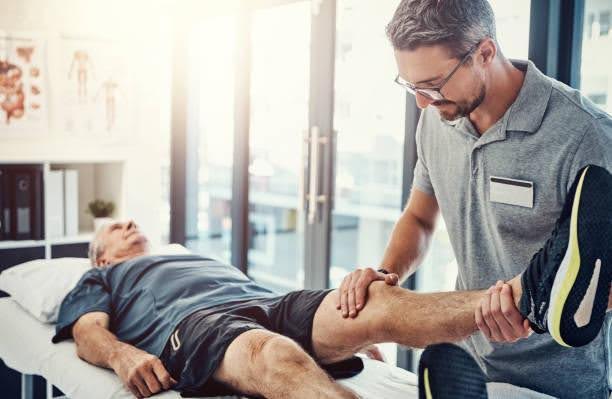
Physiotherapy is among the most recognized fields of rehabilitation that provides many benefits to different patients. One of the best aspects of this area is that physiotherapy can be combined with other approaches, such as kinesiology, to provide comprehensive body recovery. For example, a kinesiologist and athletic therapist can use patients’ physiotherapy benefits to offer active rehabilitation strategies.
After a trauma or injury has been treated, depending on the level of damage, you may undergo physical therapy modalities for active rehabilitation, strength conditioning, and to prevent future injuries. Most of the time, active rehabilitation is the first step.
However, one fact that patients often fail to understand is the importance of the recovery phase. Whether it’s a workout or anything, recovery is as important as the endeavor. Your method of recovery can significantly impact your overall well-being and help prevent future injuries.
Additionally, adequate recovery is more than just feeling less soreness or pain; it’s about helping your body adapt and grow. Neglecting or being inconsistent with your sessions can result in a more severe injury.
In this article, we will explore how physiotherapy, alongside other approaches such as kinesiology, can aid in your active rehabilitation from the initial stage of the injury through to full recovery. However, first, we will examine some of the purposes of physiotherapy.
The Purpose of Physiotherapy

Physiotherapy is widely used to treat various conditions, helping patients regain, maintain, and enhance their mobility, function, and overall well-being. Normally, depending on your condition, Provectus Physiotherapy and Health Services will require you to undergo different sessions, as it’s not possible to undergo physiotherapy all at once. These sessions might be weekly, twice a month, or even three times a week.
The physiotherapist will utilize various modalities, including exercise, manual therapy, education, and more, to provide relief from pain and recurring problems. Now, let’s discuss what happened during your first visits to a physiotherapist.
What Happens in the Stages of Physiotherapy?
During your first visit, the therapist will consult with you to determine your exact condition and establish a personalized treatment plan, including the number of sessions required. Usually, an expert physiotherapist will recommend you start the treatment as early as 48-72 hours after your injury or visit.
After the consultation, they will perform various physical measurements, including strength exercises, range of motion, and reflexes, to gauge your current functional capacity. Some of the common injury classifications and their expected sessions include
Minor musculoskeletal injuries, such as sports injuries, typically require 2-4 physiotherapy sessions to achieve full recovery.
Soft tissue injuries, such as contusions, sprains, and tendonitis, among others, will typically require 6-8 sessions of physiotherapy.
Chronic conditions, including motor vehicle accidents, post-concussions, arthritis, carpal tunnel, and more, may require more extensive sessions; therefore, they can last for two months or even more. With this being said, here is how a physiotherapist, alongside other methods, can help you recover and provide long-term injury prevention.
Click here to learn more about carpal tunnel.
How Physio Benefits Can Help
Once the physiotherapist has established the foundation of movement, mobility, and function, you have the opportunity to work with a rehabilitation specialist to develop a well-rounded recovery program, which typically begins as early as the first or second week after the injury.
This active rehabilitation phase is a crucial part of the recovery process, where the patient plays a significant role in their recovery. Here, the two specialists who will handle both the active and passive techniques are an athletic therapist and a kinesiologist.
Compared to just one specialist performing rehabilitation techniques on you, such as manual therapy, active rehabilitation provides a more comprehensive treatment, including proprioception training, range of motion exercises, strengthening, retraining of muscle patterns, and more.
Click here to learn about the various types of physiotherapy.
After active rehabilitation, the movement specialist will transition you to a strength and conditioning program designed to help you excel in life. Strength is an integral part of recovery because it helps you regain your pre-injury function. You will undergo some exercise that combines flexibility, strength, and resistance.
How an Athletic Therapist Can Help
Athletic therapists are professionals who deal with onsite injury assessments and management, including active rehabilitation exercise physiology, and supportive taping and bracing. An athletic therapist can work together with a physiotherapist to provide both orthopaedic and concussion assessments and rehabilitation.
Here are some of the ways these two can collaboratively help you:
First, an athletic therapist will create a rehab plan that will address your pain, imbalance, and immobility. They will then adapt and modify your active rehabilitation plan to fit in with your abilities and progress. Overall, athletic therapists are skillfully trained in managing and recognizing concussion.
How a Kinesiologist Can Help
Kinesiologists are another professional active rehabilitation specialist who offer different kinds of muscle pain, imbalances, and weakness correction. They tend to focus on strength and conditioning, biomechanics, orthopedic assessment, sport psychology, active exercise and fitness programming.
They can help in many ways, including working with individuals of different abilities in a range of settings to help you achieve your optimal physical function. They will also create a rehabilitation plan that can enhance your range of motion, muscle strength, and aerobic capacity. Lastly, they provide active rehabilitation that helps reduce pain while resetting your movement.
Visit here: https://www.betterhealth.vic.gov.au/health/conditionsandtreatments/arthritis-and-diet to gain more insight into foods that prevent arthritis.
Conclusion
Although getting injured is an unfortunate situation, considering numerous ways to manage the injury and then recover is a significant achievement in the field of medicine. Physiotherapists, kinesiologists, and other professionals can work together to help you regain your mobility and return to your activities as if nothing had happened before. It all comes down to finding the right team that will give their best to help you.