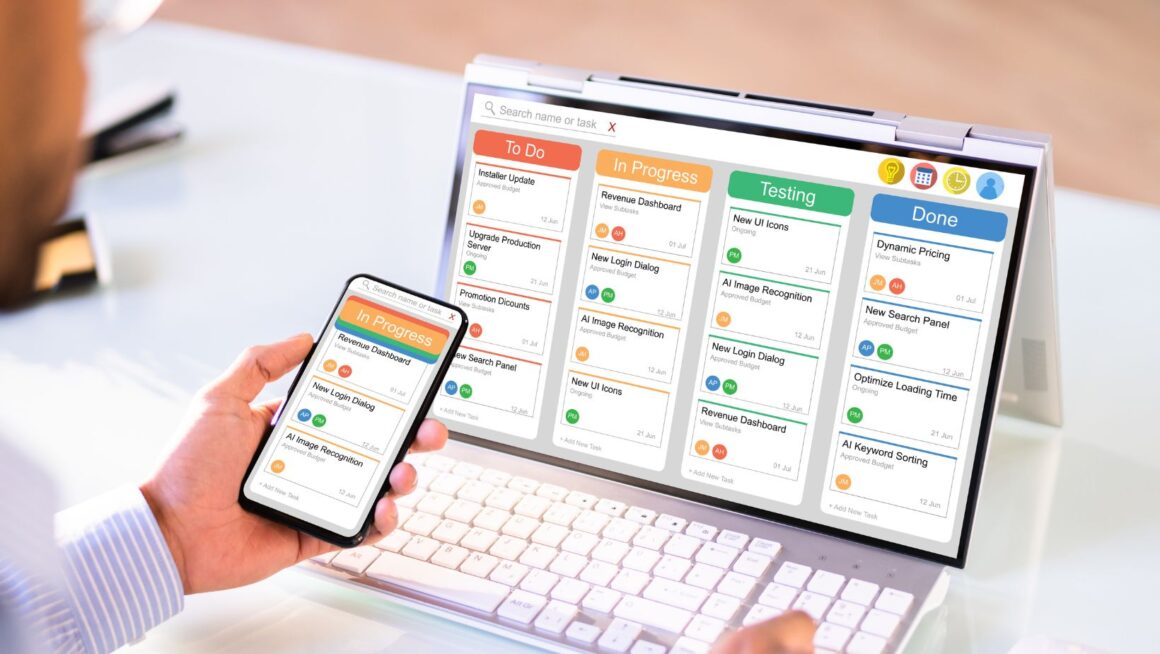
A hospital can tag every infusion pump and monitor it owns, but if that location data just sits inside a separate system nobody checks, the investment barely moves the needle. The real value of RFID shows up only when it connects directly to the software staff already use—the hospital management system, the asset registry, the maintenance scheduling tool. Without that link, tracking becomes another screen to glance at occasionally instead of a tool that actually changes daily operations.
Integration is the part of an RFID rollout that gets the least attention and causes the most frustration when it’s skipped.
Why Standalone Tracking Falls Short
A lot of hospitals install RFID readers, get a working location feed, and call the project finished. The problem is that location data on its own doesn’t update maintenance schedules, doesn’t flag a device as overdue for calibration, and doesn’t sync with the records biomedical engineering already keeps. Staff end up checking two systems instead of one, which defeats the purpose of automating anything in the first place.
This disconnect shows up most clearly during audits, when someone has to manually cross-reference the RFID dashboard against the official asset inventory to make sure the numbers match. That kind of duplicate work is exactly what the technology was supposed to eliminate. A tracking system that doesn’t feed into existing software creates more administrative overhead, not less.
What Real Integration Actually Looks Like
Proper integration means the RFID system and the hospital’s existing platforms—whether that’s an EHR-adjacent asset module or a dedicated computerized maintenance management system—share data automatically in both directions. When a tagged ventilator moves between departments, that update should populate the central asset registry without anyone re-entering anything. When a device is due for service, the maintenance system should already know its current location instead of relying on a guess.
Several pieces typically need to connect for this to work well:
- Asset management software, so equipment counts and locations stay accurate without manual reconciliation
- Maintenance scheduling tools, so service alerts include up-to-date location instead of last known whereabouts
- Compliance and audit systems, so reporting pulls directly from live data rather than spreadsheets
- Procurement platforms, so purchasing decisions reflect actual utilization patterns instead of assumptions
When these systems talk to each other, the hospital gets a single source of truth instead of several partial pictures.
The Role of Automation in Daily Operations
Once integration is in place, automation starts handling tasks that used to eat up staff time. A device crossing into a restricted zone can trigger an automatic alert without anyone monitoring a screen. A piece of equipment overdue for inspection can generate a work order on its own, routed to the right technician based on its current floor. This kind of background automation is where hospitals start to see real labor savings, since fewer people are needed for manual checks and data entry.
Facilities exploring RFID Labels for Healthcare Facilities as part of a broader technology upgrade often find that the labeling and tagging piece is the easy part. The harder, more valuable work is building the data pipeline that connects tags to the software where decisions actually get made. Skipping that step is the most common reason RFID projects underdeliver on their promised return.
Getting IT and Biomed on the Same Page
Successful integration projects tend to involve IT and biomedical engineering from the very beginning rather than treating software connectivity as an afterthought. Biomed teams know which maintenance workflows matter most, while IT understands what the hospital’s existing infrastructure can actually support without creating security gaps. Leaving either group out of early planning tends to produce systems that work in theory but cause friction in practice.
Vendor selection also matters more than most administrators expect going in. Some RFID providers offer compatible APIs and pre-built connectors for common hospital software, while others require custom development work that extends timelines and budgets considerably. Asking pointed questions about integration capability before signing a contract saves a lot of headaches down the line, and it’s worth treating that conversation as seriously as the hardware specs themselves.
Making the Data Actually Useful
None of this matters if the end result is just another dashboard nobody opens. The hospitals getting real value from RFID are the ones where tracking data quietly disappears into existing workflows—showing up in the maintenance ticket a technician already opens, the audit report compliance already runs, the inventory count procurement already pulls. When integration is done right, staff stop thinking about the RFID system as a separate tool entirely. It just becomes part of how the hospital already operates, which is exactly the point.