
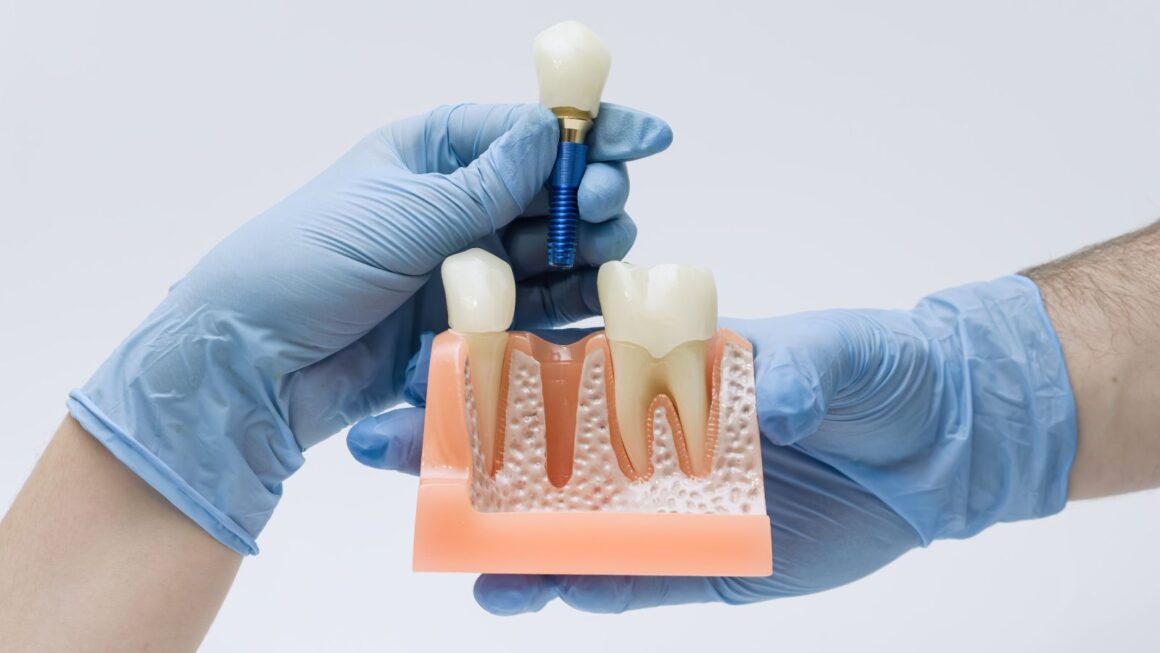
You can get functional teeth the same day in many cases, but that doesn’t mean same-day dental implants always match the long-term predictability of staged treatment.
Same-day implants can be safe and satisfying when your bone, gums, bite forces, and overall health fit the plan and an experienced team uses precise imaging and surgical guides.
Expect the article to explain how same-day treatment works, who typically qualifies, the trade-offs between speed and durability, and how to decide which pathway fits your situation. Follow along to learn practical signs that make same-day implants a reasonable choice and red flags that should steer you toward a more conservative approach, especially when working with an experienced dentist in honolulu.
Understanding Same-Day Dental Implants
Same-day dental implants let you leave the office with a functioning tooth on the day of surgery. They combine implant placement with an immediate temporary restoration, but success depends on your bone, bite, and overall oral health.
What Are Same-Day Dental Implants?
Same-day dental implants, also called immediate or immediate-load implants, involve placing a titanium implant into the jaw and attaching a temporary crown or bridge on the same appointment. The temporary restoration restores appearance and basic chewing function but is not the final prosthesis.
Candidates typically have adequate bone volume, low infection risk, and controlled bite forces. Your dentist evaluates bone density with CBCT scans and assesses gum health and adjacent teeth before recommending immediate loading. If you have significant bone loss, active periodontal disease, or heavy grinding, a staged approach is usually safer.
How the Procedure Works
The clinician begins with detailed imaging and treatment planning to map implant position relative to nerves and sinuses. During the visit, they extract any failing tooth (if needed), place the implant into prepared bone, and attach a healing abutment or a provisional crown.
Primary implant stability — measured as insertion torque or implant stability quotient (ISQ) — determines whether immediate restoration is safe. If stability meets thresholds, the provisional gets adjusted to minimize occlusal loading. You receive antibiotics, pain control instructions, and a soft-food diet for several weeks while osseointegration begins.
Comparing Same-Day to Traditional Implants
Same-day implants shorten visible treatment time and avoid a long edentulous interval. You gain immediate esthetics and function, which can improve confidence and social comfort.
Traditional implants separate placement and final restoration by several months to allow undisturbed bone healing. That staged approach can yield higher predictability in compromised bone, reduce failure risk for smokers or bruxers, and allow bone grafting when needed. Consider trade-offs: same-day saves time but requires stricter case selection and careful bite management; traditional methods offer flexibility when anatomy or health factors complicate immediate loading.
Key factors to weigh:
- Bone quality and volume (CBCT findings)
- Implant primary stability (insertion torque/ISQ)
- Presence of infection or periodontal disease
- Parafunctional habits (bruxism) and occlusion
- Need for bone grafting or sinus lift
Evaluating the Benefits and Risks
Same-day implants aim to restore function and appearance quickly while reducing the number of surgical visits and overall treatment time. They can shorten the path to a fixed-looking tooth but require careful planning, strict bite management, and favorable anatomy to succeed.
Key Advantages of Same-Day Implants
You get a provisional tooth the same day as implant placement, which restores appearance and basic chewing function immediately. That immediate restoration can reduce social and professional disruption—especially important for front-teeth replacements.
Treatment time often shrinks from months to weeks because you avoid a long edentulous period and multiple provisional stages. Digital planning, guided surgery, and prefabricated temporaries also improve precision and reduce chair time.
Fewer surgical visits can lower short-term costs like travel and time off work. In addition, maintaining alveolar bone and soft-tissue contours by placing an implant at the time of extraction can improve esthetic outcomes when conditions are favorable.
Potential Risks and Drawbacks
Immediate loading increases mechanical demands on the implant during the early healing phase, which can raise the risk of micromotion and failure if forces aren’t controlled. You must follow strict dietary and activity restrictions after the appointment.
Not all extraction sites have sufficient bone volume or quality for primary stability; grafting needs or compromised sockets may require staged approaches. Infection, poor soft-tissue healing, or improper implant position can lead to complications that require revising the plan.
Temporaries placed the same day are often acrylic and not as durable as final restorations; they may need adjustment or replacement. Costs can be higher if complex imaging, guides, or specialized components are required.
Candidacy and Suitability Factors
You must have adequate bone volume and density at the implant site to achieve primary stability; CBCT imaging usually confirms this. Healthy gums and absence of active infection at the extraction site are essential.
Systemic health matters: uncontrolled diabetes, heavy smoking, or certain medications (bisphosphonates, immunosuppressants) increase complication risk. Your bite pattern and parafunctional habits (bruxism) influence whether an immediate provisional can be safely loaded.
The location of the tooth matters—posterior sites face higher chewing forces and may be less suitable for same-day loading. Your clinician will evaluate local anatomy, occlusion, and esthetic demands to recommend immediate versus delayed protocols.
Success Rates and Long-Term Outcomes
Short-term success rates for well-selected same-day implants can approach those of conventional staged implants when protocols are followed. Studies show comparable survival at one to three years for properly planned immediate cases.
Long-term outcomes depend on case selection, surgical accuracy, and post-op behavior. Implants placed under suboptimal conditions show higher failure and complication rates over time, especially when primary stability or infection control was inadequate.
Maintenance and follow-up matter: timely conversion to final restorations, careful occlusal adjustment, and good oral hygiene improve longevity. Ask your dentist for their success statistics for same-day cases and for documentation of long-term follow-up.
Choosing the Right Approach
Decide based on your oral health, timeline, and tolerance for surgical risk. Consider bone quality, presence of infection, and whether you need immediate function or can wait for staged healing.
Questions to Ask Your Dentist
Ask about their specific experience with immediate-load implants: how many procedures they’ve done and documented success rates for cases like yours. Request CBCT imaging and a treatment plan that explains bone grafting, implant dimensions, and whether a temporary crown will be truly nonfunctional (esthetic only) or designed for chewing.
Clarify criteria they use to determine candidacy: minimum bone density, absence of active infection, controlled periodontal disease, and occlusion considerations. Ask about contingency plans if primary stability isn’t achieved—will they delay loading, place a healing abutment, or convert to a staged approach? Verify who will do the restorative work and whether the temporary prosthesis may stress the implant during early healing.
What to Expect During Recovery
Expect moderate swelling and soreness for 3–7 days; plan soft foods and avoid chewing on the implant side for at least 2 weeks. You may receive antibiotics and analgesics; follow the exact dosing schedule and take measures to control bleeding and swelling like ice for the first 24 hours.
Monitor for signs of complications: increasing pain after 72 hours, persistent fever, pus, or implant mobility require prompt contact with your dentist. Attend scheduled follow-ups at 1–2 weeks, 4–6 weeks, and at prosthetic completion so the clinician can verify osseointegration and adjust the restoration to avoid undue loading.
Cost Considerations and Insurance
Get a written estimate that breaks out diagnostics (CBCT, models), surgery (implant fixture, guided surgery fees), restorations (temporary and final crowns), and any grafting or sinus lift charges. Same-day workflows can raise lab and chair-time costs; compare line-item prices versus a staged plan to see where savings or added fees occur.
Confirm insurance coverage for extraction and implant work; many plans cover extractions but not the implant post or crown. Ask for payment options, medical-dental financing, and whether providers offer a bundled warranty for implant failure within a defined period. Keep documentation of all codes and receipts to submit to insurers or third-party financing if needed.