
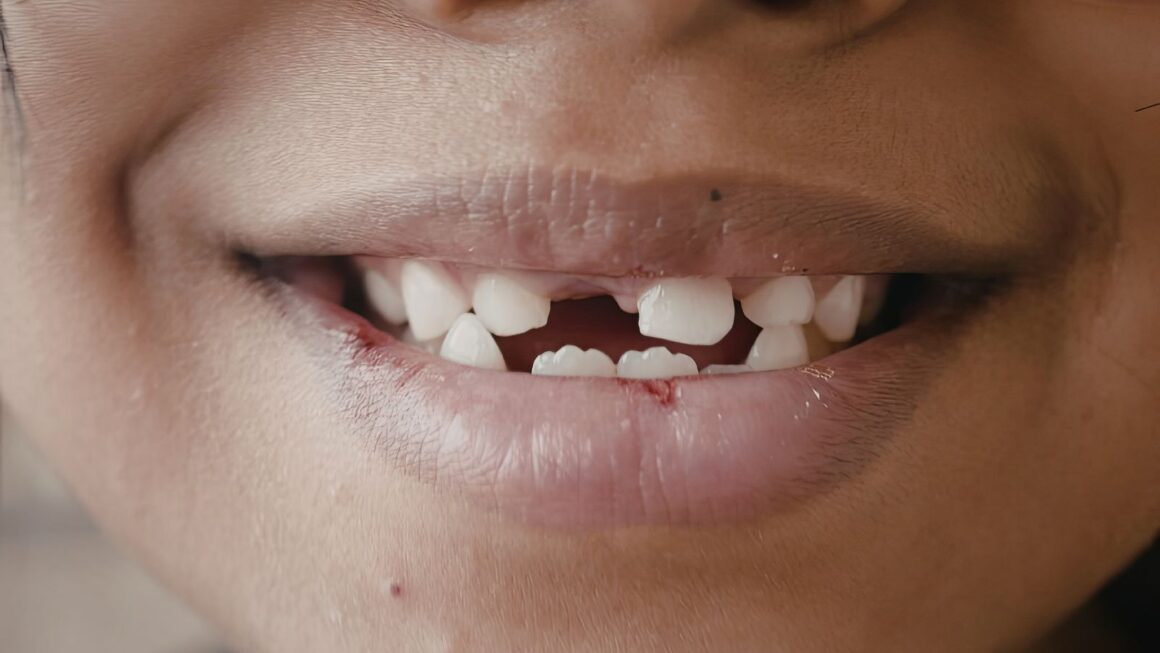
Losing a tooth doesn’t just leave a gap — it starts a biological chain reaction that shrinks the jawbone where the tooth once lived.
Your jaw depends on the stimulation from chewing to maintain bone; without a tooth, that stimulus fades and the bone remodels and resorbs, which can alter your bite, facial contour, and options for future replacement teeth.
Understanding this process helps you act faster to preserve bone and keep more treatment options open. The article will explain the biology behind bone loss after tooth loss, the consequences for oral health and appearance, and practical steps you can take now to prevent or manage bone deterioration, especially when working with an experienced dentist in anchorage.
Biological Process Behind Bone Loss After Tooth Loss
You lose mechanical stimulation and a direct structural link between tooth and bone when a tooth is removed. That lack of force and attachment triggers cellular processes that reduce bone volume and change its shape.
Role of Jawbone Stimulation
Your jawbone relies on mechanical forces from chewing and tooth function to maintain its mass. When a tooth is present, biting transmits load through the periodontal ligament into the alveolar bone, signaling bone-forming cells to stay active. After extraction, that routine load stops; the bone no longer receives the microstrain needed to maintain density.
Reduced stimulation shifts the balance toward bone resorption. Osteoclasts (bone-resorbing cells) increase activity while osteoblast (bone-forming) activity declines. You may notice ridge flattening and vertical loss of the alveolar process within months, which affects future denture fit and implant placement.
How Bone Remodeling Works
Bone remodeling is a continuous cycle of resorption and formation governed by cellular signals and mechanical input. Osteoclasts break down old bone, creating microscopic pits. Osteoblasts then lay down new bone matrix and mineralize it, restoring strength.
Mechanical signals, hormones, and local inflammatory mediators regulate this cycle. After tooth removal, decreased mechanical load reduces osteoblastic recruitment and increases signaling pathways that favor osteoclastogenesis. Cytokines such as RANKL and inflammatory markers can further accelerate resorption if infection or periodontal disease is present.
Connection Between Tooth Roots and Bone Density
Tooth roots maintain a close biological relationship with the surrounding alveolar bone through the periodontal ligament (PDL). The PDL transmits occlusal forces and provides vascular and cellular connections that support bone health. You lose those signals and the PDL-derived cells when the root is gone.
Without the root, nearby bone no longer remodels to conform to tooth position. The alveolar ridge remodels inward and downward; this change concentrates on the vertical height immediately adjacent to the extraction site. That localized density loss limits options for implants without grafting and can alter adjacent teeth’s support, shifting occlusion and increasing fracture risk for thin ridge areas.
Consequences of Tooth Loss-Induced Bone Deterioration
You will see changes in jaw shape, tooth position, and options for replacement if bone volume shrinks. These effects can alter chewing, speech, and the appearance of your lower face.
Impact on Facial Structure
When the jawbone loses height and width after a tooth is gone, the overlying soft tissues have less support. You may notice a collapsed bite, deeper nasolabial folds, or a shortened lower face height that makes the chin and nose appear closer.
Bone loss is progressive: significant resorption can occur within months and continues over years. That steady decline changes how dentures fit and how your smile looks, and it can make your profile appear older.
What you can expect to see: smaller jaw contours, increased wrinkling around the mouth, and a tendency for cheeks to look hollow. These are direct mechanical consequences of reduced bone volume beneath the skin.
Effect on Remaining Teeth
Adjacent teeth rely on the integrity of the jaw for stability. After a tooth is lost, neighboring teeth can drift into the empty space and tilt, which changes your bite and creates new areas that trap food.
Shifting teeth increase the risk of uneven wear, gum recession, and localized periodontal pockets. Those changes raise your risk of further tooth loss and can complicate basic hygiene, making flossing and cleaning interdental spaces harder.
You may also develop occlusal overload—excessive force on certain teeth—leading to fractures or mobility. Early orthodontic or prosthetic intervention can limit these mechanical consequences.
Challenges for Dental Implants
Dental implants require sufficient bone volume and density for primary stability and long-term success. If the ridge has resorbed vertically or horizontally, you risk implant failure or improper implant positioning.
You might need preparatory procedures such as bone grafting, ridge augmentation, or sinus lifts to recreate the necessary bone. These add time, cost, and surgical complexity to the implant process.
Assessments your dentist will use include cone-beam CT scans to measure bone height and width, and clinical evaluation of soft tissue. Without adequate bone, implant-supported prostheses may not integrate correctly or may require alternative solutions like fixed bridges or removable overdentures.
Prevention and Management Strategies
Address bone loss by replacing missing teeth quickly, reconstructing lost bone when needed, and keeping routine dental visits to catch problems early. These actions preserve jaw shape, support chewing, and expand prosthetic options.
Prompt Tooth Replacement Options
Replace an extracted tooth within weeks to months to limit bone resorption at the socket. Dental implants place a titanium or zirconia post into the jaw to transmit chewing forces and stimulate bone; they require adequate bone volume or prior grafting. Fixed bridges can restore function without surgery but require preparing adjacent teeth and do not prevent bone loss under the pontic. Removable partial dentures restore appearance and chewing but provide minimal bone stimulation and can accelerate local bone changes if ill-fitting.
When deciding, consider:
- Bone volume at the site (low volume favors grafting before implants).
- Timeline and medical history (smoking, uncontrolled diabetes slow healing).
- Budget and long-term goals (implants have higher upfront cost but better bone preservation).
Bone Grafting Techniques
Grafting rebuilds ridge height and width to support implants or improve prosthetic fit. Common graft sources include autograft (your own bone), allograft (donor human bone), xenograft (animal-derived), and synthetic materials (calcium phosphate, hydroxyapatite). Autografts integrate fastest but require a secondary harvest site.
Techniques vary by defect:
- Socket preservation places graft material at extraction to limit early resorption.
- Ridge augmentation uses block grafts or particulate grafts with membranes to increase volume.
- Sinus lifts elevate the maxillary sinus floor and add graft beneath for upper back teeth implants.
Expect healing of several months before implant placement; your clinician will choose material and timing based on defect size, infection risk, and systemic factors.
Role of Regular Dental Checkups
See your dentist every 3–6 months based on your risk profile to monitor bone levels with clinical exams and periodic radiographs. X-rays (periapical, bitewing, or CBCT when indicated) track bone height and detect early changes before symptoms develop.
Your dentist will assess gum health, occlusion, and prosthetic fit—each affects bone stress and resorption. Professional cleanings reduce inflammation that accelerates bone loss. If imaging shows bone decline, your provider will outline targeted steps: hygiene intensification, periodontal therapy, grafting, or referral for implant placement.