
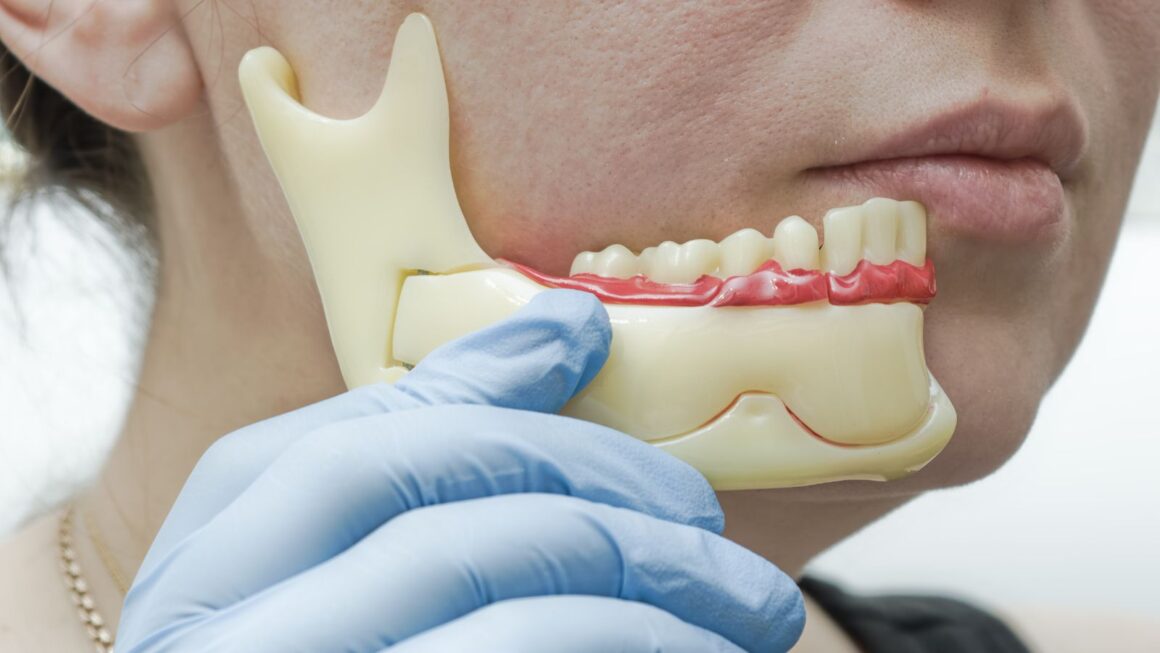
Losing a tooth doesn’t just leave a gap — it removes the stimulus your jawbone needs to stay strong. Getting a tooth implant in Hutto TX means choosing a solution that acts like a natural tooth root, transmitting chewing forces into the bone and triggering the biological signals that build and preserve bone tissue.
You’ll learn how implants create that direct bone-implant link, why that link matters for long-term jaw health, the biological mechanisms behind bone stimulation, and why bridges or dentures can’t replicate those effects. This will help you weigh options and understand what to expect if you’re considering tooth replacement.
How Dental Implants Support Jawbone Health
Dental implants replace missing tooth roots and deliver mechanical stimulation to the jawbone. That stimulation, plus a biological fusion between titanium and bone, helps preserve bone volume, maintain tooth alignment, and support facial contours.
Bone Integration After Implant Placement
After your dentist places an implant, your body begins a controlled healing response. Bone cells (osteoblasts) migrate to the implant surface and lay down new mineralized matrix. This process is most active in the first few months and continues at a slower rate afterward.
You will hear this called integration: the implant becomes anchored not by scar tissue but by living bone. Proper implant design, precise placement, and good initial stability all increase the likelihood of rapid, solid bone formation. Smoking, uncontrolled diabetes, and poor oral hygiene can slow or prevent full integration.
Post-surgical load management matters. Allowing the implant to heal before applying full chewing forces helps the new bone mature. In many cases, clinicians can load implants sooner with the right conditions, but that decision depends on bone quality and implant stability measurements.
Role of Osseointegration in Bone Preservation
Osseointegration refers to the direct structural and functional connection between living bone and the implant surface. When osseointegration occurs, the implant transmits normal chewing forces into the jaw, stimulating bone remodeling.
Without that root-like stimulus, bone undergoes resorption: a measurable loss in height and width that can begin within months after tooth loss. By contrast, an osseointegrated implant maintains mechanical signals that encourage ongoing bone turnover and density maintenance.
Clinical factors that improve osseointegration include roughened implant surfaces, appropriate implant diameter and length, and atraumatic surgical technique. Good systemic health and controlled bite forces after placement further promote long-term bone preservation around the implant.
Benefits of Maintaining Bone Density
Maintaining bone density around an implant preserves adjacent tooth support and prevents shifting of neighboring teeth. That stability reduces the need for future orthodontic or restorative procedures caused by drifting or tilting.
You also gain improved prosthetic outcomes. Adequate bone volume lets clinicians place implants in ideal positions, avoiding complex bone grafting and shortening treatment time. Functionally, better bone density supports stronger bite forces and more efficient chewing.
Aesthetically, preserved bone helps retain natural facial contours and lip support. This reduces the likelihood of facial collapse and the need for later reconstructive surgeries to restore form and function.
Mechanisms of Bone Growth Stimulation
Dental implants interact with bone through physical contact, biological signaling, and changes to mechanical loading. These interactions drive bone formation, remodeling, and long-term maintenance around the implant surface.
Natural Tooth Roots Versus Dental Implants
Natural tooth roots connect to bone via the periodontal ligament (PDL), a soft-tissue interface that transmits controlled mechanical forces and supplies vascular and cellular signals. The PDL contains fibroblasts, blood vessels, and nerve endings that modulate bone turnover through mechanotransduction and release of growth factors like PDGF and TGF-β. You retain proprioception and fine force feedback with natural teeth because of this ligament.
Dental implants lack a PDL and instead rely on direct bone-to-implant contact called osseointegration. Osteoblasts and osteocytes colonize the implant surface and deposit mineralized matrix. Surface topography and chemistry—microroughness, titanium oxide layers, or coating with bioactive molecules—encourage osteogenic cell attachment and faster bone apposition. You should expect a stiffer load transfer with implants, which changes remodeling patterns compared with natural roots.
Mechanical Stimulation of Bone Tissue
Bone responds to strain. When you chew, implants transmit compressive and shear loads directly to peri-implant bone. That mechanical stimulus activates osteocytes, which regulate osteoblast and osteoclast activity through signaling molecules (e.g., sclerostin, RANKL). Controlled loading within physiological ranges promotes bone formation and increases bone density around the implant.
Immediate loading protocols apply functional forces sooner to stimulate adaptation, while excessive or uneven loads can cause microdamage and bone loss. Implant design—diameter, length, thread geometry—and prosthetic factors—occlusal scheme and cantilever length—determine force distribution. You maximize positive remodeling by optimizing implant position and prosthetic design to produce stable, evenly distributed loads.
Impact on Surrounding Oral Structures
Implants change soft-tissue architecture and alveolar bone dynamics. By preserving jawbone height through mechanical stimulation, implants help maintain facial contours and vertical dimension. The gingival tissues adapt to implant abutments; proper emergence profile and soft-tissue management encourage a stable mucosal seal that limits bacterial ingress and protects underlying bone.
Adjacent teeth and periodontal structures experience altered load sharing. You may see reduced resorption at the implant site compared with a healed extraction site without an implant, but implants do not fully replicate the sensory-driven remodeling provided by a tooth-PDL complex. Surgical techniques (socket preservation, grafting) and adjuncts (growth factors, bone grafts) can augment bone volume and improve the biological environment for osseointegration.
Limitations of Other Tooth Replacement Options
You should understand how non-implant options affect the jawbone, what mechanical support they provide, and how they compare on long-term bone health. The differences matter for chewing function, facial structure, and future treatment options.
Dentures and Bone Resorption
Removable dentures sit on the gum surface and do not replace the tooth root that normally stimulates the underlying bone. Without that root-like stimulus, the alveolar bone undergoes continuous resorption, which typically leads to gradual ridge flattening and loss of vertical height.
You’ll notice fit changes over months to years as bone shrinks. Loose dentures increase soft-tissue irritation and reduce chewing efficiency, which can cause you to favor one side and further unevenly load the jaw. Partial dentures transfer some force to neighboring teeth and gums, but they still fail to recreate the localized pressure distribution that preserves bone.
Key practical points:
- Expect periodic relines or replacements as the ridge changes.
- Eating certain foods may become difficult over time.
- Bone loss can complicate later implant placement and may require grafting.
Dental Bridges and Jawbone Support
A fixed dental bridge replaces a missing crown portion but depends on adjacent teeth for support instead of engaging the jawbone directly. The pontic (false tooth) rests on the ridge or is suspended, so it doesn’t transmit physiological loading into the underlying bone.
You retain chewing function better than with many dentures, but the lack of root replacement means the crest of bone beneath the pontic still resorbs slowly. Additionally, preparing abutment teeth for crowns sacrifices healthy tooth structure and can increase risk of decay or root canal needs in those supporting teeth.
Important implications:
- Bridges preserve tooth alignment but not bone height under the pontic.
- Abutment tooth failure can compromise the entire restoration.
- Future implant options may be limited if adjacent teeth are heavily altered.
Longevity and Bone Health Outcomes
You should weigh expected lifespan and downstream bone consequences when comparing options. Removable dentures often require significant maintenance and replacement every 5–10 years, with progressive bone loss accelerating prosthetic instability. Fixed bridges can last longer—commonly 7–15 years—but still allow gradual alveolar remodeling beneath the replacement tooth.
Clinical outcomes that affect your planning:
- Progressive bone loss increases need for relines, remakes, or grafts for future implants.
- Prosthetic failure modes differ: soft-tissue collapse with dentures versus abutment failure with bridges.
- Long-term oral health often depends on how early you address bone preservation; delaying implant therapy can increase complexity and cost.