
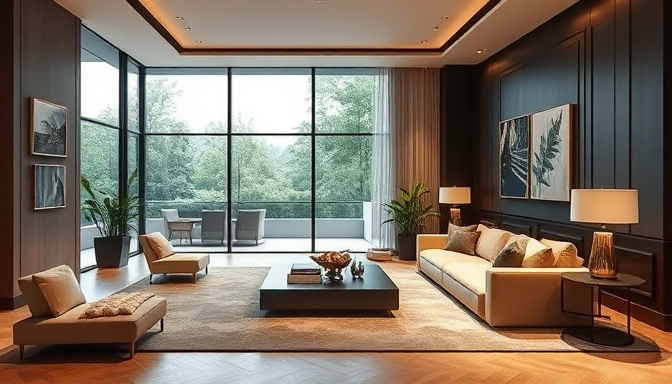
Luxury isn't just about spending more. It's about making better decisions. The right materials, the right light, the right proportions, used consistently across every room. When it all comes together, it feels effortless. When it doesn't, even the most expensive furniture in the world won't save it.
If you are looking for an interior designer in Austin, Texas, here are five aspects that define genuinely luxurious interior design.
1. Whole-Home Cohesion
A luxury interior doesn't treat each room as a separate project. Every space connects to the next through a consistent design language, whether that's a recurring material, a color palette, or a shared sense of proportion.
This doesn't mean everything matches. It means everything relates. A kitchen might use brushed brass hardware that echoes the light fixtures in the hallway. A bedroom might pick up the same warm undertone as the living room walls. These threads, subtle as they are, make a home feel intentional rather than assembled.
The result: You move through the space and it feels like one cohesive environment, not a collection of Pinterest boards stitched together.
2. Material Quality and Authenticity
In luxury design, materials do the talking. Natural stone, solid wood, hand-applied plaster, and woven textiles carry a depth and texture that synthetic alternatives simply can't replicate.
What separates a high-end interior is not just the material itself, but how it's used. A slab of book-matched marble as a fireplace surround. Limewash plaster on a feature wall. Wide-plank white oak underfoot. These choices bring tactile richness that photographs well and feels even better in person.
Please Note: Authentic materials also age better. They develop character over time rather than degrading, which makes them a smarter long-term investment.
3. Considered Spatial Planning
Luxury is as much about what's not there as what is. Overcrowded rooms, awkward traffic flow, and furniture that's the wrong scale for the space are the fastest ways to undermine an otherwise well-appointed interior.
Good spatial planning accounts for:
- Proportions between furniture, architecture, and negative space
- Flow through rooms and between zones
- Function without sacrificing form
- Sightlines when you enter a room or look from one space into another
A well-planned room feels generous, even if it's not particularly large. That's the difference skilled space planning makes.
4. Layered, Purposeful Lighting
Lighting is one of the most underestimated tools in interior design. Most rooms rely on a single overhead source, which flattens everything. Luxury interiors use lighting in layers.
A well-lit room typically combines:
- Ambient lighting for overall illumination
- Task lighting for functional areas like desks, kitchen counters, and reading nooks
- Accent lighting to highlight architecture, art, or materials
- Decorative lighting as a design feature in its own right
The goal is control. Being able to shift the mood of a room from bright and functional to warm and atmospheric is a quiet luxury that changes how a space feels day to night. Whether you are looking for an office interior design company or a residential designer, you should always consider lighting for your project.
5. Custom and Bespoke Details
Off-the-shelf furniture and accessories have their place, but truly luxury interiors include elements made specifically for the space. Built-in joinery, custom upholstery, bespoke window treatments, and one-of-a-kind art pieces add a level of refinement that you can't buy from a catalog.
These details are what give a home its personality. They're also what guests notice, even if they can't immediately say why.
Did You Know? Custom pieces often cost less than you'd expect when they replace multiple off-the-shelf items that don't quite fit the space or the brief.
Bringing It All Together
Each of these five elements works on its own, but the real power comes when they're applied together with intention. Cohesion, quality materials, smart spatial planning, layered lighting, and bespoke details are not independent checkboxes. They're interconnected principles that reinforce each other.
That's what a skilled designer does: hold all of these considerations at once and make them work as a whole.