

You may avoid fear and get the dental care you need by using sedation dentistry, a safe way to stay calm and comfortable during simple cleanings or complex procedures. Sedation lets you relax while dentists work, reducing anxiety and helping you complete treatments you might otherwise skip.
This article explains what sedation dentistry is, how it improves comfort, how providers keep it safe, and how to choose the right option for your health and needs. Keep reading to learn which methods fit you and what to expect before, during, and after treatment.
What Is Sedation Dentistry?
Sedation dentistry uses medicines to help you stay calm and comfortable during dental care. It controls anxiety and helps you tolerate longer or more complex procedures while keeping you safe and responsive.
Definition and Purpose
Sedation dentistry in Minot, ND means giving you medications that reduce anxiety and make procedures easier to tolerate. You stay awake with light sedation or drowsy with deeper sedation, but you usually can respond to questions or commands. Dentists pair sedation with local numbing to control pain and monitor your breathing, heart rate, and blood pressure throughout treatment.
The main goals are to ease fear, reduce gag reflexes, and let dentists perform longer treatments in fewer visits. It also helps if you have a low pain tolerance, strong reflexes, or special medical or behavioral needs. Your dentist evaluates your health and reviews medications before recommending a sedation plan.
Types of Dental Sedation
Nitrous oxide (laughing gas) gives quick, mild relaxation and wears off fast. You breathe it through a mask and can drive home after a short recovery in many cases. Oral sedatives come as pills taken before your visit; they work more slowly and can leave you drowsy for hours. Arrange a ride home if you choose oral sedation.
IV sedation is delivered into a vein for faster, stronger effects and tighter control of sedation depth. It’s common for longer surgeries or severe anxiety. Local anesthesia still numbs the treated area. In rare cases, general anesthesia makes you fully unconscious; a specialist usually manages it in a hospital or surgical center.
Who Can Benefit From Sedation Dentistry
You benefit if dental fear keeps you from care, if you need many or long procedures in one visit, or if you have a low pain tolerance. Sedation also suits people with a sensitive gag reflex, dental phobia, or special needs that make it hard to sit still. Children may use light sedation for certain procedures, under careful medical review.
You may not be a good candidate if you have uncontrolled medical conditions, certain allergies, or if you take medicines that interact with sedatives. Your dentist will review your medical history, current medications, and vital signs to choose the safest option for your case.
How Sedation Dentistry Improves Patient Comfort
Sedation dentistry helps you stay calm, feel little or no pain, and avoid strong gag reflexes during treatment. It uses specific drugs and monitoring to match your needs and the planned procedure.
Reducing Anxiety and Fear
Sedation lowers the stress response so you feel calmer before and during treatment. Nitrous oxide (laughing gas) works within minutes and lets you stay awake but relaxed. You inhale it through a mask and breathe normally; effects wear off quickly after the mask is removed.
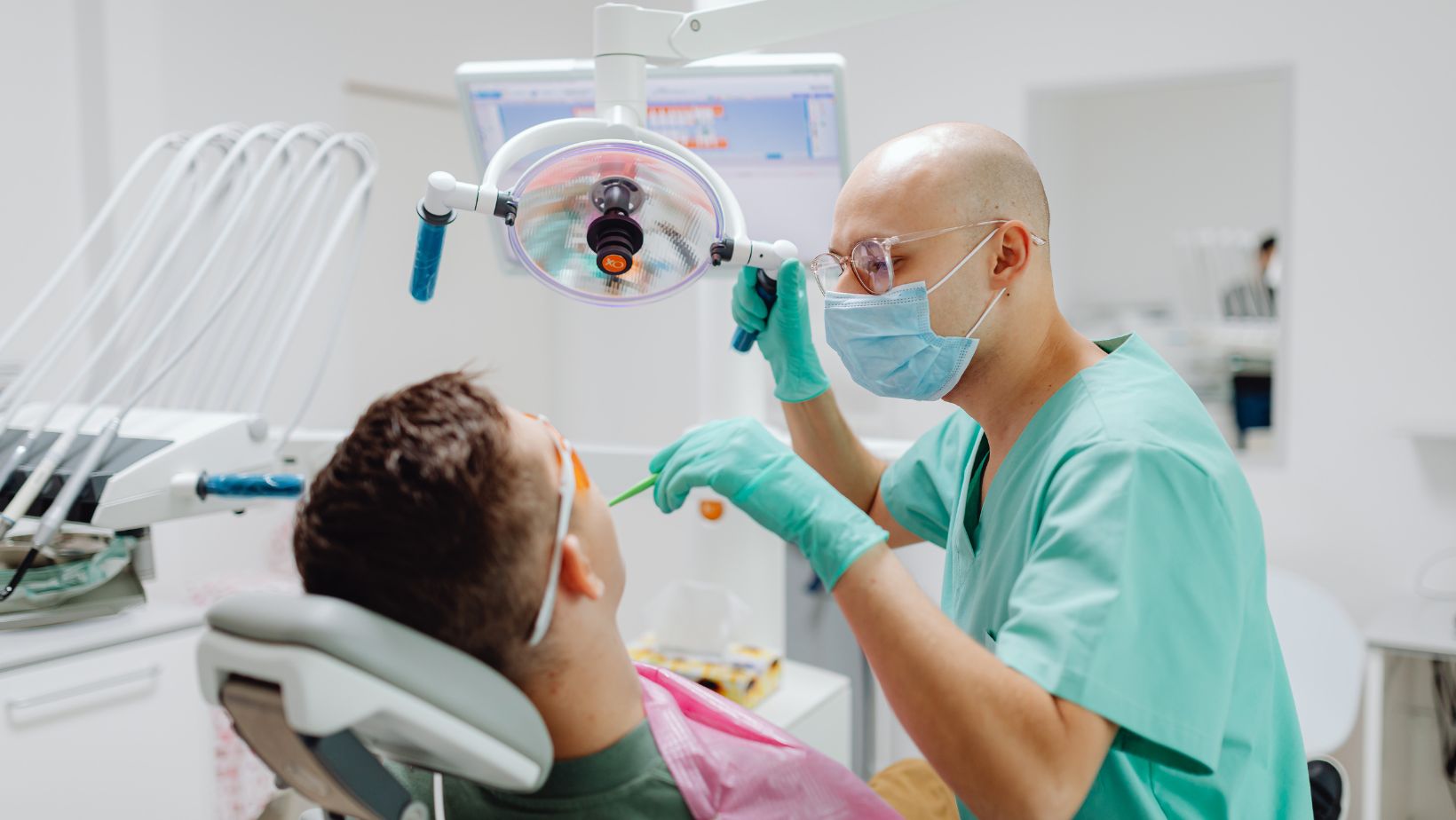
Oral sedatives are pills taken before your appointment. They produce deeper relaxation and cause drowsiness so you may not remember much of the visit. IV sedation gives faster, adjustable control for complex procedures and is often used when you need a higher level of comfort.
Dentists check your health history, medications, and breathing to pick the safest option. Monitoring devices track your oxygen, heart rate, and blood pressure the whole time. That reduces risk and lets you focus on getting care rather than worrying.
Pain Management Techniques
Sedation pairs with local anesthesia so you feel no pain where the dentist works. The dentist numbs specific teeth or gums with injections or topical gels before starting. Sedation keeps your muscles relaxed so injections and drilling cause less discomfort.
For more invasive treatments, dentists may use stronger local blocks that numb entire regions of your mouth. IV sedation can reduce pain perception and make recovery less traumatic. Your dentist will explain which combination (nitrous, oral, IV plus local) fits the procedure and your medical history.
Tell your dentist about allergies, current medicines, and past reactions to anesthetics. That helps avoid interactions and ensures the chosen drugs control pain effectively while keeping you safe.
Managing Sensitive Gag Reflexes
A strong gag reflex can stop treatment and increase anxiety. Sedation lowers the reflex by calming your nervous system and reducing sensitivity in the throat and mouth. Nitrous oxide and oral sedatives commonly suppress gagging enough for routine cleanings and fillings.
For highly sensitive patients or longer procedures, IV sedation offers deeper control so the dentist can work without repeated interruptions. Topical anesthetics can numb the back of the tongue and throat to help during impressions or suctioning.
Dentists also use positioning, distraction, and slower instrument movements alongside sedation to reduce gagging. Before treatment, discuss past gag problems and what triggered them so the team can plan the right sedation level and extra steps for your comfort.
Safety and Process of Sedation in Dental Care
Sedation options range from mild to deep and include steps to check your health, watch you during treatment, and guide you while you recover. You will learn which methods clinics use, how they decide if you qualify, and what monitoring and aftercare to expect.
Sedation Methods Used in Clinics
Clinics commonly use three main types of sedation: nitrous oxide, oral sedation, and IV sedation.
- Nitrous oxide (laughing gas): You breathe it through a mask. It works fast and wears off quickly so you can usually leave soon after.
- Oral sedation: A pill or liquid taken before the visit. It ranges from mild drowsiness to deeper relaxation for longer procedures. You will need someone to drive you home.
- IV sedation: Given through a vein for stronger, controllable sedation. It acts quickly and is used for complex or lengthy treatments.
Dentists choose the level based on the procedure, your anxiety, and medical history. They also consider allergies, current medicines, and conditions like sleep apnea. Ask about the drug names, expected effects, and who will monitor you.
Eligibility and Patient Assessment
Before sedation, the clinic reviews your medical history and current medications. Expect questions about heart disease, lung problems, pregnancy, and prior reactions to anesthesia.
The staff may check vitals like blood pressure and oxygen levels. For IV sedation, clinics often require fasting for several hours beforehand. They might also request a primary care clearance for serious health issues.
Children, older adults, and people with complex health needs get extra screening. Full disclosure of supplements, alcohol use, and smoking matters because these affect drug safety. If you take blood thinners or sedative medicines already, the dentist will plan adjustments.
Monitoring and Aftercare
Clinics continuously monitor your breathing, oxygen, heart rate, and blood pressure during sedation. Trained staff use pulse oximetry and sometimes ECG or capnography for deeper sedation. This helps detect problems early.
Recovery time varies: nitrous oxide clears in minutes, oral sedation may take several hours, and IV sedation often needs longer observation. You will not be released until staff confirm stable vitals and alertness.
Aftercare instructions include avoiding driving, alcohol, and important decisions for 24 hours if you had oral or IV sedation. Follow written care steps: rest, hydrate, and take only approved medicines. Call the clinic immediately for trouble breathing, severe dizziness, chest pain, or prolonged confusion.
Choosing the Right Sedation Dentistry Option
You should pick a sedation method that fits your medical needs, anxiety level, and the length or complexity of the procedure. Consider how each option affects breathing, recovery time, and whether you need someone to drive you home.
Factors to Consider When Selecting Sedation
Look at your medical history first. Tell your dentist about allergies, heart or lung conditions, sleep apnea, pregnancy, and all medicines or supplements you take. These details affect which sedatives are safe.
Match the sedation to the procedure. Nitrous oxide works well for short, simple treatments and allows quick recovery. Oral sedatives help with moderate anxiety and longer visits. IV sedation suits complex or multiple procedures where deeper relaxation is needed.
Think about how fast you need to recover. Nitrous leaves your system quickly. Oral and IV sedation often require a longer recovery and a responsible adult to drive you home. Also check that the clinic uses proper monitoring like oxygen and blood pressure checks.
Questions to Ask Your Dentist
Ask which sedation options you qualify for and why a specific method is recommended. Request details on risks, side effects, and how they monitor you during the procedure.
Confirm who will administer the sedative. Ask if the dentist, an anesthesiologist, or a trained staff member will manage it. This matters for safety and for billing.
Find out about fasting rules, medication adjustments, and post-op recovery time. Ask if you must bring a driver and what activities to avoid for 24 hours. Also ask about costs and whether your insurance covers part of the sedation.
Preparing for a Sedation Dental Appointment
Follow fasting and medication instructions exactly. Your dentist will tell you when to stop eating, drinking, or taking certain drugs before the appointment. This reduces risk of nausea or aspiration.
Arrange a ride and plan rest time after the visit. Do not drive, operate machinery, or sign legal documents for at least 24 hours if you used oral or IV sedation. Bring a list of current medications and a phone number for your emergency contact.
Wear loose, comfortable clothing and skip makeup, contact lenses, and jewelry. Arrive early to complete paperwork and discuss last-minute questions. This helps the team prepare and keeps the visit calm and efficient.